

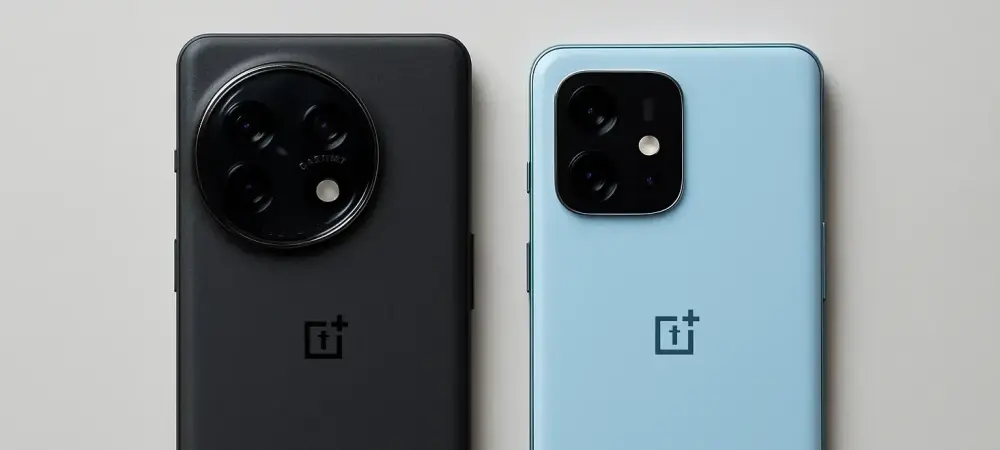
In the fast-paced world of smartphone technology, staying ahead of the curve often means anticipating the next big release while still appreciating the power of current flagships, and imagining a device that could redefine mobile photography or push processing speeds to unprecedented levels. Such is the promise surrounding the latest offerings from OnePlus. This comparison delves into the OnePlus 13, a flagship that has already made its mark, and the much-anticipated OnePlus 15, which is generating significant buzz with its rumored advancements. By examining these two devices side by side, a clearer picture emerges of how OnePlus continues to innovate and what consumers can expect from its evolving lineup.
Introduction to OnePlus 15 and OnePlus 13
The OnePlus 13, launched in October of last year, stands as a benchmark for premium smartphones with its robust feature set. Equipped with top-tier hardware and a refined design, it has garnered attention for its balance of performance and style, catering to tech enthusiasts and everyday users alike. Its position as a flagship reflects OnePlus’s commitment to delivering high-quality devices that compete with industry giants.
In contrast, the OnePlus 15 emerges as the anticipated successor, with an expected release later this year stirring excitement among fans and analysts. Rumors and leaks have painted a picture of a device poised to push boundaries, particularly in areas like imaging and processing power. The speculation surrounding its specs suggests a significant leap forward, building on the foundation laid by its predecessor.
Comparing these two models offers valuable insight into the trajectory of OnePlus as a brand. It highlights how quickly technology evolves within a single product cycle and showcases the company’s strategy to stay competitive in a crowded market. This analysis aims to unpack the advancements and potential shifts in focus that could define the next chapter for OnePlus smartphones.
Key Feature Comparison
Camera Technology and Imaging Capabilities
The OnePlus 13 boasts a sophisticated Hasselblad-branded 50-megapixel triple camera system, a hallmark of its imaging prowess. This setup includes an ultrawide lens and a periscope telephoto sensor, delivering versatility for various photography scenarios. The collaboration with Hasselblad ensures color accuracy and detail that have been well-received by users seeking professional-grade results.
On the other hand, leaks suggest the OnePlus 15 will feature a comparable 50-megapixel triple rear camera system, but with a notable twist. Its periscope telephoto lens is rumored to offer a 3x optical zoom with an f/2.8 aperture and an 85mm equivalent focal length, potentially refining zoom capabilities. This configuration hints at a focus on precision and clarity in zoomed shots, setting a new standard for the lineup.
A striking difference lies in the shift toward proprietary technology with the OnePlus 15. CEO Pete Lau has teased the introduction of the DetailMax Engine, a homegrown imaging system expected to debut with this model, possibly replacing the long-standing Hasselblad partnership. Early statements indicate optimism about enhanced photo quality, which could redefine how OnePlus approaches mobile photography compared to the established tuning in the OnePlus 13.
Processing Power and Performance
Under the hood, the OnePlus 13 is powered by the Snapdragon 8 Elite SoC, a chipset that delivers exceptional speed and efficiency for demanding tasks. This processor ensures seamless multitasking, gaming, and app performance, positioning the device as a powerhouse in its category. Its capabilities reflect OnePlus’s dedication to integrating cutting-edge hardware at the time of release.
Speculation around the OnePlus 15 points to an upgrade with the rumored Snapdragon 8 Elite 2 chip, an advancement that could further elevate performance benchmarks. If confirmed, this chipset would likely offer improved energy efficiency and faster processing speeds, catering to users who prioritize future-proof technology. Such a move underscores the brand’s intent to stay at the forefront of innovation with each new release.
This contrast in processing power illustrates a consistent pattern of incremental yet impactful upgrades within the OnePlus portfolio. The anticipated leap from the Snapdragon 8 Elite to its successor in the OnePlus 15 suggests a deliberate effort to cater to tech-savvy consumers who demand the latest in hardware advancements. This focus ensures that each flagship remains relevant amid rapidly evolving industry standards.
Additional Features and Design
Beyond core specs, the OnePlus 13 offers a polished design with practical features that enhance user experience. Its build quality, display, and battery life are tailored for durability and convenience, aligning with the expectations of a premium device. These elements collectively create a well-rounded package for current users.
Rumors surrounding the OnePlus 15 hint at enhancements like support for 120W fast charging, which could significantly reduce downtime for users on the go. Additionally, leaks mention potential new color options, suggesting a refreshed aesthetic appeal that might differentiate it from the OnePlus 13. While specifics remain unconfirmed, these updates point toward a focus on both functionality and style.
Design philosophy and user-centric features may also see subtle shifts with the OnePlus 15. Speculation about ergonomic improvements or material choices could indicate an evolution in how OnePlus balances form and function. Comparing these aspects with the established design of the OnePlus 13 reveals how the brand might adapt to changing consumer preferences while maintaining its signature identity.
Challenges and Considerations
Transitioning to the OnePlus 15 comes with inherent uncertainties due to its status as an unreleased device. Leaks and rumors, while exciting, carry the risk of inaccuracy, leaving potential buyers to weigh unconfirmed information against concrete data. This speculation could shape expectations in ways that the final product might not fully meet.
Another concern with the OnePlus 15 is the departure from the Hasselblad partnership in favor of the proprietary DetailMax Engine. While the promise of improved imaging is enticing, moving away from a proven collaboration introduces a degree of risk regarding consistency and user reception. The success of this shift will depend heavily on how well the new technology performs in real-world scenarios compared to the tuned cameras of the OnePlus 13.
Meanwhile, the OnePlus 13, though a strong contender, may lack the cutting-edge appeal of newer tech expected in its successor. Areas such as processing speed or charging capabilities could feel dated once the OnePlus 15 arrives, especially in a market driven by rapid innovation. Broader consumer expectations and competition from rival brands also pose challenges, as both devices must stand out amid fierce industry rivalry.
Conclusion and Recommendation
Reflecting on the detailed comparison, it becomes evident that the OnePlus 13 has carved a strong niche with its Hasselblad-enhanced camera system and reliable Snapdragon 8 Elite performance. In contrast, the rumored advancements of the OnePlus 15, particularly with its DetailMax Engine and potential Snapdragon 8 Elite 2 chip, position it as a forward-looking option for tech enthusiasts. The differences in design and additional features further highlight how each device caters to distinct user needs over time.
For those considering a purchase, a practical next step would be to assess immediate requirements against the allure of waiting for innovation. If proven performance and a polished experience are priorities, the OnePlus 13 stands as a dependable choice that delivers without delay. However, for users eager to embrace the latest in camera technology and processing power, holding off for the OnePlus 15’s release offers a chance to experience OnePlus’s evolving vision firsthand.
Looking ahead, staying informed about official announcements regarding the OnePlus 15 will be crucial to making a final decision. Monitoring real-world reviews and performance benchmarks after its launch could provide clarity on whether the speculated features translate into tangible benefits. This approach ensures that consumers align their choices with both current needs and the exciting possibilities that lie on the horizon.