

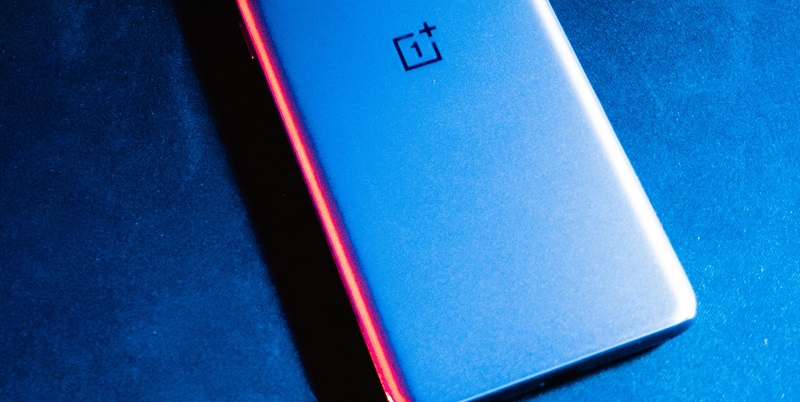
The competition in the smartphone market today is fierce, and brands constantly innovate to capture the consumer’s attention. OnePlus, a brand renowned for its high-quality smartphones with a cost-effective edge, is putting this strategy into motion once again with the introduction of a new colour variant for its OnePlus 12R model. Initially presented as an affordable alternative to the OnePlus 12, the OnePlus 12R has managed to draw considerable interest thanks to its robust set of features, including a 120Hz LTPO4 AMOLED display, a Snapdragon 8 Gen 2 processor, and a 5,500mAh battery that supports 100W fast charging.
Priced at $500, the OnePlus 12R was first released in two color options: Iron Gray and Cool Blue. The company later expanded its color palette by including a Genshin Impact Edition in purple, catering to fans of the popular game. A new development has now emerged, with OnePlus teasing yet another color variant—the Sunset Dune—exclusively for the Indian market. This announcement came through a post on X by OnePlus India, where they provided a sneak peek at the device’s camera housing adorned in the new hue, creating anticipation and buzz among fans and potential buyers.
Regional Exclusivity and Market Strategy
Unlike previous variants, the Sunset Dune option seems to be an India-exclusive release, a strategy that echoes similar releases like the Genshin Impact Edition. The decision to restrict this striking color to the Indian market aligns with OnePlus’s larger strategy of using regional exclusivity to drive consumer interest and maintain their market share. This tactic not only enhances the brand’s appeal by offering unique, locally tailored options but also helps in segmenting the market effectively.
The teaser image posted by OnePlus India indicates strong similarities between the Sunset Dune variant and the China-exclusive OnePlus Ace 3, notably in its sophisticated, warm color scheme that reflects a desert sunset. While the specific release date for the Sunset Dune version has not been officially confirmed, it is widely anticipated that OnePlus may launch this new variant during its upcoming event on July 16. This event is expected to be a significant occasion for OnePlus as it will likely showcase multiple new products and updates, adding further reason for excitement among the tech community.
The Importance of Aesthetic Customization
OnePlus’s meticulous focus on aesthetic customization through exclusive color variants illustrates their commitment to catering to varied consumer tastes and preferences. In a market crowded with similar-looking smartphones, a unique color option can significantly enhance a product’s appeal. The new Sunset Dune color not only adds a touch of elegance but also symbolizes a shift towards more luxurious and personalized options within the mid-range segment.
The color strategy employed by OnePlus is more than just a cosmetic upgrade; it serves as a critical component of their overall marketing tactics. By offering exclusive variants, the company manages to generate buzz and maintain consumer interest long after the initial product launch. Furthermore, regional exclusivity ensures that local markets receive products that resonate more closely with cultural and aesthetic sensibilities, making the offering more attractive and relatable.
The smartphone market today is highly competitive, with brands continually innovating to grab consumer attention. OnePlus, famous for its high-quality yet affordable smartphones, is reinforcing this strategy by introducing a new color variant for its OnePlus 12R model. Initially launched as a budget-friendly alternative to the OnePlus 12, the OnePlus 12R has gained significant interest due to its impressive features. These include a 120Hz LTPO4 AMOLED display, a Snapdragon 8 Gen 2 processor, and a 5,500mAh battery that supports 100W fast charging.