

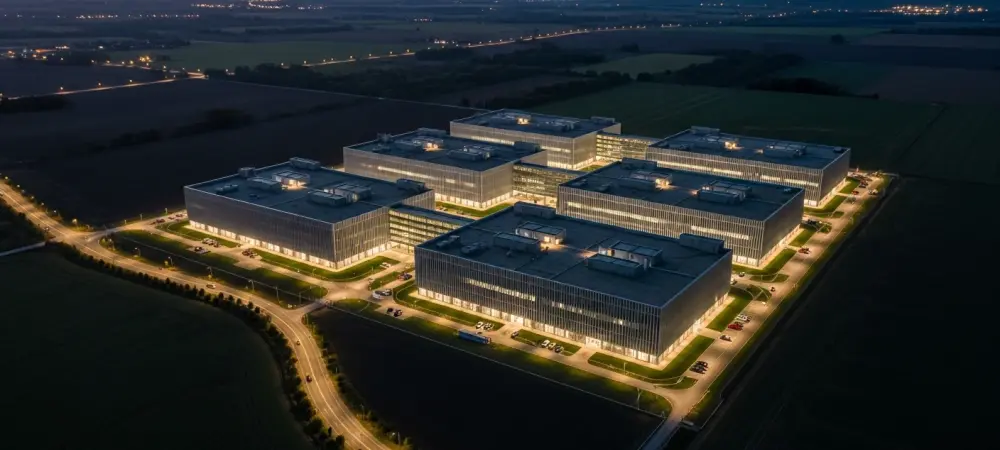
The voracious appetite of the digital world for processing power and storage is creating an unprecedented physical footprint, leading one Oklahoma lawmaker to call for a statewide pause on the very infrastructure that powers modern life. Republican State Senator Kendal Sacchieri has introduced legislation, known as SB 1488, proposing a sweeping three-year moratorium on the construction of new data centers across the state. The bill aims to halt all new development until November 1, 2029, providing a crucial window for a comprehensive review of the industry’s true impact on Oklahoma’s resources and communities. At the heart of this proposal lies a deep-seated concern over the rapid, and often unregulated, proliferation of these massive facilities. The legislation points to “serious unknowns” associated with their long-term effects, specifically citing the significant strain they place on local water supplies and electrical grids, as well as their influence on property values and land use patterns, arguing for a more deliberate approach than the current paradigm of allowing them to be built “anywhere and everywhere.”
A Growing Chorus of Bipartisan Concern
The push for greater scrutiny over data center expansion is rapidly transcending traditional political divides, creating unlikely alliances and signaling a significant shift in public and legislative sentiment. The concerns articulated in Oklahoma’s proposed bill are echoed by a diverse coalition of voices, from conservative Republicans like Senator Sacchieri to progressive Democrats such as Senator Bernie Sanders, and various environmental advocacy groups. This widespread apprehension is fueled by the immense resource requirements of modern data centers, particularly the new generation of facilities designed to handle the computationally intensive demands of artificial intelligence. These AI-focused centers consume vast quantities of energy and water for processing and cooling, and their large physical footprints are pushing developers into less traditional, often rural, locations like Oklahoma. This migration has brought the consequences of their resource consumption into sharp focus for local communities, raising critical questions about the sustainability of an industry that can tax utility grids and deplete water tables, all while altering the economic and environmental landscape for existing residents.
From Local Pushback to Statewide Regulation
Oklahoma’s legislative effort, while notable for its statewide scope, was part of a much broader and escalating pattern of governmental pushback that had been building for years. The move from localized opposition to potential state-level regulation signaled a new phase in the national conversation about the data center industry’s unchecked growth. Prior to this, numerous local councils and county boards across the country, in states as varied as Georgia, Illinois, Kentucky, and Pennsylvania, had already taken matters into their own hands by enacting similar, albeit smaller-scale, moratoria. These local actions served as a clear indicator of growing grassroots frustration. The legislative considerations in Oklahoma, alongside similar discussions that had emerged in states like Georgia and Maryland, underscored a pivotal transition. The debate had shifted from isolated community disputes to a coordinated regulatory response, reflecting a recognition that the cumulative impact of these facilities required a more holistic, statewide perspective. Though no state had yet enacted such a comprehensive moratorium, the Oklahoma bill stood as a landmark proposal that could set a precedent for how states manage the digital economy’s physical demands.