

The invisible engines powering artificial intelligence and our digital lives are now casting a very visible shadow on monthly utility bills, prompting a bold legislative response from state officials aiming to rebalance the scales of energy accountability. This emerging conflict between technological demand and public infrastructure cost has placed New York at the forefront of a national debate, forcing a critical question: who should pay for the power required to run the future?
The Hidden Power Bill Behind Your AI Chatbot
The seamless experience of interacting with an AI chatbot or streaming a high-definition video masks an immense and growing energy footprint. Data centers, the sprawling, power-hungry warehouses that form the backbone of the digital economy, are consuming electricity at an unprecedented rate. This surge in demand, driven largely by the computational needs of artificial intelligence, is directly translating into higher operational costs for utility providers.
Historically, the expense of grid upgrades to support new industrial loads was socialized, distributed across the entire customer base. However, the sheer scale of data center consumption is straining this model to its breaking point. As a result, residential customers and small businesses are increasingly finding themselves subsidizing the energy needs of some of the world’s largest technology companies, a dynamic that state leaders are no longer willing to ignore.
The National Grid Under Strain A Nationwide Power Struggle
This power struggle is not confined to New York. Across the country, the proliferation of data centers is creating an energy demand crisis that utility planners did not anticipate even a few years ago. The national power grid, a complex and aging system, is being pushed to its limits, creating bottlenecks and threatening the stability of the energy supply for millions of Americans.
The situation in the PJM Interconnection, which serves 13 states and is home to the world’s largest concentration of data centers, serves as a stark case study. Soaring grid costs and delayed connections for new projects in this region highlight the severe local consequences of this national trend. In response, the Federal Energy Regulatory Commission has issued new guidelines, a clear acknowledgment from federal authorities that the escalating energy demands of the digital age require a new regulatory framework.
New Yorks Solution The Energize NY Development Initiative
In response, Governor Kathy Hochul has unveiled the “Energize NY Development” initiative, a landmark policy designed to shift the financial burden back onto the high-consumption facilities driving the demand. Under this new rule, data centers and other energy-intensive operations must either generate their own power or pay a premium for the grid infrastructure required to support them, effectively ending the era of subsidized energy for these digital giants.
However, the policy includes a crucial “economic benefit” clause. Data centers that can demonstrate substantial job creation or other significant contributions to the state’s economy may be exempt from these new requirements. This provision transforms the initiative from a simple tax into a strategic tool designed to attract high-value investment while discouraging projects that offer little more than a drain on public resources. This move is also intrinsically linked to Governor Hochul’s reelection campaign, which has centered on affordability and consumer protection.
Voices on the Front Lines Policy and Expert Perspectives
Governor Hochul has framed the initiative as a direct intervention to protect the financial well-being of everyday New Yorkers. The policy, she argues, ensures that residential and small business consumers are no longer forced to underwrite the massive energy appetites of tech corporations. This stance positions the governor as a champion for consumers against powerful corporate interests.
Moreover, New York’s approach is not happening in a vacuum. It reflects a growing national consensus that large-scale energy users must play a more active role in maintaining grid stability and managing costs. This trend toward greater corporate accountability in energy consumption signals a fundamental shift in how states are balancing economic development with the sustainable management of public utilities.
New Yorks Two Pronged Strategy for a Powered Future
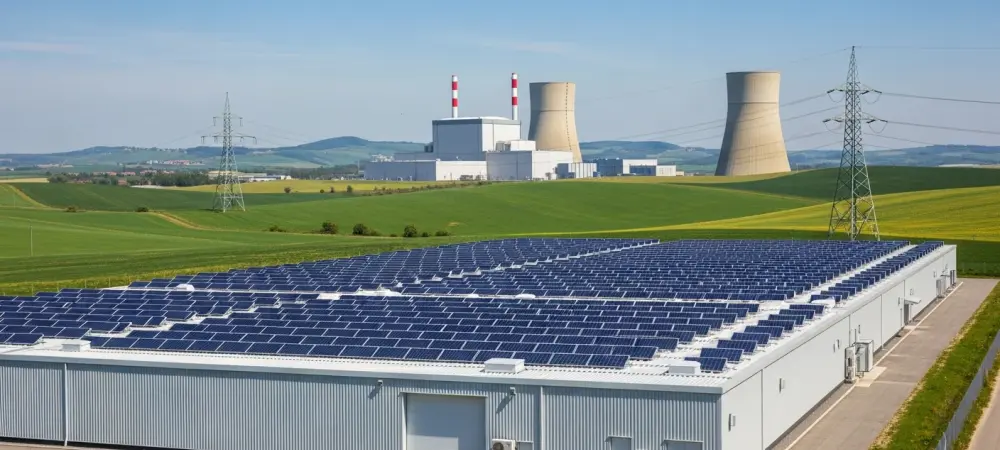
Beyond reallocating costs, New York is pursuing a comprehensive, two-pronged strategy to secure its energy future. A significant part of this plan involves boosting the state’s power supply by targeting the addition of 5 GW of new nuclear power capacity. This ambitious goal is a direct response to projections of long-term demand growth and a commitment to providing reliable, carbon-free energy.
Simultaneously, the state is tackling critical infrastructure bottlenecks. New measures are being implemented to streamline and accelerate the often-lengthy process for new facilities to connect to the power grid. By addressing both supply-side generation and distribution logistics, New York aims to create a more resilient and efficient energy ecosystem capable of supporting both its residents and its growing tech sector.
New York’s initiative marked a pivotal moment in the national conversation about energy equity and the hidden costs of the digital revolution. By directly linking energy consumption to financial responsibility, the state created a framework that challenged the long-standing practice of socializing infrastructure costs. The policy not only provided immediate relief to consumers but also established a powerful precedent that other states, facing similar pressures from the booming AI industry, could potentially adopt, fundamentally altering the economic landscape for data center development across the nation.