

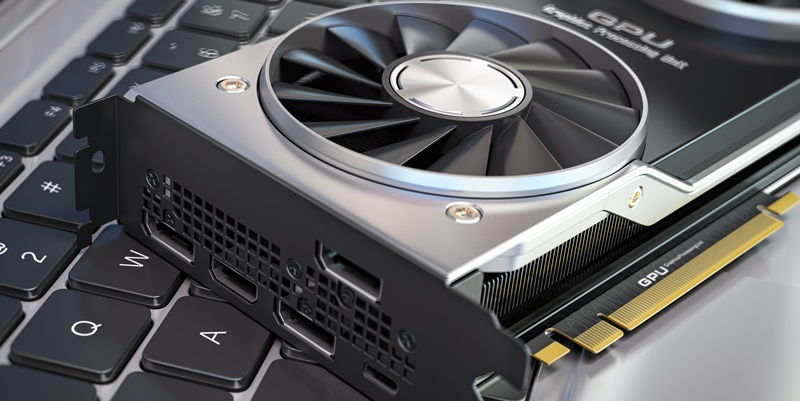
Nvidia’s anticipated RTX Super refreshes for Lovelace have been the subject of much speculation and rumors. Recent information suggests that these new graphics cards will be released in a staggered manner throughout January. In this article, we delve into the details and discuss the potential impact of Nvidia’s upcoming lineup.
Reveal of New RTX 4070 and 4080 Graphics Cards
Nvidia plans to unveil three new graphics cards, including the highly anticipated RTX 4070 and 4080, at a “special event” during CES 2024 on January 8th. This announcement will mark a significant milestone for Nvidia, as enthusiasts eagerly await the next-generation GPUs.
Release of RTX 4070 Super
The first release to hit the shelves will be the RTX 4070 Super, which is rumored to be available on January 17th. Speculations surround the performance and pricing of this GPU. According to IT Home, the RTX 4070 Super (12GB) will likely deliver performance similar to the current RTX 4070 Ti. As for pricing, it is expected to fall within the range of $599 to $649 in the US, which is expected to be aligned with global pricing.
Release of RTX 4070 Ti Super
Following the release of the RTX 4070 Super, the RTX 4070 Ti Super is rumored to hit the market on January 24th. This card is projected to offer a performance boost of around 15% to 20% compared to the RTX 4070 Ti. With a price tag estimated between $799 and $849, Nvidia aims to cater to gamers seeking enhanced performance without breaking the bank.
Arrival of RTX 4080 Super
On January 31st, Nvidia is expected to release the highly anticipated RTX 4080 Super. This graphics card is rumored to provide a marginal performance increase of 5% to 10% when compared to the existing RTX 4080. Priced at $999, the RTX 4080 Super aims to offer a premium gaming experience to enthusiasts who are willing to invest in top-tier hardware.
Confirmation of three new super GPUs
Contrary to recent rumors suggesting the release of only two new models, the latest information confirms the arrival of three new Super GPUs. This includes the much-debated ‘Ti Super’ model, which is expected to cater to gamers desiring superior performance.
Short time frame for release
The close proximity of these releases, occurring within the span of just a few weeks, has raised eyebrows in the tech community. Nvidia’s decision to accelerate the launch schedule suggests a potential urgency to revamp their Lovelace lineup. One possible motive could be the reported underwhelming sales of the RTX 4080, prompting Nvidia to accelerate the release of the RTX 4080 Super.
Speculation on the RTX 4080 Super
With the RTX 4080 Super set to arrive at the end of January, enthusiasts are eagerly anticipating its performance. Early indications suggest that this graphics card may surpass expectations, as it is rumored to outperform the original RTX 4080. If these predictions hold true, the RTX 4080 Super could potentially redeem the initial lukewarm reception faced by its predecessor.
Nvidia’s rumored RTX Super refresh release schedule has generated significant buzz within the gaming community. The staggered release of the RTX 4070 Super, RTX 4070 Ti Super, and the highly anticipated RTX 4080 Super throughout January showcases Nvidia’s commitment to providing enhanced gaming experiences. As we eagerly await the official announcements and reviews, it’s clear that Nvidia is determined to meet gamers’ demands for top-notch performance and value.