

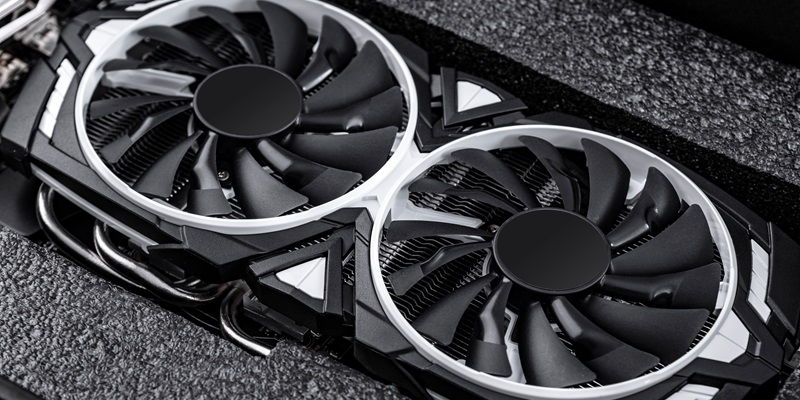
Nvidia, renowned for its cutting-edge graphics cards, might be preparing to shake up the market by replacing the popular RTX 3050 graphics card. Recent rumors suggest that Nvidia is considering introducing a refreshed version of the RTX 3050, possibly with a reduced core count and lower power usage. While these rumors should be taken with a grain of salt until confirmed, they spark excitement within the gaming community and raise questions about the potential impact of such a move.
Scrapping the RTX 3050
One theory behind Nvidia’s supposed plan is that they are scrapping the current RTX 3050 and replacing it with a revamped version. This speculation stems from rumors suggesting a refresh with a cut-down 6GB variant, offering improved performance at a potentially more competitive price point. If true, this change could provide Nvidia with an opportunity to better cater to the demands of the market.
Pricing and Specifications
The speculated new RTX 3050 6GB variant is expected to be priced between $179 and $189 in the US. This price range positions it as a more affordable option for budget-conscious gamers, making Nvidia’s products more compelling for this market segment. Additionally, reports have hinted at a possible reduction of up to 20% in the core count of the new version, as well as lower power consumption. These changes, if indeed implemented, could offer a well-rounded solution for gamers seeking mid-range performance with efficiency and affordability.
Release Date
According to information from the source Benchlife, Nvidia is rumored to release the new RTX 3050 6GB variant in January 2024. However, it’s important to note that these release dates are subject to change, and Nvidia has not officially confirmed any details about the new graphics card. Therefore, enthusiasts eagerly await an official announcement from the company to validate these speculations.
Expansion of Product Range
In addition to the rumored refresh of the RTX 3050, speculation suggests that Nvidia may be planning a new GeForce RTX 40 series graphics card to meet the needs of consumers in various price ranges. The potential existence of an RTX 4050 is an enticing prospect, as it would allow Nvidia to offer a wider range of options for gamers seeking different levels of performance and affordability. However, until Nvidia provides official confirmation, this remains mere speculation.
Competitive Strategy
Nvidia’s potential move to introduce a refreshed version of the RTX 3050 may be part of the company’s strategy to strengthen its position in the budget market segment. By offering increased value for money with the purported reduced price, improved specifications, and potential power efficiency, Nvidia aims to capture the attention of consumers who prioritize performance at an affordable cost. Challenging the competition and securing a strong foothold in this segment is crucial for Nvidia’s continued market dominance.
Potential Drawbacks
While a refresh of the RTX 3050 might be exciting, there are potential drawbacks to consider. If Nvidia significantly reduces the CUDA core count, it could compromise the graphics card’s overall appeal. Gamers rely on the power and performance facilitated by the CUDA cores, and a substantial reduction could diminish the perceived value and put Nvidia at a disadvantage compared to its competitors.
Competition from AMD
In the dynamic landscape of graphics cards, Nvidia faces competition from industry rivals like AMD. As Nvidia contemplates refreshing the RTX 3050, it must ensure that this rumored new variant can effectively compete with AMD’s RX 6600. Both companies strive to offer the best performance-per-dollar ratio, and the success of Nvidia’s new card highly depends on its ability to outperform or match the competition in terms of price, performance, and features.
While rumors swirl around Nvidia’s potential plan to replace the RTX 3050, it is essential to await official confirmation from the company itself. The prospect of a refreshed RTX 3050 with a more competitive price, improved specifications, and increased power efficiency is undeniably exciting for gamers. However, it remains crucial to evaluate Nvidia’s official announcements regarding the pricing, specifications, and performance of the rumored RTX 3050 variant. Until then, enthusiasts can only speculate about the potential impact this graphics card upgrade might have on the gaming market.