

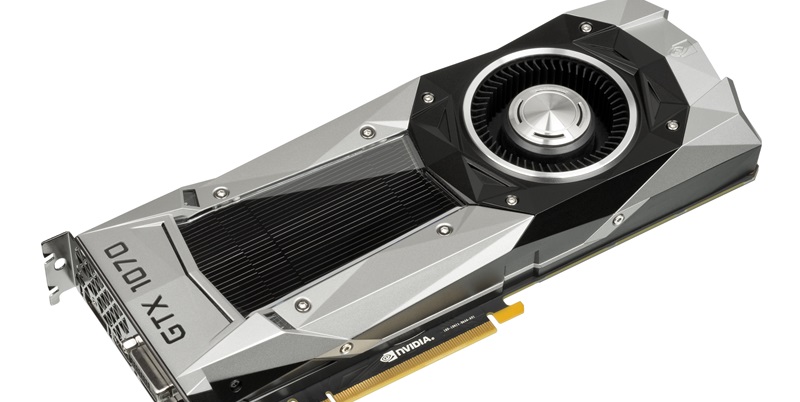
In a promising development for PC gaming enthusiasts, Nvidia’s highly anticipated RTX 4080 Super graphics card has recently been spotted listed in a popular system monitoring tool. This revelation has sparked excitement and anticipation among the gaming community, who are eagerly awaiting a potential release in the not too distant future.
Reiteration of Previous Hints
The appearance of the RTX 4080 Super listing adds to the growing pile of hints and speculations about Nvidia’s plans for a refreshed RTX 4080 variant. Over the past few months, a wave of rumors has flooded tech forums, signaling the possibility of a follow-up to the RTX 30 series. With this recent listing, the existence of the RTX 4080 Super now appears increasingly likely.
Possible variants
According to industry insiders, the RTX 4080 Super is expected to be accompanied by an RTX 4070 Super and an RTX 4070 Ti Super. This lineup suggests that Nvidia intends to deliver a comprehensive range of high-performing graphics cards, catering to diverse budgets and gaming needs. The inclusion of multiple variants further strengthens the notion of Nvidia’s commitment to the Super series.
There is a lack of concrete evidence, but a strong likelihood
It is important to note that the appearance of the RTX 4080 Super listing does not provide concrete evidence of an imminent release. However, in conjunction with the abundance of other leaks and rumors, it is becoming increasingly plausible that Nvidia has Super variants planned for their upcoming graphics card lineup. The growing buzz and speculation surrounding the Super series lends weight to this likelihood.
GPU situation and Nvidia’s motivation
Nvidia finds itself in a somewhat challenging GPU situation, with supply constraints and high demand causing price surges and limited availability. It is only natural for Nvidia to take steps to rectify this situation and ensure a smoother launch for their next-gen graphics cards. The introduction of the RTX 4080 Super, with possibly improved manufacturing capabilities, can help alleviate these supply chain issues and provide a better experience for consumers.
Potential pricing scheme
One of the latest rumors in the industry surrounds Nvidia’s pricing strategy for the Super series. Speculations suggest that Nvidia may adopt a pricing scheme that could potentially unsettle their competitor, AMD. If Nvidia manages to offer the RTX 4080 Super at a competitive price, it could create a significant dent in AMD’s market dominance, leading to even more exciting possibilities for consumers.
Uncertainty regarding specifications and launch date
While the RTX 4080 Super listing has generated tremendous excitement, specifics about its features and specifications remain up in the air. It is too early to ascertain how this graphics card will stack up against its predecessors or competitors. Additionally, the launch date is still under wraps, with various sources speculating an early 2024 release. This uncertainty adds to the sense of anticipation surrounding Nvidia’s Super series.
Hope for an earlier arrival
Despite the lack of concrete details, the emergence of “Super” references in various leaks and rumors provides a tantalizing hint that the RTX 4080 Super and its companions might arrive sooner than expected. This early arrival would only fuel the excitement among PC gamers, eager to get their hands on the latest and most powerful gaming hardware. Additionally, if the pricing is favorable, the RTX 4080 Super could potentially rank high on the coveted best graphics card list.
The sighting of Nvidia’s RTX 4080 Super graphics card in a system monitoring tool amplifies the buzz and speculation surrounding its release. While concrete evidence remains elusive, the accumulating hints and leaks lend credibility to the existence of the Super variants. As the GPU landscape continues to evolve, PC gamers eagerly await Nvidia’s refreshed lineup, hoping for an early release and competitive pricing. The RTX 4080 Super and its companions may herald a new era of high-performance gaming, setting the stage for an exhilarating battle among graphics card manufacturers.