

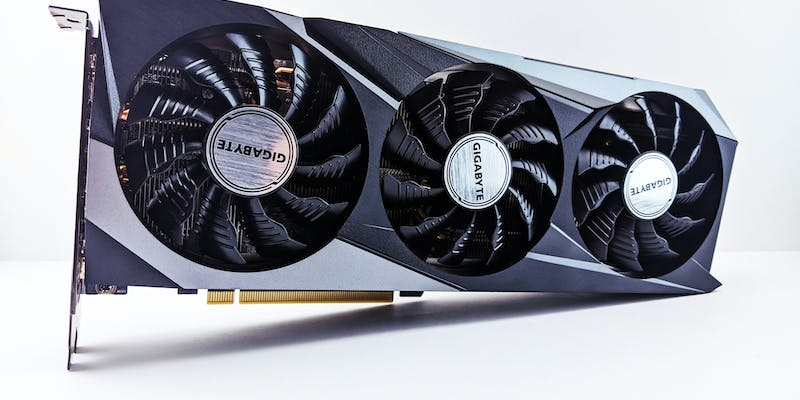
Nvidia’s highly anticipated RTX 4080 Super is set to launch in January, marking the final refresh of the Lovelace series. Building on the success of its predecessor, the RTX 4080, this new graphics card promises improved performance and enhanced features. Excitingly, third-party graphics card manufacturers have stepped up to offer custom boards, further expanding the options for consumers. In this article, we explore the pricing landscape for the RTX 4080 Super and uncover some promising findings.
Distinction from Founder’s Edition
Unlike the Founders Edition produced directly by Nvidia, the RTX 4080 Super models discussed here are custom boards from third-party manufacturers. This distinction allows for increased variety and potentially more affordable pricing options for consumers.
Availability at recommended pricing
The good news for potential buyers is that numerous RTX 4080 Super models are available at the manufacturer’s suggested retail price (MSRP), making them an attractive option in terms of affordability. Notebooksbilliger, a reputable source, has specifically listed five models at MSRP, ensuring accessible options for customers.
RTX 4080 Super models at MSRP
Let’s take a closer look at the RTX 4080 Super models offered at the recommended pricing level. Notebooksbilliger has identified the following models at MSRP: Inno3D X3, Gigabyte Windforce 16G, Gigabyte Windforce V2, Asus TUF, and Zotac Trinity Black Edition. These models showcase a diverse range of features and specifications, catering to different consumer preferences.
Models Slightly Above MSRP
In addition to the models available at MSRP, there are a few variants priced only slightly above the recommended level. The Palit GamingPro OC, Palit Jetstream OC, and Zotac Trinity OC White models are all overclocked versions, denoted by the “OC” label. Though they carry a price premium of approximately 4% over MSRP, the added performance from overclocking may justify the slightly higher cost for some consumers.
Positive impression of pricing
The pricing landscape for the RTX 4080 Super appears promising, with multiple models available at MSRP and a handful just slightly above. The overall outlook for pricing is optimistic, raising the question of whether Nvidia has encouraged its partners to offer more competitive pricing, aiming to make the RTX 4080 Super an appealing choice for consumers.
Potential uplift and pricing strategy
Compared to the vanilla RTX 4080, the price increase for the RTX 4080 Super is expected to be minimal, possibly around 5%. However, where Nvidia has made a significant difference is in its pricing strategy. By offering an improved product at a reasonable cost, Nvidia aims to capture a larger market share and solidify its position as a leader in the graphics card industry.
Hope for competitive pricing worldwide
While the pricing information discussed here pertains to a specific retailer, it is encouraging to anticipate similarly competitive pricing worldwide. If the positive pricing trend extends globally, the RTX 4080 Super could become a top contender for the best graphics card, appealing to a broad range of consumers seeking high-performance gaming solutions.
The upcoming launch of Nvidia’s RTX 4080 Super brings forth a refreshed graphics card with promising performance improvements and enhanced features. Moreover, the optimistic pricing landscape, with multiple models available at MSRP and some only slightly above, suggests that Nvidia’s pricing strategy is geared towards accessibility and competitiveness. As more details emerge and availability widens, it will be intriguing to see the performance and value that the RTX 4080 Super offers. In the meantime, stay tuned for updates, and let’s hope for affordable pricing worldwide, making this graphics card an excellent choice for gaming enthusiasts worldwide.