

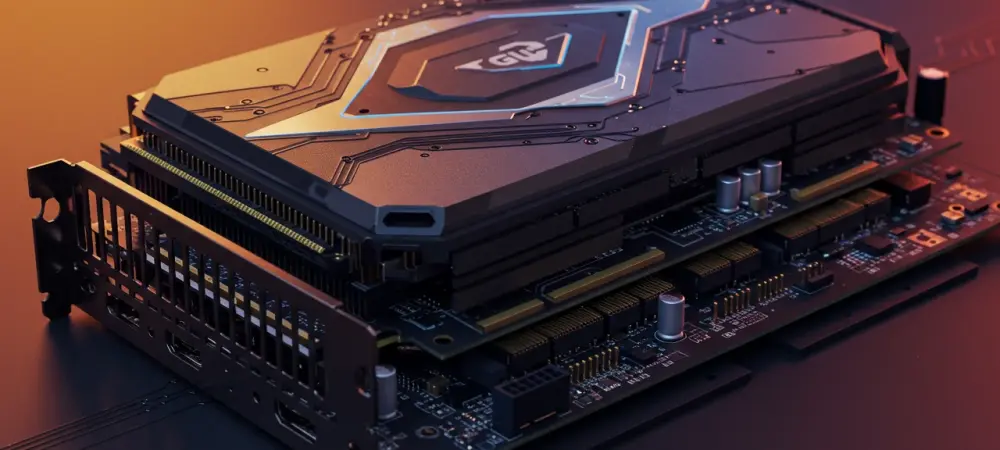
Amid an era where artificial intelligence and machine learning are at the forefront of technological advancements, enterprises face challenges in harnessing these technologies efficiently. Businesses are constantly seeking ways to integrate AI into their operations without incurring exorbitant costs. As the demand for high-performance computing grows prolific, Nvidia’s GPU as-a-service (GPUaaS) presents a groundbreaking solution. This approach has not only redefined accessibility in the AI sector but has also carved out a promising avenue in a competitive market landscape.
Navigating AI’s Financial Maze
Nvidia’s venture into GPUaaS offers a compelling answer to widespread financial barriers in AI adoption. Companies grapple with the high cost of hardware and maintaining cutting-edge AI technologies, raising questions about sustainable investment strategies. Nvidia’s service, designed to provide GPU capabilities via the cloud, is reshaping expectations and strategies across industries. The entry of a formidable player like Nvidia into this saturated domain has caught the industry by surprise, bringing fresh optimism to AI enthusiasts.
An Era of GPU On-Demand
The increasing reliance on AI and ML has mandated a shift towards flexible, cost-effective solutions. Modern enterprises can no longer afford inefficiencies associated with traditional hardware investments. Companies demand systems that ensure high performance while remaining financially viable. The notion of GPUaaS resonates with many, as it bridges the gap between cutting-edge technology and economic sustainability, allowing businesses to leverage Nvidia’s offerings without straining finances.
Unpacking GPUaaS Sector Dynamics
The GPU cloud market is fiercely competitive, with major players like AWS, Google Cloud, and Microsoft Azure vying for dominance. Each offers proprietary technologies tailored to diverse needs—AWS’s Trainium, Google’s TPUs, and Microsoft’s Maia are just a few examples. Amidst this landscape, Nvidia has strategically positioned itself with unique offerings that set it apart. Enterprises can now explore this alternative route, evaluating their needs against Nvidia’s specialized services, which promise unparalleled flexibility and performance.
Insightful Reflections from Industry Experts
Industry experts have lauded Nvidia’s GPUaaS approach for its innovation and practicality. Forbes mentions how businesses can achieve economic advantages using GPU cloud services, citing Nvidia’s exemplary role in transforming enterprise strategies. Testimonials from firms successfully adopting Nvidia’s GPUaaS further validate these claims, with results showcasing tangible enhancements in operational efficiency and cost savings. Industry analysts project a significant shift in how AI is deployed across sectors, hinting at broader implications for technological growth.
Frameworks for Seamless Integration
Enterprises wishing to embrace Nvidia’s GPUaaS must adopt strategic frameworks aligned with organizational objectives. Experts recommend employing a multi-cloud strategy, which ensures agility and optimizes resource utilization. Establishing criteria for service evaluation based on performance, flexibility, and future scalability is crucial. By considering these parameters, businesses can make informed choices that align with evolving goals and priorities, securing competitive advantages in a rapidly changing digital landscape.
In conclusion, Nvidia’s foray into GPUaaS marks a pivotal shift in cloud-based technology services, unlocking new avenues for cost-effective AI integration. The competitive landscape and emphasis on flexibility and custom solutions invite industry reflection on the strategic allocation of resources. Enterprises, armed with insights from successful implementations and expert advice, position themselves for improved efficiency and adaptability, promising significant digital transformation. The journey forward encourages adaptability, with enterprises and suppliers alike urged to remain vigilant against technological advancements, ensuring future-proof operations.