

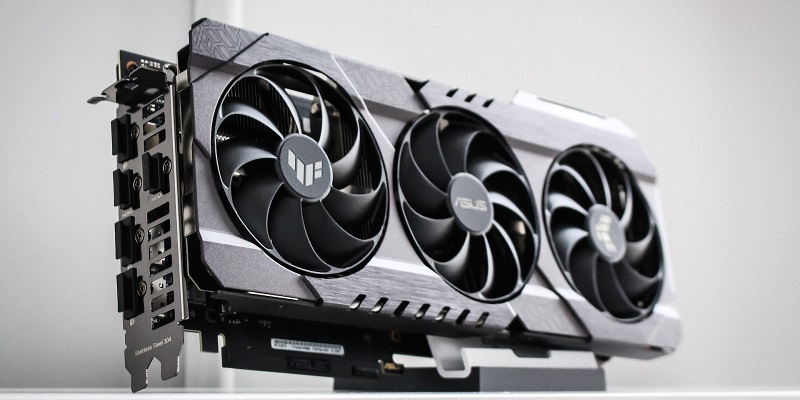
NVIDIA’s high-performance graphics processing units (GPUs) have been marred by an unexpected issue. Recent reports from South Korean media outlet QuasarZone have highlighted a vulnerability in the GeForce RTX 3080 and A6000 GPUs, leading to “vapor chamber cracking.” This surprising revelation has caused concern among owners of these graphics cards worldwide.
Issue with GeForce RTX 3080 and A6000 GPUs
The heart of the problem lies in the potential for “vapor chamber cracking” in these GPUs. It has been discovered that a chemical reaction is occurring within the vapor chamber, primarily due to the presence of “traces” of copper. While the exact nature of these traces is still under investigation, it is believed that they originate from the manufacturing processes.
Failure of liquid metal stopper and high temperatures
The consequences of this chemical reaction are twofold. Firstly, the failure of the liquid metal stopper within the heatsink exacerbates the issue. This results in significant temperature increases during GPU operation, leading to performance bottlenecks and even potential system instability.
Investigation and troubleshooting process
To understand the underlying cause and potential solutions, technicians conducted an in-depth investigation. Initially, a technician replaced the shroud of the RTX 3080 FE, suspecting it to be the source of the problem. However, further examination revealed that the shroud was not the culprit. In a parallel incident, another RTX A6000 GPU displayed a similar hole in the vapor chamber, reinforcing the severity of the issue.
Splitting the heatsink and discovery of blue substance
In an effort to shed light on the situation, the technician split the heat sink of the RTX 3080 FE. To their surprise, they discovered a striking blue substance within it, later identified as an oxidized form of copper. This finding indicated that the humid conditions within the vapor chamber potentially facilitated the oxidization process.
Impact of Hole in Vapor Chamber and Internal Pressure Changes
When the vapor chamber is compromised through a hole, which, in this case, resulted from cracking, it significantly disrupts the heat flow. The subsequent changes in internal pressure further exacerbate the temperature problems, leading to potentially dangerous overheating scenarios.
Rarity of occurrence in older GPUs and potential cause
It is worth noting that this issue appears to be relatively rare in GPUs older than three years. It primarily manifests in cases where the heat sinks have been removed and thermal paste has been reapplied multiple times. While the exact reasons for this correlation are still being investigated, it suggests that improper maintenance may contribute to the vulnerability of these GPUs.
Solutions for overheating problems
Fortunately, although alarming, these vapor chamber cracks do not necessarily spell doom for affected owners. Often, overheating problems can be mitigated and rectified with the use of thermal pads and new thermal paste. By replacing the existing thermal interface material, heat dissipation can be improved, preventing further damage and ensuring stable GPU operation.
The vulnerability of NVIDIA’s GeForce RTX 3080 and A6000 GPUs to “vapor chamber cracking” has raised concerns among users worldwide. While the issue appears to be related to a chemical reaction stemming from copper traces within the vapor chamber, the exact cause is still being investigated. If owners experience overheating problems, solutions such as applying thermal pads and new thermal paste are recommended. As NVIDIA and its partners continue to investigate and address this issue, it serves as a reminder of the importance of proper GPU maintenance and the potential complexities behind cutting-edge hardware engineering.