

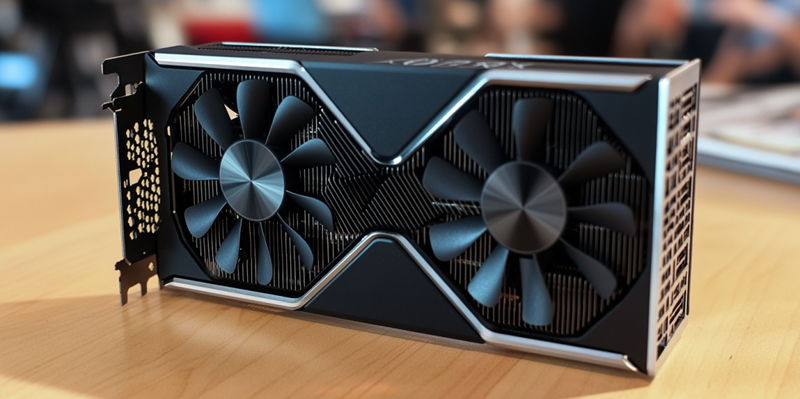
Imagine being able to create entirely new sounds based on a simple text or audio input, crafting anything from a barking saxophone to a screaming cello with unprecedented precision. This transformative capability is now a reality with Nvidia’s latest generative AI model, Fugatto. Developed with a focus on reshaping the realm of audio production, Fugatto harnesses an advanced generative transformer model similar to those that power AI giants like ChatGPT. Trained specifically on an extensive amount of audio data, Fugatto represents a groundbreaking leap in sound generation technology.
The Training Triumph
Building the Massive Dataset
A significant challenge for the Nvidia team was assembling an immense training dataset necessary for Fugatto. This dataset consisted of approximately 50 million hours of audio samples, a colossal undertaking by any standard. Despite the vast amount of data, the developers managed to maintain the model’s compactness and laser-like focus on enhancing its creative capabilities. The technique known as ComposableART played a crucial role in this endeavor, enabling Fugatto to merge a variety of audio properties, such as different emotions and accents, even if these features were not combined in the original training data. This innovative approach has allowed for the generation of unique, unheard-of audio combinations that push the boundaries of what is possible in sound design.
The complex construction of Fugatto’s training dataset ensured that the model could learn from a diverse range of sounds, encompassing numerous genres, instruments, and vocal styles. This diversity enriched the AI’s ability to generate high-quality, original audio outputs. The Nvidia DGX system, powered by 32 #00 Hopper AI accelerators, provided the computational muscle needed to handle the intricate training processes, ensuring that Fugatto can produce its complex audio results with remarkable efficiency. This extensive yet targeted training process marked a critical milestone in making Fugatto a versatile and powerful tool for creative professionals.
Merging Creativity and Technology
Fugatto’s development underscores an incredible merge of creativity and leading-edge technology. The AI’s ability to merge various audio properties, thanks to the ComposableART technique, means it can blend traits like emotion and accent in ways never combined before. The output can be as fantastically novel as a digital "avocado chair" might be in a visual sense but, in Fugatto’s case, translated into sound. For musicians and producers, this means an inventive playground where new instrument tracks can be added, voices isolated, or entirely new pieces of music generated from mere text prompts. The AI transforms creative vision into reality, removing barriers and introducing an era of enhanced artistry.
The utility of Fugatto spans beyond mere sound creation, exploring realms that redefine musical experiences. Musicians can swiftly experiment with sounds that were previously unimaginable, opening new avenues for innovation. The model provides an expansive toolkit for producers looking to push the boundaries of their projects. Nvidia audio researcher Rafael Valle pointed to Fugatto’s groundbreaking nature, emphasizing the transformative potential it holds for music generation. With this model, Nvidia has not only demonstrated the capabilities of AI in sound production but also set the stage for future innovations in the creative industry.
Showcasing Fugatto’s Potential
Early Demonstrations and Future Applications
Even though Fugatto isn’t yet accessible for public testing, Nvidia has showcased its capabilities through a dedicated platform featuring various audio samples. These demonstrations highlight Fugatto’s profound ability to generate previously unheard sounds, illustrating the transformative potential of generative AI in audio production. Visitors to the website can experience the novel combinations Fugatto produces, ranging from innovative musical compositions to bizarre yet captivating sound effects.
These audio samples serve as a testament to Fugatto’s advanced capabilities and promise significant future applications. Creative professionals can foresee an era where this technology becomes integral to music production, sound design, and various other artistic fields. By providing a glimpse into the possibilities, Nvidia offers an exciting preview of how generative AI can revolutionize the creative process. As musicians, composers, and producers explore Fugatto’s potential, they will likely discover new methods to push their artistic boundaries, leveraging AI to create sounds and music that were previously inconceivable.
The Road Ahead
Imagine being able to generate entirely new sounds from as simple an input as text or audio, crafting anything from a barking saxophone to a screaming cello with incredible precision. This historic capability is now possible thanks to Nvidia’s most recent generative AI model, Fugatto. Developed with a significant focus on revolutionizing the field of audio production, Fugatto makes use of an advanced generative transformer model, similar to the technology that powers AI titans like ChatGPT. This model has been extensively trained on a vast dataset of audio data, making it exceptionally adept at sound generation. Fugatto signifies a monumental advancement in sound generation technology, offering unprecedented control and creativity in crafting new audio forms. With this cutting-edge tool, creators can explore the boundaries of sound like never before, opening up endless possibilities in the realms of music, game design, and other audio-centric fields. This innovation sets a new benchmark in how we perceive and create sound, making the once unimaginable an accessible reality.