

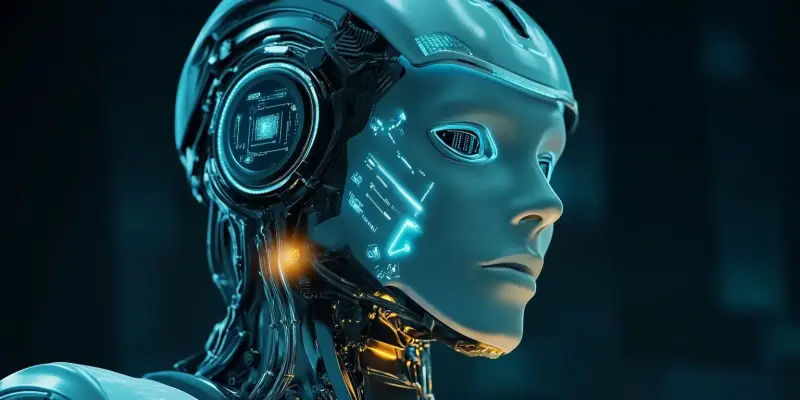
Nvidia has unveiled its groundbreaking AI foundation model, Groot N1, at the GTC conference in San Jose, marking a monumental development in the field of humanoid robotics. CEO Jensen Huang emphasized the significance of this release by proclaiming, “The age of generalist robotics is here,” highlighting Groot N1’s immense potential to drive AI-driven automation and spark innovation within the industry. Groot N1 is a robust, pre-trained AI model that boasts incredible versatility, enabling developers to customize it for specific robotics applications. This pre-trained model features a dual-system architecture designed to emulate human cognitive processes, with a slow-thinking system for enhanced perception and complex reasoning, and a fast-thinking system for executing real-time tasks efficiently.
A New Era in Humanoid Robotics
As competition in the humanoid robotics industry heats up, Nvidia’s Groot N1 aims to establish itself as a leader, challenging rivals like X1, Figure, and Google DeepMind. By equipping robots with advanced cognitive abilities and autonomous decision-making skills, Groot N1 empowers them to solve real-world problems with unprecedented effectiveness. Nvidia is also launching simulation frameworks and synthetic data blueprints to accelerate innovation and growth in AI-powered robotics.
The introduction of Groot N1 represents a significant leap toward creating generalist humanoid robots. This model showcases Nvidia’s commitment to advancing robotics and AI and promises to revolutionize how robots learn, adapt, and perform in various applications. Groot N1 enables robots to achieve higher levels of adaptability and efficiency, making them invaluable assets in diverse environments. Nvidia’s dedication to innovation highlights its role as a driving force in the ever-evolving technological landscape.
Groot N1 reflects a forward-thinking approach, combining advanced AI technology with practical applications. Its dual-system architecture enables robots to reason, perceive, and perform tasks in real time, bridging the gap between human cognitive functions and robotic efficiency. As Nvidia continues to push boundaries, Groot N1 exemplifies the company’s vision for robotics and AI’s future. This groundbreaking advancement demonstrates the importance of continual innovation as Nvidia leads in transforming humanoid robots’ potential and capabilities. By introducing Groot N1, Nvidia paves the way for a new era of AI-driven automation poised to impact various industries and aspects of life. With this development, Nvidia solidifies its position as a trailblazer in AI and robotics.