

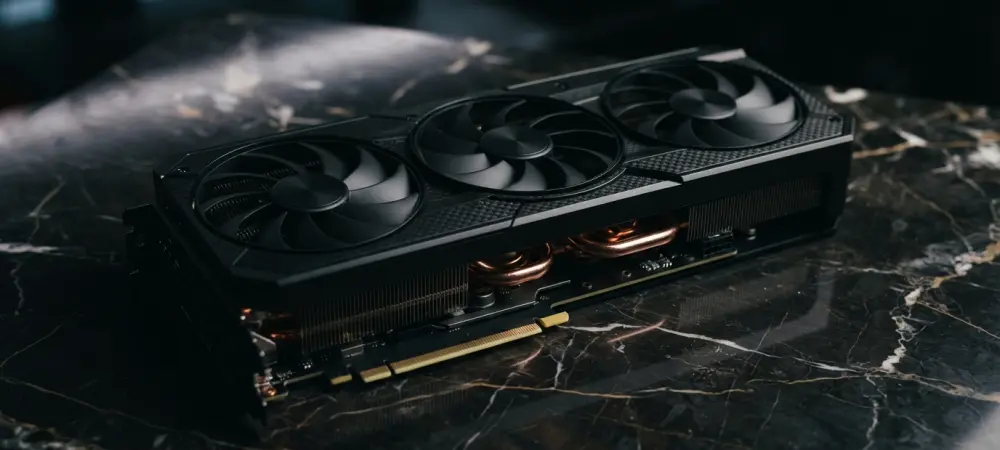
The unprecedented realization that a single hardware graphics component now costs as much as a luxury vehicle has sent massive shockwaves through the global technology market, signaling a fundamental shift in how high-end computing power is valued and distributed among professional users and enthusiasts. This unprecedented scarcity of the Nvidia GeForce RTX 5090 has transformed the landscape of modern hardware acquisition into a high-stakes environment where traditional retail channels have essentially collapsed. What was once intended to be the pinnacle of consumer-grade graphics processing has effectively transitioned into a rare, sought-after asset that remains largely invisible on physical and digital store shelves across the United States. This disappearing act has created a vacuum in the market, leaving consumers to navigate a chaotic ecosystem where official pricing is no longer a relevant metric for purchase. As the availability of the flagship Blackwell-based card continues to dwindle, the industry is witnessing a decoupling of manufacturing costs and retail valuations.
Manufacturer Inventory and Retail Price Inflation
Leading original equipment manufacturers such as HP and Lenovo have found themselves unable to sustain inventory for their most premium desktop configurations, highlighting the severity of the current supply chain bottleneck. For instance, the high-performance HP OMEN MAX 45L, which carries a staggering price tag near eight thousand dollars, has been flagged as unavailable for several weeks, leaving potential buyers with few options. Lenovo has experienced a similar drain on its resources, with its specialized gaming and workstation divisions reporting a total absence of configurations featuring the flagship GPU. This systemic depletion suggests that even the largest industrial partners are receiving insufficient allocations to meet the demands of their luxury-tier customers. The disappearance of these systems from mainstream catalogs marks a significant turning point in the industry, as the inability of major brands to secure components usually precedes a wider, more prolonged period of market instability. Standalone retail units have experienced an even more dramatic shift, with pricing trajectories that seem to have completely detached from the initial suggested retail price of nineteen hundred and ninety-nine dollars. Major online retailers like Newegg and B&H Photo now list the few units that pass through their inventory at markups ranging from one hundred and twenty-five to nearly three hundred percent. It is not uncommon to see out-of-stock listings priced between forty-five hundred and six thousand dollars, while the secondary market on platforms like Amazon has seen verified units listed for as high as seven thousand six hundred dollars. This astronomical inflation reflects a market driven by desperation and the immediate needs of professional sectors that cannot afford to wait for a potential restock. The pricing environment has become so volatile that traditional consumer protection mechanisms and price tracking tools have struggled to keep pace with the rapid fluctuations occurring daily.
Specialized Markets and Professional Utility Adaptations
While mainstream retailers face empty warehouses, boutique system integrators like Skytech, CLX, and specialized divisions such as Dell’s Alienware remain the final frontier for those who must possess this technology. These vendors offer a consistent, albeit prohibitively expensive, path to ownership by bundling the scarce hardware into ultra-premium, pre-built systems. However, gaining access to a functional unit through these channels requires a financial commitment that frequently exceeds ten thousand dollars for a complete configuration. These independent builders often secure their supply through different procurement channels than retail giants, allowing them to maintain a trickle of availability for a very specific clientele. This consolidation of stock within the boutique sector has created a bifurcated market where the average enthusiast is priced out, while high-budget corporate entities and wealthy hobbyists retain the only viable access points. This trend underscores a growing divide in the technology sector.
The technological landscape adapted to these challenges by finding innovative ways to distribute and utilize limited resources across various sectors while software developers focused on optimizing code to run efficiently on less demanding hardware. Industry analysts observed that the extreme pricing of the flagship card served as a catalyst for a broader discussion about the accessibility of high-end computing power. Many professionals successfully transitioned to hybrid cloud environments, which offered a scalable alternative to the high upfront costs of physical workstations. This period proved that the industry could remain productive despite severe hardware limitations, as engineers and designers pioneered new methods for resource management. Ultimately, the market learned that relying on a single flagship component was a vulnerability, leading to a more diversified approach to hardware selection. This shift encouraged a more resilient ecosystem where performance was no longer strictly tied to the latest retail availability.