

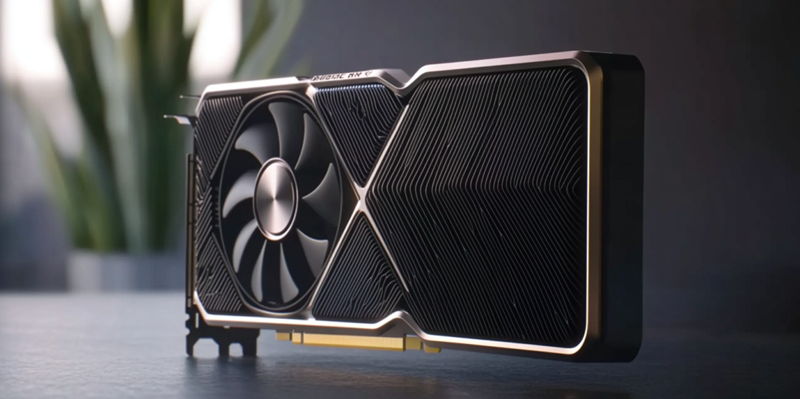
Amidst the tech community, a swirling debate has erupted regarding the pricing of Nvidia’s upcoming RTX 5090 graphics card. Fueling this discourse are insights from renowned leakers and industry insiders who offer varying predictions. With Nvidia’s historical pricing strategies and economic forces in play, the anticipation is palpable. As these speculative discussions intensify, they reveal a range of perspectives on what consumers and industry stakeholders might expect when this next-generation GPU hits the market. Nvidia’s pricing decisions for its flagship models are often closely scrutinized, given their implications for the broader industry and consumer trends.
The debate was initially sparked by a prediction from Moore’s Law is Dead, a significant figure in the tech rumor sector, who suggested that the RTX 5090 could range from $2,000 to $2,500. This forecast generated considerable concern among PC gaming enthusiasts and professionals, who feared that such a steep price would place the GPU out of reach for many potential buyers. The effect of this prediction can be felt within online forums, social media platforms, and tech news outlets, contributing to a heightened sense of unease about the future of GPU affordability and accessibility.
Divergent Predictions from Industry Insiders
A significant source of speculation stemmed from Moore’s Law is Dead, an influential figure in tech rumor circles. He predicted that the RTX 5090 could be priced between $2,000 and $2,500. This high-end estimate raised eyebrows and concerns among PC gaming enthusiasts, highlighting fears of an unaffordable price tag for Nvidia’s next flagship GPU. The suggested price had many questioning Nvidia’s strategy and pondering the impact such an increase would have on the wider market for high-performance graphics cards. The ripple effects of this speculation were felt not only within the consumer base but also among potential competitors observing Nvidia’s market positioning.
Counteracting this view, another notable leaker, Kopite7kimi, dismissed Moore’s Law is Dead’s prediction as "totally fake." According to Kopite7kimi, while a price increase is likely, it would range more moderately from $100 to $300 over the prior models. This more optimistic outlook provided a sense of relief to potential buyers, fostering a hope that Nvidia would not push prices to extreme levels. Kopite7kimi’s counter-estimate injected a dose of pragmatism into the discussion, suggesting that Nvidia might adopt a more measured approach to pricing, which in turn could preserve consumer goodwill and maintain competitiveness within the rapidly evolving GPU market.
Contextualizing Historical Pricing Trends
To understand these predictions, it’s essential to analyze Nvidia’s historical pricing patterns. The discourse references the current pricing trends of the RTX 4090, part of the Lovelace series. The RTX 4090’s price trajectory mirrors a steady climb, substantiating fears of continued price increments for subsequent models. Nvidia’s substantial investment in AI has further fueled pessimism. This strategic focus on AI, especially involving high-profit Blackwell GPUs for AI applications over GeForce graphics cards, suggests fewer budget allocations for consumer products. Such investments indicate a shift towards sectors that promise higher profitability, thereby impinging on the affordability of gaming-centric GPUs.
The speculated high prices might also be part of a broader strategy by Nvidia to gauge market reactions. Leaking potential prices could serve as a test to see how consumers and the tech community respond, demonstrating the speculative and volatile nature of such predictions. Nvidia’s intricate balancing act between maximizing profitability and maintaining consumer loyalty puts added weight on these pricing speculations, potentially influencing the broader strategy for Nvidia’s product rollouts. The reaction from tech enthusiasts, analysts, and potential buyers to these speculative price leaks could very well guide Nvidia’s final pricing decisions.
Potential Impact on Market Dynamics
Nvidia’s strategic decisions and potential pricing strategies can significantly influence market dynamics. The RTX 5090, catering primarily to a niche market of high-end gamers and professionals, could deter even the most dedicated enthusiasts if prices soar too high. Allies were monitoring closely, considering possible repercussions in the broader market. A sharp increase in the flagship’s price could push a segment of the consumer base toward alternative products, potentially opening market opportunities for Nvidia’s competitors who might capitalize on this shift by offering more competitively priced options that balance performance and affordability.
The pricing of mid-tier GPUs, such as the RTX 5080 and RTX 5070, also forms a critical part of this discussion. Though detailed price predictions for these models are scant, their importance cannot be overstated. Mid-tier GPUs act as the backbone for the broader consumer base seeking value-for-money products. However, uncertainty looms large, given the lack of concrete projections. Mid-tier GPUs sustain the majority of the market and any significant changes in their pricing structures could either bolster or impede Nvidia’s market share. Competitors may look to exploit any discontent arising from Nvidia’s pricing strategy, thereby intensifying the competitive landscape.
Upcoming Launch and Market Speculation
The anticipated launch of the next-gen Blackwell GPUs at CES 2025 hints at when more precise details might emerge. Until then, speculation will continue to dominate conversations among consumers and industry watchers. Nvidia’s price strategy for the RTX 5090 could set a precedent for other models, thereby shaping market expectations and consumer purchasing decisions. With the spotlight on CES 2025, the industry is poised for potential revelations that could either affirm or dispel current rumors. These developments are likely to influence market dynamics, affecting not only Nvidia’s future strategies but also the competitive approaches of other major players in the GPU market.
This speculation underscores the uncertainty and dynamism prevalent in the tech industry’s rumor mill. It also reflects a broader trend of growing unease about escalating costs in the GPU market, sparked by Nvidia’s prioritization of profit-heavy AI endeavors over gaming-centric products. Amid this backdrop, the tech community remains on edge, awaiting Nvidia’s next move with bated breath. This period of anticipation is marked by a blend of skepticism and hope, impacting the decision-making processes of consumers, developers, and industry stakeholders who rely on timely, transparent information to strategize for upcoming technological advancements.
Diverse Perspectives and Market Reactions
Amidst these speculations, the tech community displays diverse perspectives. While some brace for steep price hikes aligning with historical trends and Nvidia’s AI focus, others are comforted by predictions of moderate increases. This dichotomy illustrates the complex and multifaceted nature of GPU pricing speculation ahead of Nvidia’s significant product release. Given the intensity of these discussions, the article provides a balanced analysis of various predictions, blending historical trends with current market dynamics. Both extremities of the pricing expectations are present, creating a spectrum of opinions that showcases the credibility of each source while highlighting the ever-evolving landscape of tech rumors.
Summing up, the outcome of Nvidia’s pricing strategy remains a topic of fervent debate, encapsulating the apprehensions and optimism within the tech community. The anticipation leading up to CES 2025 continues to grow, establishing a critical juncture for consumers eagerly awaiting Nvidia’s next flagship GPU. As the countdown to the event proceeds, the discourse around Nvidia’s pricing choices is bound to escalate further, making it an area of unrivaled interest among tech analysts, enthusiasts, and critics. The unfolding narrative will likely set the stage for future pricing strategies, influencing the entire GPU market landscape.
Summing Up Market Tendencies
In the tech community, a heated debate has emerged over the pricing of Nvidia’s forthcoming RTX 5090 graphics card. This discussion is fueled by insights from prominent leakers and industry insiders offering varying predictions. With Nvidia’s historical pricing strategies and current economic forces at play, anticipation is high. These speculative debates reveal diverse opinions on what consumers and industry stakeholders might expect when this next-generation GPU hits the market. Nvidia’s pricing decisions for its flagship models are closely watched due to their significant impact on the broader industry and consumer trends.
The debate began when Moore’s Law is Dead, a notable figure in the tech rumor sector, predicted that the RTX 5090 could be priced between $2,000 and $2,500. This prediction caused significant concern among PC gaming enthusiasts and professionals, who worried that such a high price would make the GPU unaffordable for many potential buyers. This forecast has resonated across online forums, social media platforms, and tech news outlets, amplifying concerns about the future affordability and accessibility of GPUs.