

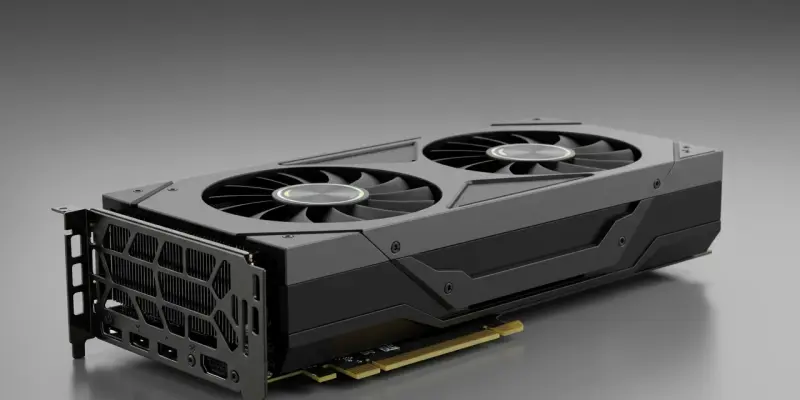
In a surprising turn of events, the tech community has been buzzing with leaked details about Nvidia’s anticipated RTX 5080 Super graphics card. This upcoming release is expected to be an enhanced version of the RTX 5080, a model that did not quite live up to expectations and stirred disappointment among users. While initial feedback pointed towards the need for a more substantial performance leap, Nvidia’s leaked information suggests a shift in focus. The RTX 5080 Super promises a significant memory upgrade, boasting 24GB of GDDR7 memory. This change reflects Nvidia’s emphasis on elevating memory capabilities rather than expanding the CUDA core count, which remains at 10,752, akin to its predecessor. Though this approach aims to remedy criticisms around the RTX 5080, it brings along new concerns about energy consumption, as reports indicate a remarkable increase in power draw.
Enhanced Memory Meets Increased Power Consumption
The spotlight on the RTX 5080 Super shines brightly on its memory enhancements, manifested through the transition to 24GB of high-speed GDDR7 memory. This improvement is poised to cater to demanding tasks and applications, ensuring greater efficiency in processing large datasets and complex graphical computations. However, this memory upgrade comes with a notable trade-off. As per the leaked details, the RTX 5080 Super is projected to have a thermal design power (TDP) exceeding 400W—a significant leap from the standard RTX 5080’s 360W. This heightened power consumption inevitably raises questions about the cooling mechanisms and infrastructural adjustments necessary to accommodate this change. Additionally, it underscores a critical consideration for potential buyers who are vigilant about energy efficiency and operational costs. Amid speculation about Nvidia’s strategy, this upgrade serves to balance increased performance with the practical challenges posed by greater power usage.
Market Speculation Surrounding Release and Strategy
While the performance facets of the RTX 5080 Super evoke interest, the absence of concrete release dates or pricing structures cultivates a sense of anticipation. Speculations thrive, suggesting an accelerated timeline for the card’s launch. This speculation is fueled by Nvidia’s competitive dynamics with AMD and the need to address feedback from the RTX 50 series rollout. Nvidia’s commitment to refining its offerings is evident in the Super refresh, aiming to bridge performance gaps while keeping user expectations in check. Nonetheless, prospective buyers remain on tenterhooks, pondering whether the rumored enhancements justify potential increases in cost and power consumption. In summary, while the card aims to rectify earlier shortcomings, consumers must weigh enhanced memory against the operational implications of increased power draw, a decision likely influenced by market competition, technological advancements, and evolving user demands.