

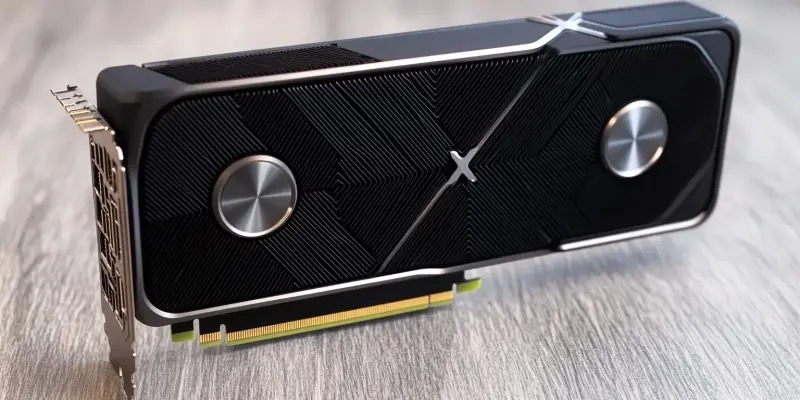
The launch of Nvidia’s RTX 50 series Blackwell GPUs nearly two months ago has been overshadowed by significant supply issues and scalper-driven price inflation. Despite Nvidia’s efforts to ramp up availability, individual consumers and system integrators are experiencing the brunt of elevated prices from both scalpers and distributors. The official MSRP for the RTX 5090 at $1,999 no longer holds true in the current market, with some custom PC builders witnessing prices ranging from $2,900 to over $3,300. This scenario is particularly troubling as the demand for these GPUs extends beyond gaming, heavily influenced by AI workload requirements.
Scalper Impact and Price Inflation
System Integrators’ Challenges
PowerGPU, a notable system integrator, has faced severe difficulties in securing RTX 5090 units, highlighting the wider industry struggle. The company is compelled to purchase the GPUs at highly inflated rates, often well above the MSRP, which forces them to pass on these elevated costs to their customers. Consequently, the price for gaming PCs outfitted with RTX 5090 GPUs has skyrocketed, affecting the affordability for many gamers. Similar trends are reported by other custom PC builders such as iBuyPower and Storm. These companies echo the same frustration, facing increased challenges to fulfill orders within reasonable timeframes and prices.
In an industry where timely and cost-effective delivery is crucial, these supply constraints and inflated pricing are resulting in significant delays and customer dissatisfaction. The scarcity of RTX 5090 units amplifies the pressure on system integrators, who must balance between managing customer expectations and securing limited high-demand components. Compounding the problem, the high demand for these GPUs for not just gaming but also for AI and machine learning applications means that the few available units are quickly snapped up, leaving many potential buyers without options.
Consumer Discontent
The widespread unavailability of reasonably priced RTX 50 series GPUs has left a palpable sense of frustration among consumers. While Nvidia has claimed to have shipped twice as many Blackwell GPUs compared to the launch of Ada Lovelace GPUs within the same period, end-users are still struggling to find these units at fair prices. Many consumers are left with the unsavory choice of either paying exorbitant prices or waiting indefinitely for prices to normalize. This predicament has driven some consumers to consider alternative options, such as turning to the used market for older GPU models like the Ampere (GeForce 30) and RDNA 2/3 series.
Beyond direct purchases, the ripple effects extend to gaming PC enthusiasts who frequently upgrade their systems. These users find themselves in a difficult position, either delaying their upgrades or settling for less powerful GPUs due to budget constraints. The frustration is compounded by the knowledge that Nvidia’s efforts to address these supply issues have not yet yielded significant relief. As a result, the community’s sentiment toward Nvidia is taking a hit, as unmet expectations continue to sour the consumer experience.
AMD’s Comparative Strategy
Radeon RX 9070 Series Availability
In contrast, AMD’s recent Radeon RX 9070 series launch has shown a relatively smoother rollout. Although not devoid of hiccups, AMD successfully managed to supply a substantial stock of Radeon RX 9070 and 9070 XT GPUs. By partnering with multiple board manufacturers, AMD could ensure better availability and more stable prices for their latest GPUs. This strategic approach has resulted in fewer delays for consumers seeking the latest in GPU technology, setting them apart from Nvidia’s current struggles. However, even with these improvements, some retailers have still inflated prices by up to $130 above the MSRP.
The relative availability and somewhat stable pricing of AMD’s Radeon RX 9070 series have offered consumers an appealing alternative to Nvidia’s RTX 50 series. Gamers and PC builders who might have opted for Nvidia’s newest offerings are now giving serious consideration to AMD, driven by the desire for better accessibility and value. This shift also highlights the importance of OEM partnerships and strategic planning in maintaining healthy supply chains and mitigating external pressures like scalping. AMD’s ability to navigate these challenges more effectively provides a notable contrast to Nvidia’s recent struggles.
Market Dynamics and Consumer Choice
Navigating the GPU market has become increasingly complex for consumers, with AMD and Nvidia’s contrasting strategies playing a crucial role. The higher-than-expected demand for Nvidia’s GPUs for AI workloads has driven some consumers to overpay for hardware, reflecting a broader trend where cutting-edge technology sees a premium due to multifaceted uses. The appeal of Nvidia’s prowess in AI applications can’t be understated, as many consumers are willing to pay a premium for these capabilities. Yet, AMD’s ability to provide a more consistent supply of GPUs enables gamers and PC builders to find viable alternatives without breaking the bank.
For consumers and system builders alike, these dynamics emphasize the need for a more strategic approach to purchasing and inventory management. As Nvidia continues to grapple with its supply chain challenges, AMD’s relatively stable launch serves as a reminder of the competitive nature of the GPU market. Long-term brand loyalty can be influenced by how well companies handle such crises, pushing Nvidia to reassess and innovate its strategies to regain trust and market share. The ongoing GPU shortage and price inflation scenarios underscore the multifaceted needs of today’s tech users, encompassing both gaming and industrial applications.
Exploring Future Solutions
Supply Chain Innovations
Addressing the root causes of these supply issues requires innovative solutions and greater transparency in Nvidia’s supply chain management. One potential avenue for improvement lies in diversifying Nvidia’s manufacturing partners and enhancing its logistical pipeline to ensure more consistent and widespread distribution. Strategic partnerships with additional foundries could alleviate some of the bottlenecks currently experienced. Furthermore, leveraging advanced supply chain analytics could provide Nvidia with better foresight and responsiveness to shifting market demands, enabling the company to preemptively counteract the effects of scalping and market inflation.
Continued investment in these areas would not only improve Nvidia’s reputation but also stabilize GPU prices, fostering longer-term consumer and industry trust. By prioritizing scalable production techniques and more resilient supply chain infrastructures, Nvidia can better fulfill the burgeoning demand for its products across various sectors. This approach would mitigate the adverse effects brought about by extreme price hikes and inventory shortages, ensuring more equitable access to cutting-edge technology.
Restoring Consumer Confidence
The release of Nvidia’s RTX 50 series Blackwell GPUs almost two months ago has been clouded by substantial supply shortages and price gouging driven by scalpers. Nvidia has been attempting to increase availability, but both individual consumers and system integrators face steep prices inflated by both scalpers and distributors. The official MSRP for the RTX 5090 is set at $1,999, but this price is no longer realistic in today’s market. Many custom PC builders are spotting prices that range from approximately $2,900 to over $3,300. This situation is particularly alarming since the demand for these GPUs goes beyond gaming. They are highly sought after for AI workload requirements, amplifying their scarcity and elevating their market value. The combination of high demand for both gaming and AI applications makes Nvidia’s efforts to stabilize the market even more complex. This challenge suggests that price normalization and adequate supply might still be a considerable distance away, despite the ongoing efforts to rectify the situation.