

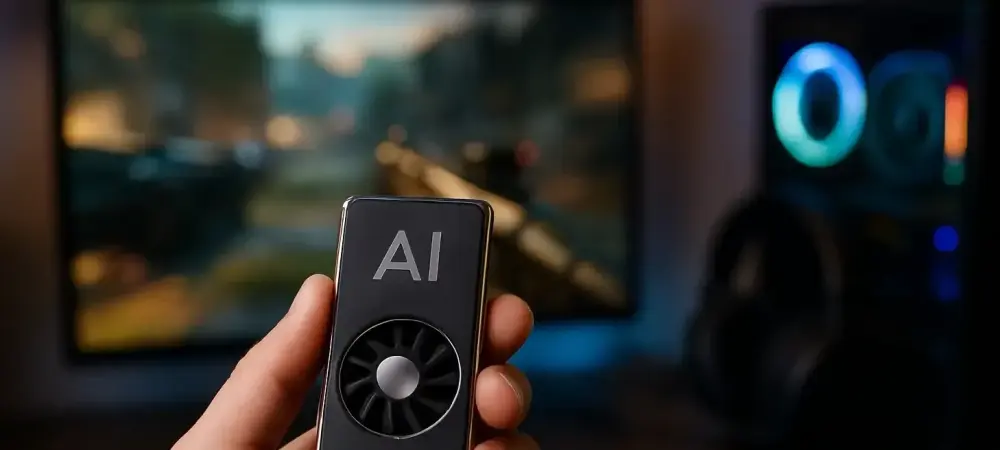
Imagine a gaming world where system optimization happens at the snap of a voice command, and graphical enhancements adapt seamlessly across both cutting-edge titles and nostalgic classics, bringing a new level of immersion to players everywhere. This is no longer a distant vision but a tangible reality with NVIDIA’s latest advancements in AI and software tools for RTX GPU users. These updates, centered on Project G-Assist and the NVIDIA App, are redefining how gamers and tech enthusiasts interact with their hardware, offering unprecedented control and efficiency.
Key Innovations in AI-Driven Gaming Tools
The spotlight shines on Project G-Assist, an on-device AI assistant crafted to manage and fine-tune RTX systems through intuitive voice and text inputs. This tool stands out with a remarkable 40% reduction in memory usage, ensuring it operates with a lighter footprint while maintaining swift and precise responses. Such efficiency makes it a valuable asset for users seeking seamless performance without taxing their systems.
Beyond memory optimization, Project G-Assist now boasts auto-selection of plugins tailored to specific tasks, streamlining workflows for users. Its compatibility has also expanded, supporting RTX AI PCs with 6GB or higher VRAM, a significant drop from previous thresholds. This broadened access, coupled with direct plugin integration from platforms like Mod.io, empowers a wider audience to leverage AI-driven customization.
Enhancements in System and Game Customization
Turning to the NVIDIA App, this central hub for gaming and system management has received substantial upgrades, especially for RTX 40 series GPUs. A notable addition is Smooth Motion, a software-level frame generation feature now fully integrated after a beta phase. While it extends compatibility to games without native DLSS support, users should note that visual fidelity might not rival full DLSS implementations.
Another advancement is the introduction of Global DLSS Overrides, simplifying the activation of Multi-Frame Generation or Super Resolution across multiple titles with a single setting. This eliminates the tedious process of per-game adjustments, enhancing user convenience. Additionally, the App incorporates legacy control panel options, such as anisotropic filtering and ambient occlusion, catering to classic game enthusiasts who crave modern graphical tweaks.
The NVIDIA App further enriches customization with features like NVIDIA Surround and ten new settings, ensuring users can tailor their experience to precise preferences. These updates reflect a commitment to blending modern innovation with support for older gaming ecosystems, striking a balance that appeals to diverse user needs.
Performance in Real-World Scenarios
In practical applications, Project G-Assist proves its worth on RTX notebooks by optimizing features like Max-Q and Battery Boost through dedicated laptop commands. This ensures efficient power management and performance tuning for mobile gamers, addressing the unique challenges of portable systems. Such capabilities highlight the AI’s role in enhancing on-the-go gaming experiences.
Meanwhile, the NVIDIA App transforms gameplay by applying frame generation and graphical enhancements to both new releases and vintage titles. Gamers can enjoy smoother visuals in unsupported titles via Smooth Motion or revive older games with updated 3D settings. These tools collectively elevate the quality of play, ensuring hardware potential is fully realized across varied gaming libraries.
Integration with platforms like Mod.io for plugins further amplifies real-world utility, allowing users to customize their setups with ease. From tweaking system parameters to enhancing visual output, these updates cater to a spectrum of use cases, demonstrating versatility in addressing individual gamer demands.
Industry Trends Shaping Gaming Technology
These advancements align with broader industry movements toward accessibility and user empowerment in gaming technology. NVIDIA’s focus on reducing memory demands and lowering VRAM requirements signals a push to democratize advanced features, making AI assistance and frame generation accessible to more hardware configurations. This trend underscores an inclusive approach to tech development.
Efficiency remains a core theme, as seen in the optimized responsiveness of Project G-Assist and streamlined settings in the NVIDIA App. Such efforts ensure that users, regardless of system specs, can tap into cutting-edge tools without performance trade-offs. This balance of power and simplicity is becoming a hallmark of modern gaming solutions.
Additionally, the emphasis on supporting both contemporary and legacy titles reflects a nuanced understanding of gaming communities. By catering to varied preferences, NVIDIA positions itself as a leader in bridging generational gaps, ensuring that technological progress does not leave behind the charm of classic gaming experiences.
Challenges Hindering Seamless Adoption
Despite the strides made, certain challenges persist with these technologies. The Smooth Motion feature, while broadening game compatibility, occasionally compromises on visual clarity compared to native DLSS, which may disappoint users prioritizing graphical fidelity. This trade-off remains a point of consideration for discerning gamers.
Compatibility issues also surface across diverse RTX hardware setups, as not all configurations may fully support the latest features without glitches. Technical hurdles in integrating plugins or applying global overrides can further complicate user experiences, necessitating ongoing refinement to ensure consistency.
Efforts to address these limitations are underway, with NVIDIA actively working to enhance visual output and hardware support. Overcoming these obstacles will be crucial for wider adoption, as users expect seamless functionality regardless of their system’s age or specifications.
Looking Ahead at AI and Gaming Integration
The trajectory for Project G-Assist and the NVIDIA App suggests deeper integration into gaming ecosystems over the coming years. Future updates might focus on further boosting AI efficiency, potentially reducing memory usage even more while enhancing response accuracy. Such progress could redefine system optimization standards. Expanded hardware support is another anticipated development, with possibilities of accommodating even lower VRAM thresholds or older RTX models. This would continue the trend of inclusivity, ensuring that advanced tools are not confined to high-end systems but reach a broader user base.
Moreover, deeper ties with gaming platforms and communities could emerge, fostering richer plugin ecosystems and customization options. As these tools evolve, their impact on gaming and tech industries might set new benchmarks for how AI and software synergize to elevate user control and performance.
Final Reflections on NVIDIA’s Technological Leap
Looking back, the updates to Project G-Assist and the NVIDIA App marked a pivotal moment in blending AI with gaming technology, offering enhanced efficiency and customization for RTX users. The strides in memory optimization and broadened compatibility tackled significant barriers, while new features addressed diverse gaming needs with finesse. Moving forward, users and developers alike should focus on testing these tools across varied scenarios to identify remaining gaps, advocating for updates that prioritize visual fidelity alongside accessibility. Exploring community-driven plugin development could also unlock untapped potential, ensuring these innovations continue to adapt to evolving gamer expectations.