
NVIDIA Investigates GeForce RTX 5090 GPU Issues Leading to Black Screens

Article Highlights
Off On

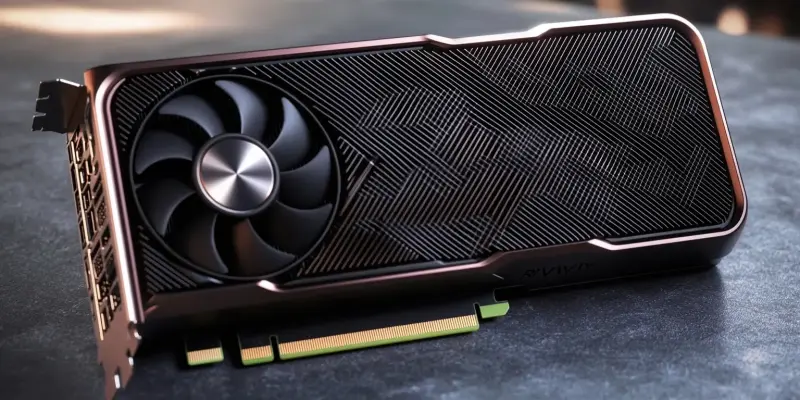
Numerous GeForce RTX 5090 and Chinese variant RTX 5090D GPU users are facing a significant issue as their graphics cards fail to power up their monitor display. After driver updates, these GPUs result in black screens, leaving users frustrated and unable to use their systems. Users have tried various troubleshooting methods, like resetting the BIOS or rolling back drivers, but these attempts have mostly been in vain. Compounding the problem, the bricked GPUs are often not recognized by the computer’s BIOS or Device Manager, leaving users with limited options.

The root cause of this troubling issue is speculated to be linked to either architectural or driver compatibility factors but not hardware-related flaws. NVIDIA has acknowledged the problem and is actively investigating it, although no specific solutions have been proposed yet. The company’s primary objective is to identify the cause of these malfunctions and develop a permanent fix for the affected GPUs.

NVIDIA’s investigation brings to light the complex nature of integrating new GPU architecture into existing systems, highlighting the importance of robust testing and compatibility checks. As end-users continue to express their concerns across various forums and help desks, the expectations for a prompt and effective resolution grow. Many users rely on these high-performance GPUs for tasks ranging from gaming to professional graphics work, and prolonged issues can substantially impact their productivity. The intensity of user reliance underscores the urgency for NVIDIA to swiftly address and resolve these issues.

Explore more

NMI Acquires Dwolla to Expand Bank Payment Infrastructure

The rapid consolidation of the financial services sector reached a critical juncture as major payment gateways transitioned from simple card processors into full-stack infrastructure providers capable of managing every aspect of money movement. NMI’s acquisition of Dwolla signals a shift in how businesses manage liquidity by merging card expertise with bank-payment rails. This deal highlights a growing necessity for unified

Trend Analysis: Alternative Assets in Wealth Management

The traditional dominance of the sixty-forty portfolio is rapidly dissolving as high-net-worth investors pivot toward the sophisticated stability of private market ecosystems. This transition responds to modern volatility and geopolitical instability. This analysis evaluates market data, real-world applications, and the strategic foresight required to navigate this new financial paradigm. The Structural Shift Toward Private Markets Market Dynamics and Adoption Statistics

Trend Analysis: Embedded Finance Performance Metrics

While the initial excitement surrounding the integration of financial services into non-financial platforms has largely subsided, the industry is now waking up to a much more complex and demanding reality where simple growth figures no longer satisfy cautious stakeholders. Embedded finance has transitioned from a experimental novelty into a foundational layer of the global digital infrastructure. Today, brands that once

How to Transition From High Potential to High Performer

The quiet frustration of being labeled “high potential” while watching peers with perhaps less raw talent but more consistent output secure the corner offices has become a defining characteristic of the modern corporate workforce. This “hi-po” designation, once the gold standard of career security, is increasingly viewed as a double-edged sword that promises a future that never seems to arrive

Trend Analysis: AI-Driven Workforce Tiering

The long-standing corporate promise of a shared destiny between employer and employee is dissolving under the weight of algorithmic efficiency and selective resource allocation. For decades, the “universal employee experience” served as the bedrock of corporate culture, ensuring that benefits and protections were distributed with a degree of egalitarianism across the organizational chart. However, as artificial intelligence begins to fundamentally