
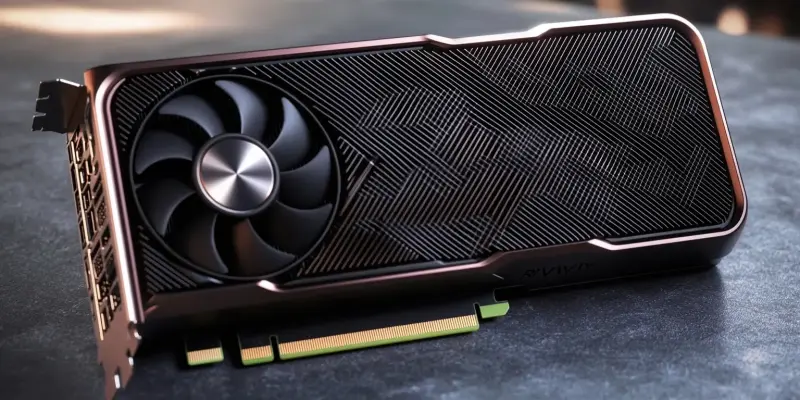
NVIDIA Investigates GeForce RTX 5090 GPU Issues Leading to Black Screens

Article Highlights
Off On

Numerous GeForce RTX 5090 and Chinese variant RTX 5090D GPU users are facing a significant issue as their graphics cards fail to power up their monitor display. After driver updates, these GPUs result in black screens, leaving users frustrated and unable to use their systems. Users have tried various troubleshooting methods, like resetting the BIOS or rolling back drivers, but these attempts have mostly been in vain. Compounding the problem, the bricked GPUs are often not recognized by the computer’s BIOS or Device Manager, leaving users with limited options.

The root cause of this troubling issue is speculated to be linked to either architectural or driver compatibility factors but not hardware-related flaws. NVIDIA has acknowledged the problem and is actively investigating it, although no specific solutions have been proposed yet. The company’s primary objective is to identify the cause of these malfunctions and develop a permanent fix for the affected GPUs.

NVIDIA’s investigation brings to light the complex nature of integrating new GPU architecture into existing systems, highlighting the importance of robust testing and compatibility checks. As end-users continue to express their concerns across various forums and help desks, the expectations for a prompt and effective resolution grow. Many users rely on these high-performance GPUs for tasks ranging from gaming to professional graphics work, and prolonged issues can substantially impact their productivity. The intensity of user reliance underscores the urgency for NVIDIA to swiftly address and resolve these issues.

Explore more

Hotels Must Rethink Recruitment to Attract Top Talent

With decades of experience guiding organizations through technological and cultural transformations, HRTech expert Ling-Yi Tsai has become a vital voice in the conversation around modern talent strategy. Specializing in the integration of analytics and technology across the entire employee lifecycle, she offers a sharp, data-driven perspective on why the hospitality industry’s traditional recruitment models are failing and what it takes

Trend Analysis: AI Disruption in Hiring

In a profound paradox of the modern era, the very artificial intelligence designed to connect and streamline our world is now systematically eroding the foundational trust of the hiring process. The advent of powerful generative AI has rendered traditional application materials, such as resumes and cover letters, into increasingly unreliable artifacts, compelling a fundamental and costly overhaul of recruitment methodologies.

Is AI Sparking a Hiring Race to the Bottom?

Submitting over 900 job applications only to face a wall of algorithmic silence has become an unsettlingly common narrative in the modern professional’s quest for employment. This staggering volume, once a sign of extreme dedication, now highlights a fundamental shift in the hiring landscape. The proliferation of Artificial Intelligence in recruitment, designed to streamline and simplify the process, has instead

Is Intel About to Reclaim the Laptop Crown?

A recently surfaced benchmark report has sent tremors through the tech industry, suggesting the long-established narrative of AMD’s mobile CPU dominance might be on the verge of a dramatic rewrite. For several product generations, the market has followed a predictable script: AMD’s Ryzen processors set the bar for performance and efficiency, while Intel worked diligently to close the gap. Now,

Trend Analysis: Hybrid Chiplet Processors

The long-reigning era of the monolithic chip, where a processor’s entire identity was etched into a single piece of silicon, is definitively drawing to a close, making way for a future built on modular, interconnected components. This fundamental shift toward hybrid chiplet technology represents more than just a new design philosophy; it is the industry’s strategic answer to the slowing