

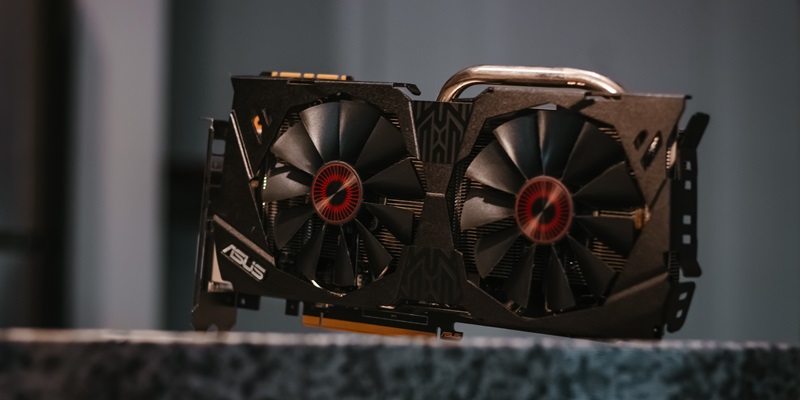
The gaming world is about to witness a revolution with the release of the highly anticipated NVIDIA GeForce RTX 4090 D graphics card. This powerful GPU is generating immense buzz among gamers and tech enthusiasts alike, as multiple manufacturers prepare to unleash their variants with innovative designs and remarkable cooling solutions. With a focus on performance, power efficiency, and cutting-edge features, the GeForce RTX 4090 D is set to redefine the gaming experience.
Manufacturer Variants
The leading manufacturers in the market have spared no effort in creating exceptional variants of the GeForce RTX 4090 D. MSI, a renowned name in the industry, will introduce the top SUPRIM X variant, boasting a massive cooler and an awe-inspiring design that promises unparalleled performance. ZOTAC, on the other hand, will launch a diverse range of five variants, including the PGF, Trinity, and AIRO series. The PGF RTX 4090 D stands out with its fantastic quad-slot design, accompanied by vibrant RGB LEDs and a remarkable triple-fan cooling solution. GALAX will contribute to the lineup with three variants, namely the 20th Anniversary Edition, Boomstart, and Metamaster. Additionally, GALAX has prepared an all-in-one liquid-cooled design, featuring a 360mm radiator and a compact casing for the card, ensuring efficient thermal management.
Performance Metrics
NVIDIA has shared some remarkable performance metrics for the GeForce RTX 4090 D, comparing it to its predecessor, the RTX 3090 Ti. The new graphics card promises an astonishing 3.5x performance boost with DLSS+RT in popular titles like Alan Wake 2. This significant leap in performance will allow gamers to immerse themselves in lifelike worlds with unprecedented realism and smooth gameplay. Furthermore, in terms of energy usage, the GeForce RTX 4090 D consumes slightly less power than the RTX 4090 across an extensive range of 22 tested games, showcasing NVIDIA’s commitment to energy efficiency.
Ada Lovelace Architecture Efficiency
One of the key highlights of the GeForce RTX 4090 D lies in its next-generation Ada Lovelace architecture. This architectural marvel demonstrates its superiority by outperforming not only NVIDIA’s older Ampere GPUs but also its competitors’ RDNA 3 GPUs in every aspect of performance, efficiency, and power consumption. The Ada Lovelace architecture’s efficiency propels the GeForce RTX 4090 D to new heights, setting a benchmark for future gaming graphics cards.
Chinese AI Chip Restrictions
In recent news, the US Department of Commerce, led by Secretary Gina Raimondo, has taken a lenient stance regarding the Chinese AI chip restrictions. Secretary Raimondo believes that NVIDIA should be allowed to sell chips to China, as they serve critical commercial applications, including gaming. This favorable perspective emphasizes the vital role that NVIDIA’s technology plays in global gaming and highlights the company’s potential to shape the future of the industry.
Pricing
Pricing is always a crucial factor for gamers considering a new graphics card. The GeForce RTX 4090 D is competitively priced, similar to its predecessor, with a manufacturer’s suggested retail price (MSRP) of 12,999 RMB, approximately equivalent to $1800 US. This pricing strategy ensures that the innovative features and unrivaled performance of the new GPU are accessible to a wide range of passionate gamers.
Leap in Performance and Efficiency
The NVIDIA GeForce RTX 4090 D represents a monumental leap in both performance and power efficiency over its predecessor. With its groundbreaking features, gamers can expect buttery-smooth gameplay, breathtaking visuals, and an immersive experience like never before. The precision and raw power of the GeForce RTX 4090 D will elevate gaming to new heights as every intricate detail comes to life on the screen.
As the NVIDIA GeForce RTX 4090 D prepares to enter the market, the gaming industry is on the cusp of a revolution. With its unmatched performance, efficient power consumption, and superior architecture, this GPU is set to redefine gaming experiences and set a new standard for the industry. Whether it’s competing in intense eSports tournaments or exploring vast virtual worlds, the GeForce RTX 4090 D promises to be the ultimate gaming powerhouse. Get ready to immerse yourself in the future of gaming with the NVIDIA GeForce RTX 4090 D.