
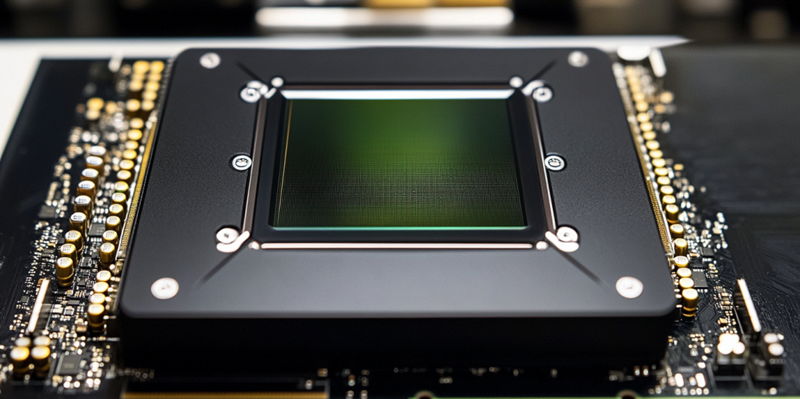
NVIDIA Eyes Samsung’s HBM3E for Boosting AI Product Demand

In a move that underscores the high stakes within the AI technology sector, NVIDIA is rapidly advancing its efforts to secure a reliable supply of High-Bandwidth Memory (HBM) from Samsung, with a particular focus on Samsung’s upcoming HBM3E chips. Despite earlier reports that Samsung failed to secure NVIDIA as a customer, Jensen Huang, NVIDIA’s CEO, has revealed that the company is in the process of certifying Samsung’s HBM3E chips. This initiative is critical as NVIDIA aims to acquire both 8-Hi and 12-Hi HBM3E chips to meet the escalating demand for its AI products.

Securing NVIDIA’s orders represents a significant opportunity for Samsung, which could see it positioned competitively against leading rivals like SK hynix. For Samsung, this partnership with NVIDIA could be a decisive factor in boosting investor confidence and further solidifying its position in the semiconductor market. With NVIDIA’s access to Samsung’s extensive semiconductor resources, the potential benefits are substantial for both parties. This collaborative effort underscores the complex and crucial nature of the certification process and suggests that, upon successful completion, Samsung’s standing in the AI sector could experience a tremendous boost.

The significance of this collaboration extends beyond mere certification. Should Samsung successfully secure NVIDIA as a partner, it would mark a pivotal moment in Samsung’s ambitions within the AI market. This partnership indicates not just a single transactional relationship but could pave the way for more profound, long-term collaborations. For NVIDIA, ensuring a steady supply of HBM3E chips is essential to maintain its competitive edge and cater to the growing demands of AI technology. Consequently, this partnership, if successfully forged, could lead to a more bullish outlook for Samsung, reflecting its strategic maneuvering in the evolving landscape of AI and semiconductor tech.

Conclusively, Samsung’s future in the AI market seemed to hinge significantly on this certification and prospective partnership with NVIDIA. Both companies stood to gain immensely from this cooperation; Samsung enhanced its foothold in the HBM market while NVIDIA fortified its supply chain with robust semiconductor resources.

Explore more

Falling Ether Prices Trigger DeFi Liquidation Stress

The sudden and precipitous decline of Ether prices below the critical psychological support level of $2,000 triggered a cascading wave of automated liquidations across the decentralized finance landscape, exposing the inherent fragility of highly leveraged on-chain positions. In May 2026, the market witnessed an unprecedented stress test when nearly $1 billion in digital assets were liquidated within a single twenty-four-hour

Bitcoin Faces Bear Market Risk as Key Technicals Falter

The digital asset landscape is currently grappling with a significant shift in momentum as Bitcoin struggles to maintain its footing above critical price thresholds that previously served as reliable foundations for bullish growth. Recent market movements have revealed a fragility that few anticipated during the optimistic rallies of the previous quarter, leading many analysts to suggest that a transition into

Can Project Agorá Modernize Global Cross-Border Payments?

The current infrastructure governing international financial transfers relies on a fragmented web of correspondent banking relationships that frequently result in delays, high costs, and a lack of transparency for businesses operating across borders. While domestic payment systems have undergone significant digital transformations, the mechanics of moving capital between different jurisdictions remain surprisingly antiquated, often involving manual reconciliations and multiple intermediary

Is Your Aging GPU Still Ready for 2026 AAA Games?

The rapid pace of technological advancement in the early part of this decade left many PC enthusiasts wondering if their expensive hardware would become obsolete within just a few years of its initial release. This concern was particularly prevalent during the early 2020s when rapid architectural leaps and the heavy demands of ray tracing made older hardware feel insufficient for

12GB RAM Becomes the New Standard for AI Phones in 2026

The mobile industry has reached a pivotal juncture where the internal specifications of a smartphone are no longer just about benchmarks or vanity metrics but are instead defined by the fundamental ability to process intelligence on the fly. For several years, manufacturers competed on superficial features like screen brightness or camera megapixels, yet the current landscape focuses almost entirely on