
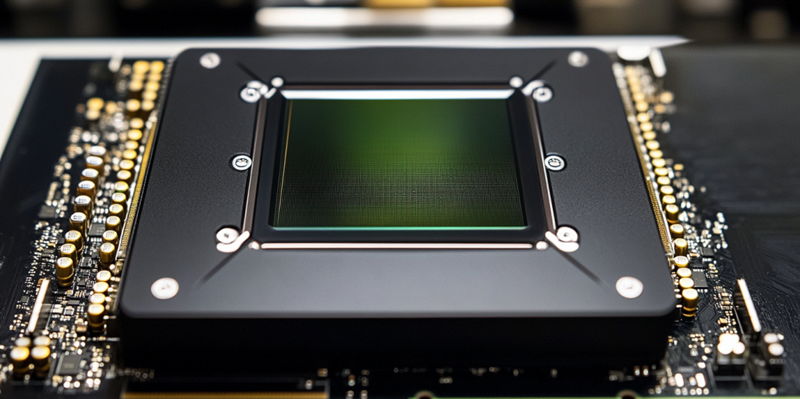
NVIDIA Eyes Samsung’s HBM3E for Boosting AI Product Demand

In a move that underscores the high stakes within the AI technology sector, NVIDIA is rapidly advancing its efforts to secure a reliable supply of High-Bandwidth Memory (HBM) from Samsung, with a particular focus on Samsung’s upcoming HBM3E chips. Despite earlier reports that Samsung failed to secure NVIDIA as a customer, Jensen Huang, NVIDIA’s CEO, has revealed that the company is in the process of certifying Samsung’s HBM3E chips. This initiative is critical as NVIDIA aims to acquire both 8-Hi and 12-Hi HBM3E chips to meet the escalating demand for its AI products.

Securing NVIDIA’s orders represents a significant opportunity for Samsung, which could see it positioned competitively against leading rivals like SK hynix. For Samsung, this partnership with NVIDIA could be a decisive factor in boosting investor confidence and further solidifying its position in the semiconductor market. With NVIDIA’s access to Samsung’s extensive semiconductor resources, the potential benefits are substantial for both parties. This collaborative effort underscores the complex and crucial nature of the certification process and suggests that, upon successful completion, Samsung’s standing in the AI sector could experience a tremendous boost.

The significance of this collaboration extends beyond mere certification. Should Samsung successfully secure NVIDIA as a partner, it would mark a pivotal moment in Samsung’s ambitions within the AI market. This partnership indicates not just a single transactional relationship but could pave the way for more profound, long-term collaborations. For NVIDIA, ensuring a steady supply of HBM3E chips is essential to maintain its competitive edge and cater to the growing demands of AI technology. Consequently, this partnership, if successfully forged, could lead to a more bullish outlook for Samsung, reflecting its strategic maneuvering in the evolving landscape of AI and semiconductor tech.

Conclusively, Samsung’s future in the AI market seemed to hinge significantly on this certification and prospective partnership with NVIDIA. Both companies stood to gain immensely from this cooperation; Samsung enhanced its foothold in the HBM market while NVIDIA fortified its supply chain with robust semiconductor resources.

Explore more

Hotels Must Rethink Recruitment to Attract Top Talent

With decades of experience guiding organizations through technological and cultural transformations, HRTech expert Ling-Yi Tsai has become a vital voice in the conversation around modern talent strategy. Specializing in the integration of analytics and technology across the entire employee lifecycle, she offers a sharp, data-driven perspective on why the hospitality industry’s traditional recruitment models are failing and what it takes

Trend Analysis: AI Disruption in Hiring

In a profound paradox of the modern era, the very artificial intelligence designed to connect and streamline our world is now systematically eroding the foundational trust of the hiring process. The advent of powerful generative AI has rendered traditional application materials, such as resumes and cover letters, into increasingly unreliable artifacts, compelling a fundamental and costly overhaul of recruitment methodologies.

Is AI Sparking a Hiring Race to the Bottom?

Submitting over 900 job applications only to face a wall of algorithmic silence has become an unsettlingly common narrative in the modern professional’s quest for employment. This staggering volume, once a sign of extreme dedication, now highlights a fundamental shift in the hiring landscape. The proliferation of Artificial Intelligence in recruitment, designed to streamline and simplify the process, has instead

Is Intel About to Reclaim the Laptop Crown?

A recently surfaced benchmark report has sent tremors through the tech industry, suggesting the long-established narrative of AMD’s mobile CPU dominance might be on the verge of a dramatic rewrite. For several product generations, the market has followed a predictable script: AMD’s Ryzen processors set the bar for performance and efficiency, while Intel worked diligently to close the gap. Now,

Trend Analysis: Hybrid Chiplet Processors

The long-reigning era of the monolithic chip, where a processor’s entire identity was etched into a single piece of silicon, is definitively drawing to a close, making way for a future built on modular, interconnected components. This fundamental shift toward hybrid chiplet technology represents more than just a new design philosophy; it is the industry’s strategic answer to the slowing