

A New Frontier Fusing Artificial Intelligence with the Power Grid
The relentless expansion of artificial intelligence is creating an unprecedented demand for computational power, a demand that is beginning to strain both digital and energy infrastructures. In response, a pioneering collaboration between NVIDIA, the Electric Power Research Institute (EPRI), Prologis, and InfraPartners is testing a revolutionary solution: embedding smaller, powerful AI data centers directly at the edge of the power grid. This initiative represents a critical paradigm shift, moving away from centralized mega-data centers toward a distributed, responsive, and resilient network. This article will explore the strategic vision behind this pilot project, dissecting the symbiotic relationship between advanced computing and existing energy assets, and analyzing its potential to redefine the future of both AI deployment and grid management.
The Inevitable Collision Centralized Computing Meets Grid Limitations
For decades, the digital economy has been built upon the model of massive, centralized data centers—sprawling campuses that concentrate immense computational power in a single location. While this approach served the cloud computing era well, the rise of generative AI has exposed its limitations. AI workloads are notoriously power-hungry, and the approval and construction of new high-voltage transmission lines needed to power these giga-scale facilities can take years, creating a significant bottleneck for innovation. This growing tension between the urgent need for more AI compute and the slow, capital-intensive process of grid expansion has created an inflection point, forcing industry leaders to rethink the fundamental architecture of digital infrastructure and seek solutions that work with, not against, the existing energy landscape.
Deconstructing the Grid-Edge AI Model
The Strategic Value of Underutilized Capacity
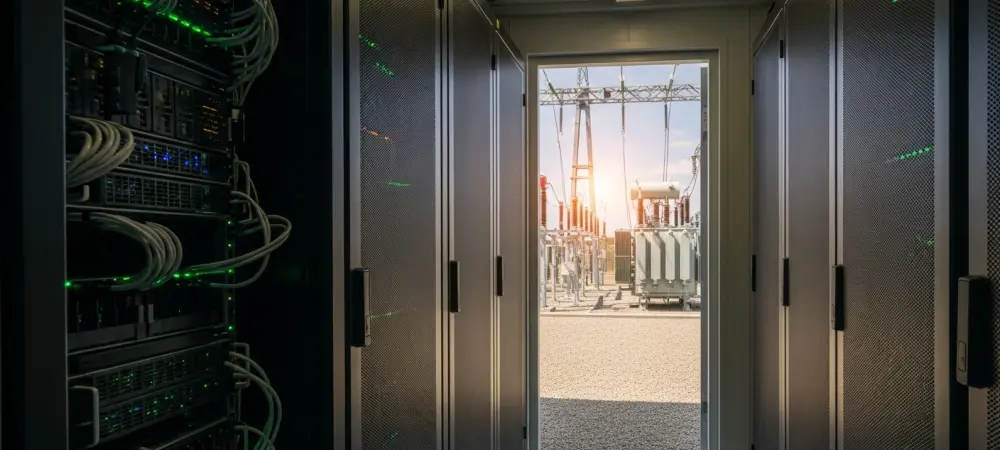
The core strategy of this pilot project is to identify and leverage a hidden asset within the nation’s energy infrastructure: unused capacity at utility substations. Instead of drawing massive amounts of power over long distances, this model proposes deploying modular 5-to-20-megawatt AI data centers directly adjacent to these power sources. By doing so, the project sidesteps the primary obstacle of transmission congestion and lengthy interconnection queues. The goal to establish at least five pilot sites across the United States serves as a real-world test bed to prove the concept’s viability. The primary benefit is speed; tapping into existing power reserves dramatically shortens deployment timelines from years to months, while the main challenge lies in identifying the optimal substation locations that balance power availability with proximity to data-generating end-users.
A Symbiotic Partnership Forging a New Blueprint
This ambitious initiative is made possible by a carefully orchestrated collaboration where each partner provides a critical piece of the puzzle. NVIDIA supplies the technological core with its GPU-accelerated computing platforms, the engines designed for high-performance AI workloads. EPRI, a leading energy research organization, lends its deep grid expertise to identify ideal substation sites and analyze the project’s impact on grid stability and reliability. Prologis, a global leader in logistics real estate, offers the land and development solutions necessary to build and commercialize these facilities. Finally, InfraPartners contributes specialized high-density power solutions to efficiently connect the computing hardware to the grid. This multi-faceted approach creates a holistic, end-to-end blueprint for deploying AI infrastructure that is both technologically advanced and logistically sound.
Powering Real-Time AI While Stabilizing the Grid
The ultimate goal extends beyond simply building data centers more quickly. By placing computational resources closer to where data is generated, this model is purpose-built for distributed, real-time AI inference. Sectors like logistics, autonomous systems, healthcare, and finance can benefit from lower latency and faster decision-making. Simultaneously, this approach offers significant advantages for grid management. Rather than creating a single, massive point of strain, these distributed data centers represent a predictable and manageable load that can help stabilize local grids. This design can also facilitate the integration of renewable energy sources, as the data centers can potentially modulate their power consumption to align with the intermittent availability of solar and wind power, turning a major energy consumer into a strategic grid asset.
The Future Trajectory A Distributed Network of Intelligent Nodes
The success of this pilot could catalyze a fundamental shift in how digital infrastructure is designed and deployed. The future may not be dominated by a handful of colossal data centers but by a vast, distributed network of smaller, highly efficient AI nodes seamlessly integrated into the fabric of the electrical grid. This trend toward decentralization could accelerate AI adoption across industries by lowering the barrier to entry for high-performance computing. We can expect to see the emergence of “AI-ready” industrial and commercial zones, where power availability and data processing capabilities become co-located by design. This evolution will likely spur new regulatory frameworks and energy market mechanisms that recognize and reward the grid-stabilizing potential of distributed data centers.
Strategic Implications and Actionable Insights
The key takeaway from this initiative is that the future of AI is inextricably linked to the future of energy infrastructure. The collaboration demonstrates that innovative, cross-industry partnerships are essential to solving the complex challenges posed by AI’s exponential growth. For businesses, this pilot offers a new model for deploying AI capabilities with greater speed and efficiency, bypassing traditional infrastructure bottlenecks. Energy providers and utility operators should view this as an opportunity to monetize underutilized assets and partner with the tech industry to create a more resilient and responsive grid. The primary recommendation is to move beyond siloed thinking and foster integrated planning between the technology, real estate, and energy sectors to build the synergistic infrastructure required for the AI-driven economy.
A Conclusive Vision for a Smarter Future
NVIDIA and its partners are not just building data centers; they are architecting a new, more intelligent relationship between computation and energy. By treating the power grid as a dynamic platform rather than a static resource, they are creating a scalable and sustainable path for AI expansion. This pilot project serves as a powerful proof-of-concept for a future where digital and electrical infrastructures are developed in concert, unlocking new efficiencies and enabling a wave of real-time, AI-powered innovation. The long-term significance of this approach lies in its potential to build a more resilient, decentralized, and intelligent foundation for the digital world, ensuring that technological progress and energy sustainability can advance hand in hand.