

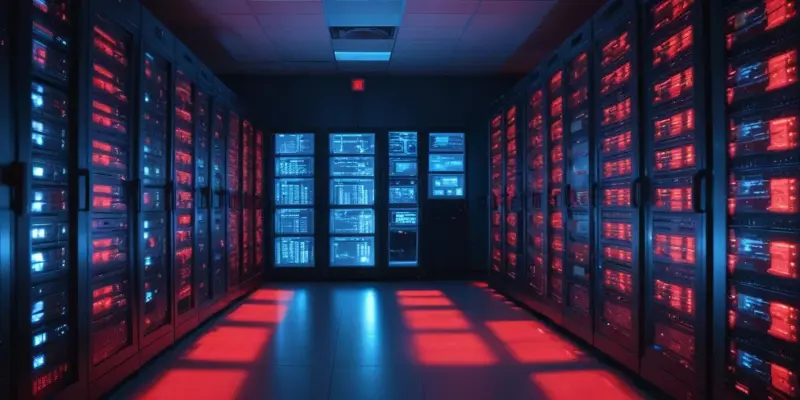
As the digital age progresses, the energy demands of data centers continue to surge. This increasing need for electricity has prompted the exploration of alternative and sustainable power sources. Deloitte’s recent analysis highlights that data center electricity demand could multiply fivefold to reach 176 GW by 2035. Such a substantial rise necessitates a reliable and efficient energy solution, and nuclear power emerges as a promising candidate. With its steady output and low carbon emissions, nuclear power can play a pivotal role in meeting this burgeoning demand.
The Potential of Nuclear Power in the Energy Mix
Advantages of Nuclear Power for Data Centers
Nuclear power offers several advantages that make it particularly suitable for supporting the energy needs of data centers. One key benefit is the provision of reliable baseload power, ensuring a continuous and stable supply of electricity. This is crucial for data centers, which require uninterrupted operation to maintain the integrity of stored and processed data. Moreover, nuclear power plants boast high energy density, meaning they can generate a significant amount of energy from a relatively small amount of fuel. This makes them efficient in terms of both space and resource utilization.
Another notable advantage is the scalability of nuclear power output. As technology advances, small modular reactors (SMRs) are gaining prominence. These smaller units can be deployed incrementally, allowing for flexible scaling of power generation to match the growing demands of data centers. Additionally, nuclear power generation is characterized by minimal carbon emissions. In an era where reducing the carbon footprint is paramount, nuclear energy presents a viable solution for achieving sustainability goals while catering to extensive energy requirements.
Current Nuclear Initiatives and Investments
At present, over 90 nuclear plants contribute approximately 20% of the United States’ electricity supply. The momentum in nuclear projects is evident as major technology companies like Amazon, Google, and Microsoft invest in SMRs and other nuclear power initiatives. For instance, Meta has sought proposals for 4 GW of reactor capacity, reflecting the industry’s significant interest in leveraging nuclear power. Additionally, Oklo has entered agreements to provide up to 12 GW of electricity to data center operator Switch, illustrating an active transition towards nuclear energy. These investments indicate a growing recognition of nuclear power’s potential to address the energy needs of data centers. The incorporation of nuclear energy into the power mix aligns with the broader objective of achieving a balanced, sustainable energy portfolio. As data centers expand and consume more power, these nuclear initiatives are expected to play a critical role in meeting the rising electricity demand.
Challenges and Considerations
Public Opinion and Operational Efficiency
Despite the numerous advantages, public opinion on nuclear power in the United States remains complex and evolving. Concerns about safety, waste management, and past nuclear accidents influence public perception, posing challenges to the widespread adoption of nuclear energy. Enhancing public trust and confidence through transparent communication and demonstrating the safety of modern nuclear technologies will be crucial for gaining broader acceptance.
Additionally, operational efficiency is a significant consideration. Deloitte’s report underscores the necessity for nuclear organizations to streamline operations, mitigating construction delays and cost overruns. Innovative approaches to safety and waste management are essential, as these issues remain paramount in public discourse. Addressing these operational challenges will not only improve efficiency but also reinforce the perception of nuclear power as a reliable and safe energy source.
Geopolitical Concerns and Supply Chain Security
Geopolitical concerns also play a critical role in the adoption of nuclear power. The supply of enriched uranium, a key component for nuclear fuel, is largely dependent on foreign sources, including Russia and China. This reliance raises concerns about supply chain security and the potential impact of geopolitical tensions on the availability of nuclear fuel. To mitigate these risks, it is imperative to develop strategies for diversifying uranium supply sources and investing in domestic enrichment capabilities.
Furthermore, fostering collaboration among nuclear organizations, government entities, and international partners can enhance the resilience and stability of the nuclear supply chain. By addressing these geopolitical challenges, the nuclear industry can ensure a secure and consistent supply of fuel, thereby bolstering the viability of nuclear power as a solution for the energy demands of data centers.
Future Outlook and Strategic Considerations
The Role of Nuclear Power in the Energy Landscape
In summary, nuclear power presents a significant opportunity to meet the soaring energy demands of data centers. The advantages of reliable baseload power, high energy density, and low carbon emissions position nuclear energy as a viable solution for addressing these growing needs. The active investments and initiatives by major technology companies highlight the industry’s confidence in nuclear power’s potential to support the expanding digital infrastructure.
However, several challenges, including public opinion, operational efficiency, safety, waste management, and geopolitical factors, must be addressed to achieve broader adoption of nuclear energy. Enhancing public trust, streamlining operations, ensuring supply chain security, and maintaining a focus on safety will be crucial in leveraging the full potential of nuclear power.
Strategic Pathways for Adoption
As technology evolves in the digital age, the energy requirements of data centers are skyrocketing. This escalating need for electricity has led to the search for innovative and sustainable energy sources. Deloitte’s recent analysis suggests that the energy demand from data centers could grow five times to reach an astounding 176 GW by 2035. Such a dramatic increase means that a dependable and efficient power solution is imperative, making nuclear power an attractive option. Known for its consistent output and minimal carbon emissions, nuclear energy stands out as a viable solution to address this growing demand. However, leveraging nuclear power for data centers will require addressing public concerns about safety and waste disposal. Integrating nuclear energy into the existing power infrastructure may pose challenges, but it offers a way to sustainably power the increasingly essential data centers. Consequently, nuclear power could play an essential role in ensuring that data centers operate efficiently while minimizing their environmental footprint and meeting the expanding requirements of the digital age.