

Introduction
The global smartphone market is witnessing a tectonic shift as boutique brands transition from niche design houses into high-volume manufacturing powerhouses capable of challenging the established status quo. This exploration delves into the 2027 strategic roadmap for Nothing, focusing on how the brand intends to amplify its market presence and diversify its product catalog. It specifically examines the shift toward mass-market competitiveness while maintaining a commitment to transparency and unique aesthetics.
Readers can expect to learn about the recovery from the supply chain hurdles encountered in 2026 and the specific initiatives designed to leverage community engagement. The narrative details how the company balances its boutique identity with the aggressive demands of global scaling. By analyzing the current expansion, this article provides a comprehensive overview of how a younger tech firm navigates the complexities of production and consumer expectation.
Key Questions: Exploring the 2027 Strategic Shift
What Defines the Strategic Growth for Nothing Starting in 2027?
Akis Evangelidis, the President of Nothing India, recently detailed a significant pivot that will see the company double its handset output over the next twelve months. In 2026, the company maintained a focused portfolio consisting of the Phone (4a), the Phone (4a) Pro, and the budget-oriented Phone (4b), yet the upcoming 2027 cycle promises at least six new models. This rapid expansion marks a transition from a boutique operation to a high-volume competitor.
By diversifying the lineup, the brand seeks to capture various price segments that were previously underserved by its minimalist release schedule. This growth is not merely about numbers but about establishing a presence in every tier of the consumer market. The strategy aims to transform the brand into a household name that offers both premium and affordable options without sacrificing its core design principles.
How Did Economic Factors in 2026 Influence the Current Expansion?
The decision to scale so aggressively follows a period of calculated restraint caused by the global semiconductor instability that defined much of 2026. Rising costs for storage chips and a widespread RAM crisis forced many manufacturers to rethink their production strategies to avoid financial overextension. Nothing responded by tightening its belt and ensuring that every product launched had a clear market purpose.
During that time, the company opted to skip a traditional flagship release, focusing instead on mid-range accessibility with devices like the Phone (4b). This fiscal discipline ensured that the company remained solvent and prepared to flood the market once supply chains stabilized and manufacturing expenses became more predictable. The current surge is a direct result of that carefully managed recovery period.
What Role Does the Nothing Co-Creation Program Play in This Shift?
Maintaining a unique brand identity while scaling production requires more than just hardware; it demands a deep connection with the core user base. The Nothing Co-Creation Program, headquartered in Delhi, serves as the primary vehicle for this engagement by inviting community members to influence the development process. This initiative allows for a more democratic approach to consumer electronics design.
Participants gain early access to 2027 prototypes, providing feedback that directly shapes the final retail versions of the hardware. This collaborative environment ensures that the increase in volume does not result in a loss of the community-first spirit that initially propelled the brand to global recognition. It bridges the gap between a corporate entity and its most passionate advocates.
How Does Nothing Plan to Compete in a Saturated Market?
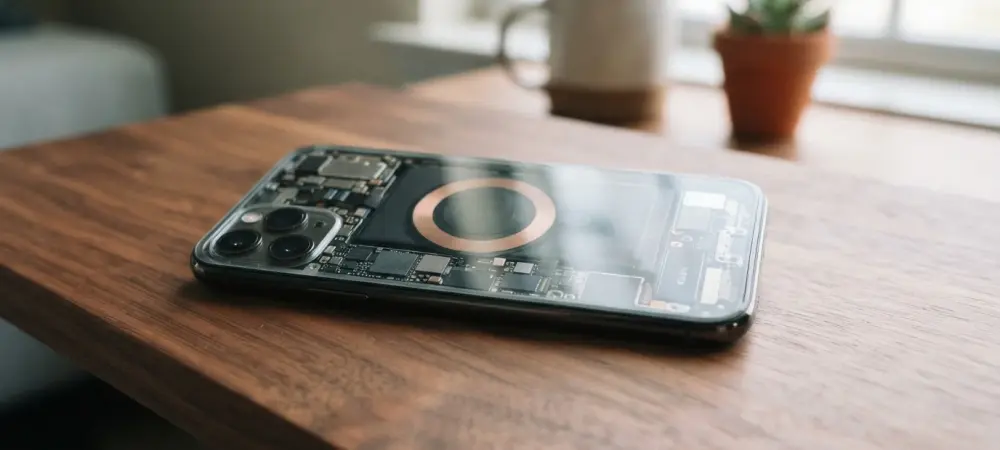
Competition within the premium and mid-range smartphone sectors remains fierce, with established giants like OnePlus and Google Pixel dominating the conversation. However, Nothing distinguishes itself through a commitment to design innovation and a bloatware-free software environment that appeals to tech enthusiasts. The company leverages its transparency and distinctive visual language to stand out in a sea of identical glass slabs.
As the company increases its market presence, the focus shifts toward whether these aesthetic and functional differences can attract a broader demographic. By offering a clean user interface and a unique hardware experience, the firm positions itself as a refreshing alternative to the often-repetitive designs found in the current mobile landscape. Success depends on maintaining this identity while reaching millions of new customers.
Summary or Recap
The 2027 expansion signifies a major milestone for Nothing as it evolves from a cautious market participant into a major industry player. The strategy balances financial recovery with an aggressive increase in product variety and community involvement. These efforts reflect a broader goal of establishing a sustainable and recognizable footprint in the global technology sector.
The brand remains focused on delivering high-quality hardware while navigating the complexities of a volatile economy. By doubling its output and engaging directly with its audience, the company is preparing for a future defined by growth and innovation. This period of development serves as a blueprint for how modern tech brands can scale without losing their original vision.
Conclusion or Final Thoughts
The strategic decisions made during the 2026 fiscal year provided the necessary foundation for the massive growth observed in 2027. It was clear that the company prioritized long-term stability over short-term gains, allowing it to navigate economic headwinds successfully. This period of expansion ultimately redefined the brand’s role within the competitive mobile industry.
Stakeholders and consumers alike should have looked toward the upcoming release cycles as a test of the company’s ability to maintain quality at scale. The transition from a startup mentality to a global manufacturer required a delicate balance of creativity and logistical precision. Ultimately, the focus on community feedback and unique design helped the firm carve out a distinct space in a crowded market.