

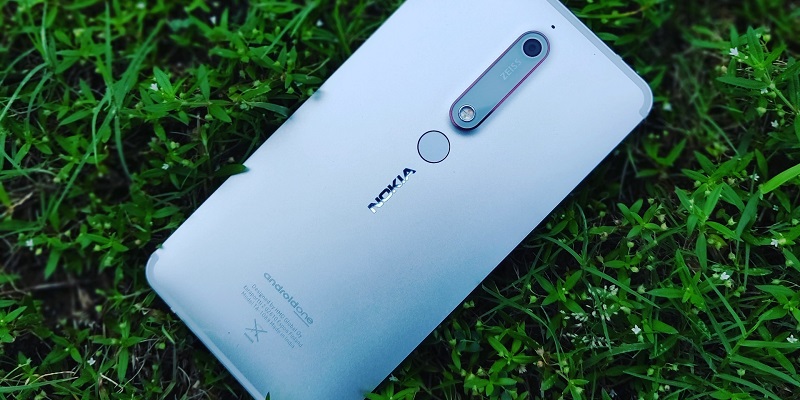
Nokia, the Finnish telecommunications company, has always been known for its phones’ durability. And its newest smartphone, the Nokia XR21, does not disappoint. The Nokia XR21 is designed to be one of the most waterproof phones on the market, capable of handling even the most extreme water conditions. Let’s take an in-depth look at this phone’s features and what makes it the ultimate device for adventurous individuals.
The IP Rating System and Nokia’s IP69K Rating
The Nokia XR21 has an impressive IP rating of IP69K, which stands for “Ingress Protection.” The IP rating system is used to measure a device’s resistance to foreign bodies like dust and water. This rating is a significant improvement over previous phones Nokia has released, and is considered more rugged. Phones that receive an IP rating must meet specific standards, including a certain level of protection from dust and water.
The Nokia XR21’s IP69K rating is a rare feat on a consumer smartphone. This rating is typically used in industrial settings, and it is designed to withstand high water pressure and high temperatures. Still, Nokia is taking it to the next level by bringing it to a consumer device.
Durability and Design of the Nokia X21
The Nokia XR21 is designed with durability in mind. Its housing is made from sturdy materials to protect against drops, scratches, and damage from the elements. The 6.49-inch display is covered with Gorilla Glass Victus, which is scratch-resistant and can withstand drops. Additionally, the phone’s edges are reinforced to provide extra protection when dropped.
The Nokia XR21 is available in two colors that suit the phone’s rugged lifestyle appeal: the understated Midnight Black and the trendy Pine Green. And while the phone is on a heavier side, weighing in at 248 grams, it’s designed to be carried around by someone who is always on the go.
Powerful performance
As for its performance, the Nokia XR21 sits in the mid-range category with the Snapdragon 695 5G. This processor ensures that the phone’s connectivity is fast. However, the Nokia XR21 delivers on its promise of durability over raw processing power. There are 6GB of RAM, and it can hold up to 128GB of storage.
Dual camera for ultimate adventure photos and videos
The Nokia XR20 provides excellent camera specifications to take stunning photos while on adventures. This phone has a dual-camera setup, with the main camera at 64 megapixels and an 8-megapixel ultrawide lens. With this camera setup, taking photos and videos on the go becomes a breeze and captures moments in high quality.
Battery Life
The Nokia XR21 is equipped with a 4500mAh battery, which should last for over a day with normal usage. It also has an 18W fast-charging capability, so users should be able to top up the battery when required.
Price
At £499.99, there are devices available with more power than the Nokia XR21. But, as mentioned earlier, this phone is meant for individuals who require durability in a device that can handle their adventures. The higher price tag may be worth it for those seeking a smartphone that can handle any kind of abuse.
The Nokia XR21 is an excellent choice for individuals who like to take their phone with them wherever they go. With its durable design, water-resistant rating, and high-quality camera, the Nokia XR21 offers a great value proposition to people who need a device that can withstand the hazards of adventuring. This phone is an investment that will last long and provide excellent performance whenever it’s needed. The Nokia XR21 is the ultimate phone for adventurers, and there are not many devices out there like it.