

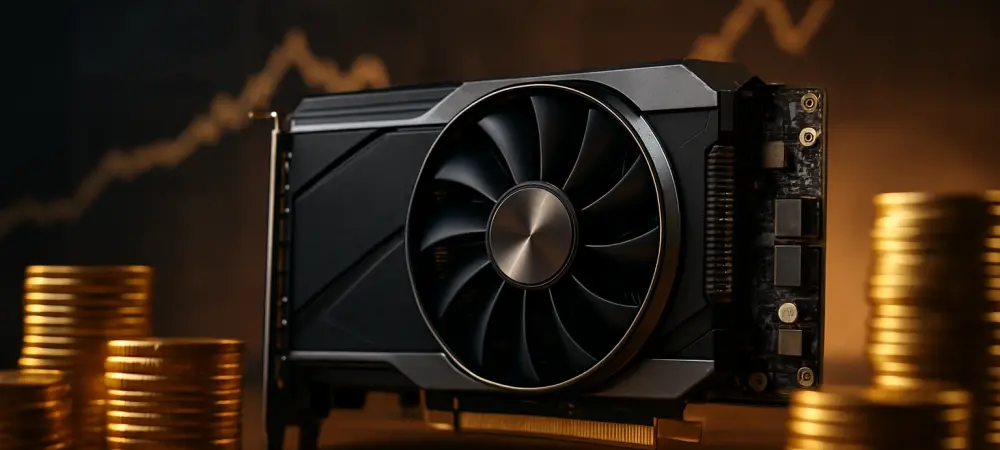
The Coming Storm: Why Your Next Gaming PC Upgrade Will Cost a Fortune
The excitement surrounding the launch of NVIDIA’s “Blackwell” and AMD’s “RDNA 4” graphics cards has been overshadowed by a sobering financial forecast. A perfect storm of surging manufacturing costs and insatiable demand from the artificial intelligence sector is triggering an unprecedented price hike for consumer GPUs. This analysis explores the critical factors driving this trend, revealing how the collision of supply-chain pressures and the AI gold rush is reshaping the market and making the affordable, high-end gaming rig a distant reality.
A Familiar Story: Echoes of the Crypto Boom and Chip Shortage
The prospect of GPU scarcity and inflated prices is not new. Many recall the “crypto winter,” where miners bought cards by the pallet, leaving shelves bare. This was followed by the global chip shortage, which further demonstrated the market’s vulnerability. These past events illustrate a recurring pattern: when a profitable new industry vies for the same hardware, consumers feel the impact. However, the current surge is driven by a force far larger and more permanent than crypto mining, promising a structural market shift.
The Dual-Front War on GPU Affordability
The Hidden Tax: Soaring DRAM Costs Inflate Production
Before a single GPU is diverted, its base price is already climbing due to manufacturing challenges. A primary culprit is the rising cost of DRAM, a critical component for GPU performance. Industry sources indicate that memory components alone contribute to an 80% increase in the total production cost of a next-generation GPU. This hard cost is baked into the bill of materials, meaning the Manufacturer’s Suggested Retail Price (MSRP) for cards like the RTX 5090 starts at a significantly higher baseline.
The AI Gold Rush: Consumer Cards Diverted from Gaming Rigs
Compounding rising production costs is the immense demand from the AI industry. Reports of NVIDIA cutting production of cards like the GeForce RTX 5060 Ti are misleading; production levels are stable, but a vast portion of inventory is being acquired directly by specialized AI firms in Asia. These companies repurpose consumer GPUs for AI workloads as a cost-effective alternative to enterprise hardware. This siphoning of supply creates an artificial scarcity in the consumer channel, forcing gamers to compete for a smaller pool of cards.
The Rise of Shadow Markets: Custom Mods and Corporate Hoarding
The AI industry’s hunger for GPU power has spawned a sophisticated secondary market. This extends beyond simple bulk purchasing, evidenced by third-party modders creating custom “32 GB AI” variants of consumer GPUs modified for AI tasks. This trend signifies a deeper market shift, with a global industry built around deploying modified consumer hardware for enterprise AI. This corporate-level hoarding further strains the limited supply and puts more upward pressure on prices.
The 2026 Outlook: A Bleak Forecast for PC Builders
The current market is proving exceptionally expensive for consumers. Price hikes began with AMD’s Radeon RX 9000 series in January, followed by NVIDIA’s RTX 50 “Blackwell” series in February, with more increments expected. The most staggering development centers on NVIDIA’s flagship, the GeForce RTX 5090. After launching with a $2,000 MSRP, its market price is soaring toward an unprecedented $5,000. This surge is creating a ripple effect, dragging up the prices of mid-range cards.
Navigating the New Normal: Strategies for Gamers and Enthusiasts
Given the outlook, PC gamers must adapt. Escalating component costs and supply diversion to the AI sector are creating a permanently more expensive market. A viable strategy for those needing an upgrade may be to purchase previous-generation hardware, such as the RTX 40 or RX 7000 series. Exploring the used market could also yield value. Ultimately, consumers need to radically adjust budget expectations, as alternatives like consoles or cloud gaming become more attractive.
A Permanent Shift in the Graphics Card Landscape
The GPU price crisis marked a fundamental and permanent shift. The core issue was that consumer graphics cards were no longer exclusively for consumers, as the PC gaming market found itself in direct competition with the multi-trillion-dollar AI industry. Unlike the speculative crypto boom, demand for AI computation was a foundational component of technology’s future. As this reality set in, the era of predictable generational leaps in performance-per-dollar ended, forcing a difficult reevaluation of what it meant to be a PC enthusiast.