

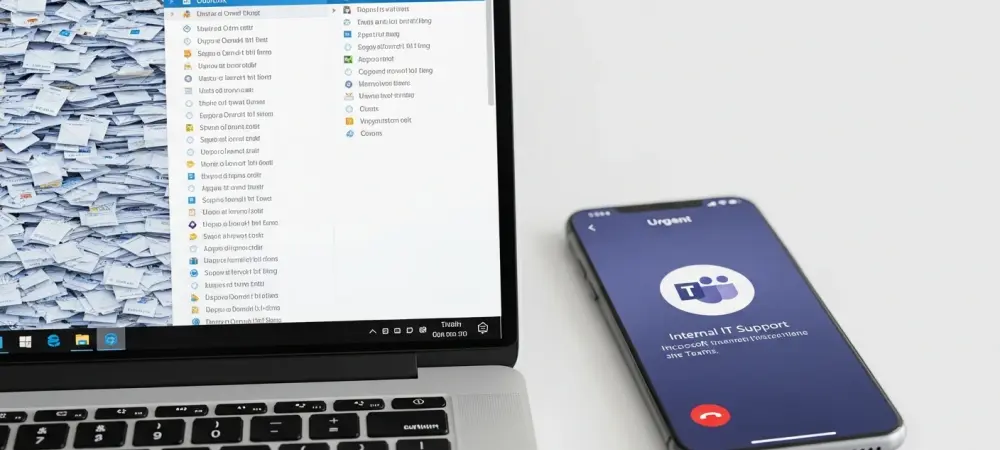
The modern digital workspace is currently facing a predatory shift where cybercriminals combine high-pressure psychological tactics with advanced malware to infiltrate secure networks. This guide explores the mechanics of a sophisticated multi-stage campaign that bypasses traditional security by targeting the human element within Microsoft Teams. Readers will learn to identify these hybrid threats and implement defense strategies to safeguard their corporate environments from total account takeover.
Understanding the New Wave of Hybrid Phishing Exploits
Recent security developments have revealed a highly coordinated campaign specifically designed to exploit the professional trust inherent in corporate communication platforms. Unlike traditional phishing that relies on static links, this hybrid approach utilizes a multi-stage process to manipulate employees through direct interaction. By integrating voice communication with technical deception, attackers successfully navigate around the automated filters that usually catch malicious emails.
This evolution of social engineering represents a move toward high-touch, high-reward intrusions. The attackers do not merely seek a one-time login credential; instead, they aim for persistent network access and complete control over the victim’s workstation. By merging psychological manipulation with the deployment of stealthy malware, threat actors ensure their presence remains undetected for extended periods.
Vishing, or voice phishing, has become the centerpiece of this strategy because it adds a layer of perceived legitimacy that a simple email lacks. When a person speaks directly to an employee, the sense of urgency and authority is significantly amplified. This tactic is proving remarkably effective at overcoming the skepticism that many organizations have spent years building through standard security awareness training.
Why Trust in Corporate Collaboration Tools Is Under Fire
The transition from standard phishing to high-pressure vishing indicates a strategic pivot by sophisticated groups like Storm-1811, also known as Blitz Brigantine. These actors have identified that Microsoft Teams and Quick Assist are seen as safe havens by the average worker. Because these tools are baked into the Microsoft ecosystem, employees rarely question a request to use them when it seemingly comes from their own internal IT department.
Strategic use of these tools allows attackers to leverage the inherent trust between staff and support teams. By posing as a helpful technician, an adversary can convince even a cautious employee to lower their guard. This exploitation of the help desk relationship is a hallmark of the Black Basta ransomware syndicate, which continues to influence these modern attack methodologies through its established blueprints.
As these tools are essential for the remote and hybrid work models of 2026, the surface area for exploitation has grown. Threat actors understand that the reliance on remote assistance tools is a necessity for global firms. Consequently, they have weaponized the very software designed to keep businesses running, turning a support session into a direct conduit for unauthorized administrative access.
Deconstructing the Multi-Stage Attack Lifecycle
Step 1: Orchestrating the Initial Spam Flood
Overwhelming the Victim to Create Urgency
The attack begins with a coordinated spam bombardment intended to paralyze the target’s email inbox with thousands of junk messages. This overwhelming influx of digital noise is not the end goal but rather a calculated distraction. It is designed to create a state of high stress and professional panic in the victim, making them desperate for a quick resolution to the sudden chaos.
From a psychological perspective, this crisis sets the stage for the attacker to appear as a savior. When a user is struggling to find important documents amidst a flood of spam, they are far more likely to welcome an unsolicited call from someone claiming to be there to help. This manufactured urgency effectively bypasses the critical thinking process that might otherwise flag the subsequent interaction as suspicious.
Step 2: Initiating the Vishing Call and Impersonating IT Support
Building Rapport Through Malicious Assistance
Once the inbox is sufficiently cluttered, the attacker initiates a phone call or a Microsoft Teams voice chat. Posing as a legitimate help desk technician, they mention the “detected” spam issue and offer an immediate fix. This rapport-building phase is crucial, as the technician uses professional terminology and a calm demeanor to establish themselves as a trusted authority figure within the organization.
The social engineering scripts used in these calls are highly polished and adaptable to the victim’s responses. They guide the user toward risky behavior by framing it as a standard troubleshooting procedure. By the time the attacker asks for remote access, the victim has often been convinced that the “technician” is the only person capable of restoring their productivity and securing their account.
Step 3: Exploiting Remote Access via Quick Assist
Bypassing Perimeter Defenses Through User Consent
The attacker then directs the victim to open Quick Assist, a legitimate Windows tool designed for remote support. Because the user is the one initiating the connection and providing the unique code, the session is often viewed as authorized by internal security monitors. This allows the threat actor to bypass sophisticated perimeter defenses without triggering the typical alarms associated with external hacking attempts. This transition from a phone call to a live remote desktop session grants the attacker direct control over the workstation. Since the session is running under the user’s own profile, the attacker inherits the permissions of that employee. This “Living off the Land” technique ensures that the initial breach looks like a standard administrative task, making it incredibly difficult for security teams to distinguish between help and harm.
Step 4: Deploying the A0Backdoor Payload
Utilizing DLL Sideloading for Stealth Persistence
With remote access established, the attacker moves to the technical execution phase by deploying the A0Backdoor malware. The malware is typically delivered through a technique known as DLL sideloading, which allows a malicious file to be executed by a legitimate program. In this specific campaign, the malware often masquerades as a component of Microsoft Teams or the CrossDeviceService to remain hidden from antivirus software.
This technical trickery is vital for maintaining stealth within a corporate environment. By hitching a ride on trusted system processes, the A0Backdoor can remain active in the background without raising suspicion. This persistent presence allows the attacker to monitor the user’s activity and prepare for the next phase of the operation without being interrupted by automated security scans.
Step 5: Achieving Account Takeover and Lateral Movement
Escalating Privileges and Network Persistence
The final stage involves the execution of arbitrary scripts and the establishment of Remote Code Execution (RCE) capabilities. Once the backdoor is firmly rooted, the attackers can escalate their privileges and begin moving laterally through the network. This means they can jump from the initial victim’s workstation to more sensitive servers or databases, searching for valuable corporate data or intellectual property.
The long-term risks of this stage are severe, as it lays the groundwork for data exfiltration and future ransomware deployment. By maintaining a quiet foothold, the threat actors can choose the most damaging moment to strike. This persistence ensures that even if the initial “spam” issue is forgotten, the vulnerability remains active, providing a permanent gateway for the criminal organization.
Summary of the Attack Methodology
- Stage 1: Coordinated spam bombardment to induce panic.
- Stage 2: Fraudulent IT support call (vishing) to offer a “solution.”
- Stage 3: Utilization of Quick Assist to gain direct workstation control.
- Stage 4: Infection via A0Backdoor using DLL sideloading to evade detection.
- Stage 5: Full remote access, data theft, and lateral network expansion.
The Broader Implications for Enterprise Cybersecurity
The resurgence of tactics associated with Black Basta indicates a dangerous trend in 2026 where organized crime groups are refining their “as-a-service” models. These groups are no longer relying on simple brute force; they are investing in the research and development of human-centric exploits. The success of these campaigns against Canadian financial firms and international healthcare providers shows that no sector is immune to these refined methods.
Furthermore, the shift toward “Living off the Land” attacks presents a fundamental challenge for the future of cybersecurity. When attackers use pre-installed system tools like Quick Assist, the traditional model of blocking “bad” software becomes obsolete. Security professionals must now find ways to distinguish between a legitimate support session and a malicious intrusion, a task that requires significantly more context than current automated tools provide.
The vulnerability of the healthcare and financial sectors is particularly concerning given the sensitivity of the data they handle. Recent hits have demonstrated that even organizations with significant security budgets can be undermined by a single employee making a mistake under pressure. This highlights a critical need for a more holistic approach to defense that considers both technical controls and the psychological resilience of the workforce.
Strengthening Defense Protocols Against Vishing and RCE
Organizations should implement strict verification procedures for all remote support requests, ensuring that no employee grants access without a multi-factor confirmation through a secondary channel. It is essential to move away from a culture where an unsolicited call is enough to justify remote desktop control. Establishing a dedicated internal portal for support requests can help standardize these interactions and reduce the likelihood of a successful impersonation. Educating the workforce on the specific dangers of unsolicited Quick Assist sessions and vishing is equally vital. Training should move beyond simple email recognition to include live simulations of these multi-stage attacks. By familiarizing employees with the signs of a spam flood followed by a “helpful” call, companies can turn their staff into a proactive line of defense rather than a vulnerable entry point. Technical mitigation must involve monitoring for specific anomalies, such as unexpected DLL sideloading or unusual activity within Microsoft Teams components. Security teams should audit their internal communication policies to ensure that help desk interactions are logged and verifiable. In the end, preventing social engineering success required a combination of technological vigilance and a culture of healthy skepticism across all levels of the enterprise. These protocols proved effective in reducing the impact of the initial waves of the Storm-1811 campaign. Corporations that adopted these measures successfully identified and neutralized unauthorized remote sessions before data exfiltration occurred. Advanced monitoring tools were deployed to flag the A0Backdoor signatures, and administrative policies were updated to restrict Quick Assist usage to verified IT personnel only.