

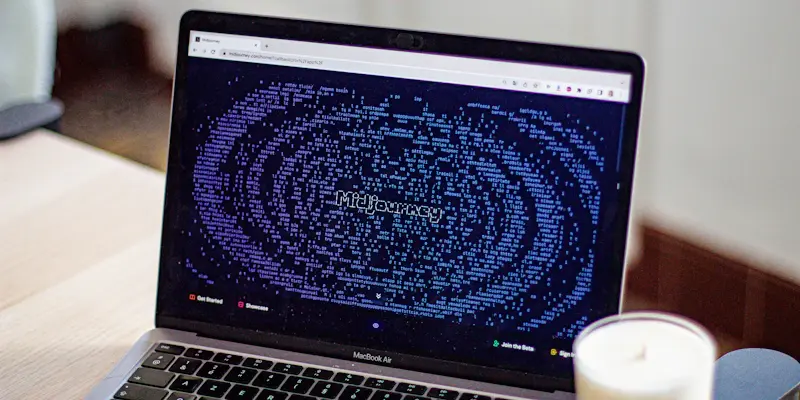
MidJourney, the AI image generator platform with over 19 million users, has recently rolled out a series of updates designed to elevate the user experience through enhanced customization features. These innovations are aimed at providing users with greater control over their creative workflows, integrating more intuitive tools for personalization, and expediting the set-up process for custom AI models. The new additions include ‘Moodboards’ inspired by Pinterest, the ability to switch between multiple custom profiles, and significant improvements in the speed of creating personalized image profiles.
Improved Personalization with Moodboards
Enhanced Creative Inspiration
One of the standout features in the latest MidJourney update is the introduction of Moodboards. This Pinterest-inspired addition allows users to upload curated image collections, serving as a wellspring of inspiration for their creative projects. By using these Moodboards, the AI model can adapt and generate images that align closely with the user’s desired themes and styles. This represents a significant shift from previous iterations, where user input was more limited and less dynamic. The flexibility offered by Moodboards empowers users to experiment with different styles effortlessly, enhancing their ability to craft unique visual content.
For professional creators working within teams or individuals managing multiple projects, Moodboards streamline the integration of personalized styles. Artists and designers can now easily convey their visions by presenting a cohesive set of images that the AI will use to generate similar outputs. This feature simplifies the collaboration process, ensuring that all team members are on the same page regarding the aesthetic direction. Furthermore, the ability to switch between different Moodboards seamlessly allows users to manage various projects with distinct visual identities, making the creative process more organized and efficient.
Effortless Creation of Custom Models
Another notable enhancement in the MidJourney update is the improved support for creating and managing multiple custom versions of the platform’s latest AI model, version 6.1. Users can now tailor the image generation process to their unique aesthetics by setting up different profiles, which can be easily switched based on the requirements of their projects. This feature significantly benefits users who often deal with diverse creative needs, enabling them to maintain coherence in their work while experimenting with various styles.
The speed at which custom models can be set up has also been dramatically increased. With the latest update, the image ranking speed has been improved fivefold. Previously, users needed to rate 200 images to start personalizing their model. However, with the new system, they only require 40 ratings to begin creating their profiles, achieving a stable model with 200 ratings. This significant reduction in the number of initial ratings makes the platform more accessible to new users while still accommodating the needs of heavy users who may contribute thousands of ratings for maximum precision. This improvement makes it easier for users to see the results of their customizations quickly, fostering a smoother and more effective creative process.
Enhanced Organizational Tools
Streamlined Project Management
In addition to new creative tools, MidJourney has also introduced advanced organizational features that simplify project management for users. One of the highlights is the ability to name specific profiles and set default profiles, allowing for better categorization and quicker access to preferred settings. This feature is particularly useful for users managing multiple projects simultaneously, as it provides clear distinctions between various custom models and their associated image collections. By giving users this organizational capability, MidJourney ensures that the tool remains efficient even as the complexity of users’ projects increases.
Moreover, users can now track all images associated with particular profiles, enhancing the organizational aspect of their workflow. This capability is vital for maintaining order in extensive portfolios where each project may demand a unique visual identity. Users can easily locate and reference images tied to specific profiles, making the management of their visual content both intuitive and systematic. This improvement not only saves time but also streamlines the workflow, allowing creators to focus more on the artistic aspects rather than getting bogged down by administrative tasks.
Flexibility in Collaborative Workflows
MidJourney, the popular AI image generator platform boasting over 19 million users, has recently released a series of updates designed to significantly enhance the overall user experience. These innovations focus on providing users with greater control over their creative processes, integrating more user-friendly tools for personalization, and shortening the set-up time for custom AI models. Among the new features are ‘Moodboards,’ which are inspired by the style of Pinterest, allowing users to organize and manage their inspiration better. Additionally, users now have the flexibility to switch effortlessly between multiple custom profiles, making it easier to manage various projects or artistic visions. Another major improvement is the increased speed in creating personalized image profiles, allowing users to see their creative ideas come to life more rapidly than before. These updates collectively aim to streamline the creative workflow, making it more intuitive and enjoyable for users to bring their unique visions to reality.