

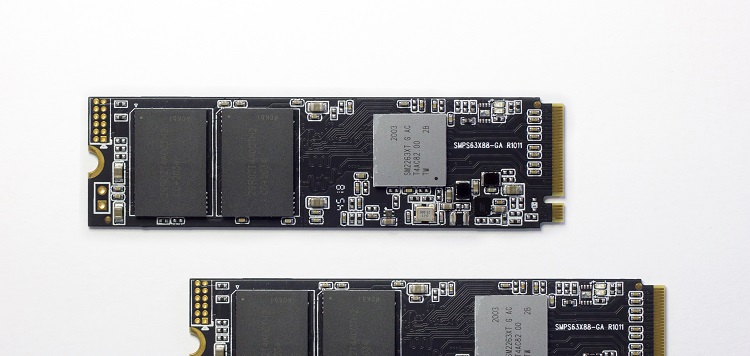
Phison Electronics CEO K.S. Pua expects the adoption of PCIe Gen 5 NVMe SSDs to remain sluggish until the latter half of next year. This projection is attributed to partners’ hesitancy in adopting PCIe 5.0 fully. In this article, we delve into Pua’s perspective on the slow adoption and the reasons and speculations behind partners’ hesitancy.
Hesitancy Among Partners
According to Pua, the adoption of the PCIe 5.0 standard has been relatively slow, and partners have been hesitant to adopt it fully. However, he did not explain the reasons behind this hesitance. It is worth noting that the adoption of new technology can be challenging, and companies always tread lightly to minimize risks.
Speculated reasons for hesitancy
One possible reason for partners’ hesitancy to adopt the PCIe Gen 5 standard fully is the initial overhead cost. Integrating the PCIe 5.0 standard into newer devices may demand more investment, which may be passed down to the consumer. Consequently, this may result in higher prices, and in turn, lower demand.
Consumer response to new technologies
Another probable reason is consumers’ apprehension towards new technologies. With several reports of new technologies being released in the last few months, users have become aloof towards each new technology. Notably, many consumers complain about high costs and would wait for prices to come down before upgrading their systems.
Effects of Layoffs and Possible Recession
Layoffs and the possibility of a looming recession may also have a significant impact on consumers’ purchasing power. With the global economy facing challenges, some consumers may put off purchasing new devices, including PCs with PCIe 5.0 SSDs, until the economy stabilizes.
Focus on esports and creators
Despite the slow adoption of PCIe Gen 5 NVMe SSDs, Pua stated that esports and content creators remain a significant focus for many companies. These days, companies tailor their products to meet the needs of pro gamers, YouTubers, or producers that need more screen space or power from their devices. As a result, gaming PCs and laptops have become increasingly popular, and this trend may continue to drive demand for high-performance SSDs.
Phison’s highly advertised PCIe Gen 5 controller
Phison’s highly advertised PCIe Gen 5 controller, the E26, is being considered for redesigns aimed at improving its 7nm process technology, increasing performance, and enhancing cooling management. By doing so, the company hopes to remain competitive and offer products that meet customers’ ever-changing needs.
Pua is anticipating increased adoption of PCIe Gen 5
Despite the slow adoption, Pua anticipates that the company will be ready once the adoption level for PCIe Gen 5 is more widespread. The PCIe 5.0 standard was released during the Intel 12th Generation CPUs, and products started to appear a year later during AMD’s Ryzen 7000 launch. Therefore, Phison is confident that the market will eventually shift towards PCIe Gen 5 SSDs, and the company is poised for that shift.
Background on the PCIe 5.0 Standard Release and Timeline
The PCIe 5.0 standard was released in 2019 and introduced an array of upgrades. The technology boasts twice the throughput of PCIe Gen 4, with speeds of up to 32GB/s. Additionally, PCIe Gen 5 is backward compatible with earlier versions of PCIe, meaning that PCIe 4.0 devices will work on PCIe Gen 5 devices.
Challenging hurdles for companies like Phison in promoting adoption of new technology
The adoption of newer technology, such as PCIe Gen 5, can be challenging due to various obstacles, including hesitancy among partners, higher costs for consumers, consumer weariness towards newer technology, and the possibility of a recession. Despite these challenges, companies such as Phison continue to push the envelope with cutting-edge SSDs, catering to pro gamers, content creators, and others who demand high-performance devices.
In conclusion, Phison’s CEO, KS Pua, predicts that the adoption of PCIe Gen 5 NVMe SSDs may not see significant growth until the latter half of next year. However, the company is prepared to meet the industry’s demands once the shift towards PCIe Gen 5 SSDs occurs. While various challenges hinder the adoption of newer technology, game-changing products like the Phison E26 PCIe Gen 5 controller may help accelerate demand.