

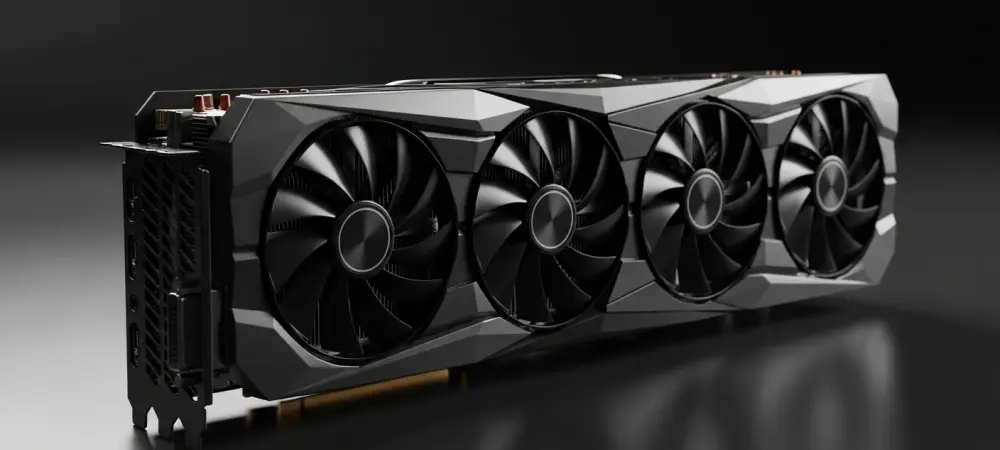
A long silence in the world of extreme, record-setting graphics cards has officially been broken by the rumblings of an approaching storm, heralding the return of a legendary name. MSI is resurrecting its iconic Lightning series with NVIDIA’s GeForce RTX 5090, promising to redefine the peak of GPU performance for the most demanding enthusiasts.
After a Five-Year Silence a Bid to Reclaim the Overclocking Throne
The Lightning series has been dormant since its 2019 RTX 2080 Ti release, leaving a void for users seeking ultimate performance and tuning. The long hiatus led many to believe the era of such specialized, no-compromise GPUs was over. Its return is a definitive statement from MSI. More than a product launch, it is a move to reclaim the throne in the ultra-high-end market, where custom engineering and raw power are paramount.
The Legacy of Lightning and Why This Return Matters
Historically, the Lightning name represented the zenith of GPU engineering, with bespoke PCBs, robust power delivery, and BIOS options for extreme overclockers. These cards were platforms for setting world records. For the PC building community, this revival is significant. It demonstrates a renewed commitment to the niche group of users who push hardware to its absolute limits, signaling a product that prioritizes raw potential over mass-market appeal.
Reading the Forecast and Decoding the CES Teaser
MSI’s campaign began with a teaser styled as a weather report, forecasting “thunderous lightning” for its January 5th CES media event. The cryptic message quickly caught the attention of veteran hardware enthusiasts. The approach is a direct callback to the series’ powerful branding and reputation. By tying the announcement to a major tech expo, MSI ensures its return to the high-performance arena will be a centerpiece event.
Built for Extremes with Confirmation of Unlocked Overclocking Potential
Adding concrete evidence, the developer of MSI Afterburner confirmed receiving engineering samples designed for overclocking. This source lends significant credibility to performance claims. The confirmation of unlocked voltage controls is the most critical detail for the target audience. This feature is key to unlocking a GPU’s full potential, assuring enthusiasts the new Lightning will be a genuine tool for benchmarking.
Taming the Beast with Two Potential Flagship Designs
To manage the RTX 5090’s formidable power, MSI has previewed two ambitious “Special Edition” cooling solutions. The first is a colossal triple-slot air cooler with five Stormforce fans, designed for maximum heat dissipation. The second concept is a sophisticated AIO liquid cooling system, the HydroCool, with a dual-radiator setup. This approach indicates MSI is preparing for extreme thermal challenges, offering users a choice between a monstrous air-cooled titan and a sleek, liquid-cooled unit.
The combination of a marketing teaser and insider confirmations clarified that MSI was reviving a philosophy, not just a name. The announcement set the stage for a new chapter in peak GPU performance. With unlocked overclocking and two formidable cooling designs for the RTX 5090, the Lightning series re-established its purpose. Its return signaled a renewed battle for the top spot in the enthusiast market, leaving the community to await new records to be shattered.