

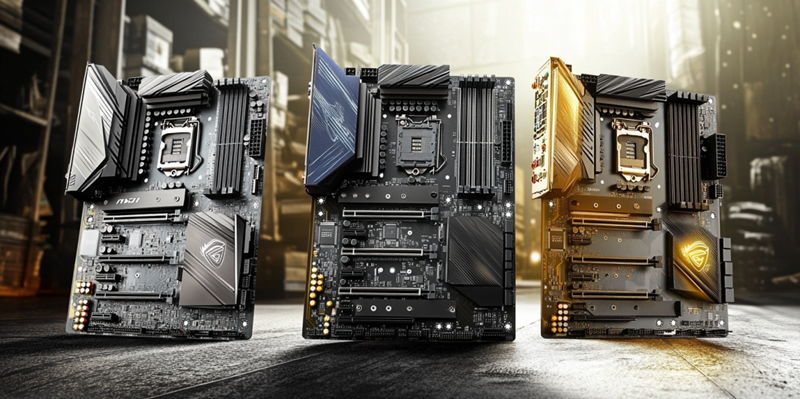
The next generation of motherboards is here, and MSI is leading the charge with its highly anticipated Z890 lineup aimed at supporting Intel’s upcoming Arrow Lake CPUs. This new series promises a substantial leap in performance, connectivity, and user-friendly features, setting new standards in the rapidly evolving tech landscape. Unveiled through retailers like Amazon Netherlands and Shopmarketplace.com, the lineup includes models like the MSI Pro Z890-P WiFi, MSI Z890 Gaming Plus WiFi, MSI MAG Z890 Tomahawk WiFi, and MSI Pro Z890-A WiFi. Each motherboard in this series is meticulously designed to cater to different market segments, from budget-conscious users to hardcore gamers, ensuring that MSI remains at the forefront of motherboard technology.
MSI Pro Z890-P WiFi: Affordable Excellence
The MSI Pro Z890-P WiFi sets the standard for budget-friendly options without compromising on quality, offering a price tag of €329.39 (approximately US$361, including VAT). Despite being the most affordable in the lineup, this model is feature-rich and boasts a sleek black PCB adorned with silverish heatsinks, blending aesthetics with functionality. An ample suite of expansion options, including 3x PCI-E x16 and 1x PCI-E x1 slots, ensures there’s sufficient room for GPUs and other critical components. Another notable feature is the newly repositioned EPS connector, which simplifies the installation process, making it a user-friendly choice for first-time PC builders.
In terms of connectivity, the Pro Z890-P WiFi is ahead of the curve. It features WiFi 7, a 5G LAN port, and a variety of USB ports, including a Thunderbolt port. This comprehensive connectivity suite ensures users are well-prepared for future technological advancements and high-speed internet requirements. The robust design and well-rounded feature set make this model an excellent option for those needing a reliable, budget-friendly motherboard with advanced capabilities. MSI has set a new standard with this entry-level model, making it a compelling choice for a wide range of users.
MSI Z890 Gaming Plus WiFi: A Gamers’ Delight
Moving up the lineup, the MSI Z890 Gaming Plus WiFi offers enhanced build quality and additional features tailored specifically for gaming enthusiasts. With a price of €352.10 (around US$386 with VAT), this model provides a balanced combination of aesthetics and functionality. The all-black PCB, accented by white and gray highlights, creates a sleek appearance that appeals to gamers who prioritize both performance and style. One of the standout features of the Gaming Plus WiFi is the additional M.2 shields, which help keep high-speed storage devices cool under heavy loads, ensuring optimal performance during intense gaming sessions.
Gamers will appreciate that this model maintains the same PCI-E slots count and advanced I/O options as its Pro counterpart. The user-friendly features are similar, but the Gaming Plus WiFi takes things a step further with improved aesthetics and extra connectivity options. MSI’s aim to cater to a broad range of users is evident here; from budget-conscious builders to hardcore gamers, this motherboard is designed to provide a seamless gaming experience. The inclusion of features such as superior thermal management and enhanced connectivity marks this model as a well-rounded choice for those focused on gaming performance.
MSI MAG Z890 Tomahawk WiFi: Mid-Range Mastery
Positioned as the mid-range option in the lineup, the MSI MAG Z890 Tomahawk WiFi comes with a price tag of €465.78 (about US$510, VAT included). This model is designed for users who demand more from their systems but aren’t ready to invest in high-end solutions. The Tomahawk WiFi stands out with its premium design and denser, larger heatsinks, which ensure excellent thermal management even under heavy workloads. This model also includes advanced diagnostic tools such as an Error Code LCD and EZ Debug LEDs, making troubleshooting and system maintenance more intuitive and user-friendly.
These diagnostic features are particularly beneficial for users who prioritize reliability and sophisticated diagnostic capabilities in their hardware. The Error Code LCD provides real-time information, enabling users to quickly identify and resolve any issues, while the EZ Debug LEDs offer straightforward indicators of system status. These enhancements make the Tomahawk WiFi an excellent choice for users seeking a robust, reliable motherboard with advanced features at a mid-range price.
Advanced Features Across the Board
The next wave of motherboards has arrived, and MSI is spearheading it with the eagerly awaited Z890 series, crafted to support Intel’s future Arrow Lake CPUs. This new series is set to elevate performance, connectivity, and ease of use, introducing new standards in the ever-evolving tech sector. Revealed by retailers like Amazon Netherlands and Shopmarketplace.com, the lineup features models such as the MSI Pro Z890-P WiFi, MSI Z890 Gaming Plus WiFi, MSI MAG Z890 Tomahawk WiFi, and MSI Pro Z890-A WiFi. Each motherboard in this collection is carefully designed to meet the needs of different market segments, ranging from budget-minded users to dedicated gamers.
Whether you’re seeking affordability or a high-end gaming experience, MSI ensures it stays at the cutting edge of motherboard technology. With this new lineup, MSI continues to solidify its position as a leader in the tech industry, providing innovative solutions that cater to a wide range of consumers, all while meeting the high performance and user-friendly benchmarks that modern users demand.