

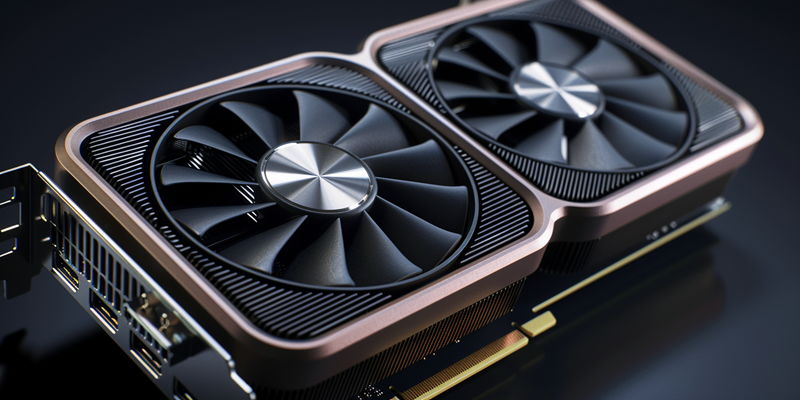
In the ever-evolving arena of computer graphics technology, MSI, a titan in the industry known for its cutting-edge hardware, has announced a critical strategic realignment favoring NVIDIA RTX GPUs. This decisive move is a calculated adaptation to the gaming community’s burgeoning penchant for NVIDIA’s offerings, as gamers hunt for the most advanced gaming experiences. By leaning into the RTX series, MSI is not only listening to market signals but also ensuring its product lineup remains fiercely competitive and aligned with consumer preferences that dictate the landscape of PC gaming.
MSI and Market Trends: The Push Toward NVIDIA
The impetus behind MSI’s tilt towards NVIDIA’s flagship RTX series stems from consumers’ increasing gravitation toward the brand. NVIDIA has secured a stronghold in the gaming world, boasting superior performance, brand loyalty, and proprietary technologies such as ray tracing and AI-accelerated features. These elements combine to create an irresistible allure for gamers and enthusiasts alike, making NVIDIA’s GPUs the coveted heart of many gaming rigs. In response, MSI, known for its astute market analysis, recalibrates its portfolio to favor these in-demand GPUs, a move set to cement its position in the high-stakes graphics cards arena.
Commitment to AMD: A Balancing Act
Despite the noticeable swing towards NVIDIA RTX GPUs, MSI maintains that their allegiance to AMD remains unshaken. Recognizing the ongoing strength of AMD, particularly within the motherboard domain, MSI’s strategy is one of balance and diversification. This dynamic demonstrates a commitment to its product range and a readiness to serve various segments of the technology market. MSI is clear: The collaboration with AMD continues to be vital, and the company’s strategy is one of harmony, combining the steady demand for AMD’s motherboards with the burgeoning desire for NVIDIA’s graphics technologies.
Navigating the Competitive GPU Landscape
MSI, a leading force in computer graphics technology, has strategically pivoted to focus on NVIDIA RTX GPUs in response to the growing demands of the gaming community. Gamers are increasingly seeking cutting-edge visuals, and NVIDIA’s RTX series is at the forefront of providing such experiences. This shift by MSI is a reflection of its commitment to staying at the competitive edge of the market, catering to the desires of PC gamers who prioritize advanced gaming performance. By aligning with NVIDIA’s popular RTX series, MSI is making a smart move to maintain relevance and appeal to its customer base in the dynamic landscape of PC gaming. This shift signifies MSI’s agility in adapting to consumer trends and underscores the importance of offering the latest in high-performance gaming hardware.