

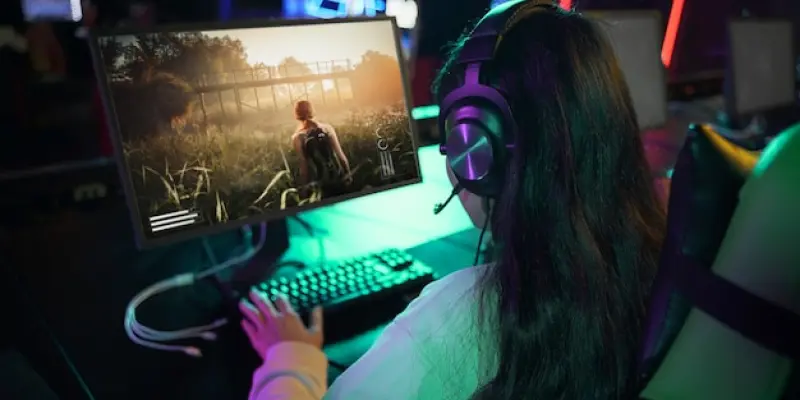
In a significant move that demonstrates advances in display technology, MSI has unveiled a new gaming monitor that pushes boundaries with its 500Hz QD-OLED technology. This innovative release brings features that set this monitor apart from others in the competitive display market. One of the standout elements is the integration of an AI-powered system designed to mitigate OLED burn-in, extend the panel’s lifespan, and enhance the overall user experience. OLED displays have grappled with burn-in issues, which can result in ghost images due to uneven wear of the light-emitting elements. MSI’s solution takes this a step further by incorporating AI technology that detects user presence, automatically shutting down the monitor when not in use to perform maintenance cycles aimed at power efficiency and display preservation. This strategic enhancement showcases MSI’s dedication to elevating display standards and enriching user engagement.
Unraveling Technical Specifications
QD-OLED Technology Features
The MSI gaming monitor features 1440p QD-OLED technology that promises vibrant colors and superior anti-reflection properties, making it ideal for intense gaming sessions. Built for fluid and immersive gameplay, the monitor boasts a remarkable 0.03ms response time coupled with very low input lag. These attributes come together with the 500Hz refresh rate to offer an experience that could potentially redefine gaming dynamics for enthusiasts. The inclusion of USB-C connectivity ensures seamless daisy-chaining for multi-device setups, enhancing ease of use and functionality. This monitor is not merely a step forward in resolution and image quality; it demonstrates how cutting-edge technology can transform interactions in a digital landscape. The integration of these elements reflects MSI’s deep understanding of gamer needs and its commitment to delivering unparalleled performance to meet those requirements.
AI-Powered Enhancements and Privacy Concerns
While MSI’s AI feature is indeed innovative, it raises questions regarding user privacy because of its method of determining presence through image capturing. MSI has assured users that no images are stored during this process, aiming to alleviate privacy concerns while maintaining the functionality of the AI system. This approach marks a noteworthy trend as companies increasingly integrate AI into hardware, leading to enhanced user experience and greater hardware longevity. By addressing these concerns proactively, MSI exemplifies industry best practices in balancing technological advancement with respectful privacy measures. The AI’s ability to automatically manage power usage and monitor maintenance highlights the trajectory of innovation in the sector, foreshadowing a future where AI becomes a staple in personal computing hardware.
Market Landscape and Strategic Implications
Competition in the Display Market
The launch of MSI’s monitor occurs amidst fierce competition, with major players like Samsung and Asus also introducing gaming monitors with high refresh rates. This environment reflects a growing demand for advanced displays and signals the industry’s shift towards catering to a discerning audience that values both performance and longevity in their technology. In this competitive arena, MSI’s introduction of AI capabilities sets a new standard for innovation, demonstrating a forward-thinking strategy that could inspire other companies to explore similar avenues. This competition drives the technological evolution of displays as firms continuously strive to differentiate their offerings and captivate consumer interest. By addressing both consumer and technical challenges head-on, MSI solidifies its role in spearheading advancements and setting benchmarks for future developments.
Consumer Trends and Industry Impact
MSI’s strategic approach symbolizes a broader movement towards combining AI innovation with display technology, offering solutions that address not only performance but also preservation concerns. Such an approach caters to a shift in consumer expectations, as users increasingly demand products that harness the full spectrum of modern tech capabilities. The focus on longevity, user convenience, and quality reflects a comprehensive understanding of current market trends and forecasts future needs. MSI’s launch aligns with evolving consumer desires for greater functionality and advanced features while pushing the envelope in display innovation. As AI integration becomes more prevalent, MSI’s monitor sets a precedent for others in the industry, fostering a dialogue for continued progress and adaptability in personal computing displays.
Future Pathways in Display Technology
MSI’s breakthrough offering with its new gaming monitor has redefined possibilities for both technology integration and user experience in the world of displays. While its AI technology raises privacy concerns, MSI has countered these with assurances and transparency that underscore the importance of balance between innovation and user awareness. The competitive landscape within which MSI operates also highlights the dynamic interplay of industry forces, pushing each company to innovate while considering consumer demands. Looking ahead, MSI’s contributions could encourage further exploration into AI applications, prompting future development of monitors that are smarter, more efficient, and attuned to user needs. This launch sets significant precedents and invitations for growth in the tech industry, inviting ongoing exploration into how AI and display technologies can coexist harmoniously.