

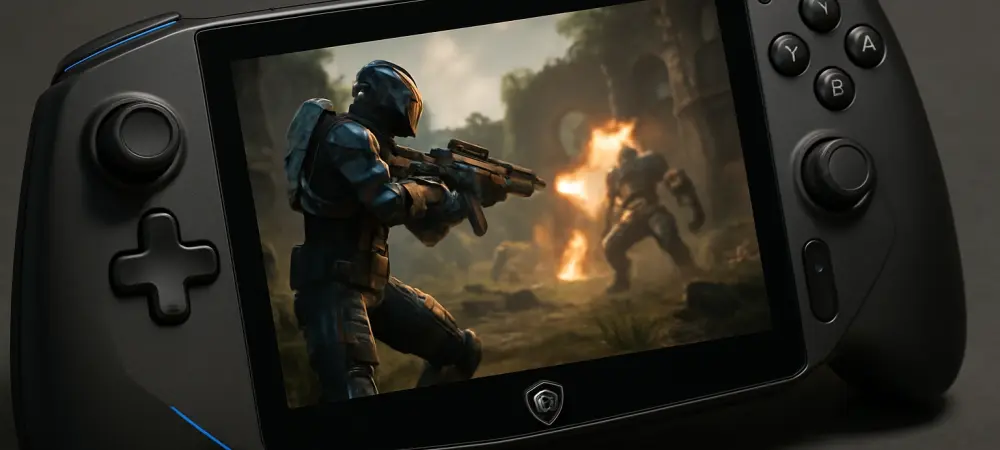
In the rapidly evolving world of handheld gaming, where innovation and affordability collide, a new contender has emerged to challenge the status quo. Imagine a device boasting cutting-edge hardware, promising to redefine portable gaming, yet stumbling at the starting line due to a price tag that raises eyebrows across the market. This scenario encapsulates the current situation with MSI’s latest offering, a device powered by AMD’s Ryzen Z2 Extreme processor. This market analysis delves into the pricing hurdles and competitive dynamics surrounding this high-end handheld, exploring its potential to carve out a space in an industry dominated by value-driven consumer choices. The purpose here is to dissect the trends, data, and projections that shape its trajectory, offering insights into whether premium pricing can coexist with market acceptance.
Market Trends: The Rise of Affordable Power in Handheld Gaming
The handheld gaming sector has witnessed a seismic shift over recent years, transitioning from niche toys to robust alternatives for traditional consoles and PCs. Devices like the Nintendo Switch initially broadened the appeal of portable gaming, but the entry of Valve’s Steam Deck in recent times set a new benchmark by delivering PC-level performance at a price point accessible to a wide audience. This trend toward affordability without sacrificing capability has fueled fierce competition, with brands like Asus entering the fray with discounted yet powerful options. The market now prioritizes value, where consumers often favor cost-effective solutions over marginal performance boosts, creating a challenging environment for premium-priced newcomers.
A significant pattern driving this sector is the democratization of high-performance hardware at lower costs. Competing devices, often priced under $600, have captured substantial market share by offering near-premium experiences to budget-conscious gamers. This dynamic underscores a critical barrier for higher-end models: the need to justify elevated costs with tangible, game-changing features. As consumer expectations align more with affordability, companies must adapt by either rethinking pricing strategies or highlighting unique selling points that resonate with enthusiasts willing to pay a premium.
Competitive Analysis: Pricing Pressures and Performance Metrics
Benchmarking the Premium Tag Against Rivals
At the heart of this analysis lies the steep pricing of MSI’s new handheld, pegged at approximately €976 (around $1,000) based on European pre-order listings. This positions it as a direct competitor to other high-end models, including its sibling with an Intel processor, which retails at a similar cost. However, early performance data reveals only a slight edge, with frame rates in demanding titles hovering just below those of comparable devices despite differences in RAM and processing power. This marginal gain raises questions about whether the Ryzen Z2 Extreme chip offers enough innovation to validate such a hefty investment in a market sensitive to every dollar spent.
Stacking Up Against Budget-Friendly Giants
The competitive landscape further complicates the outlook, as more affordable alternatives dominate consumer preference. Devices priced at nearly half the cost, often discounted to around $550-$600, deliver robust gaming experiences that challenge the necessity of premium handhelds. These rivals have built loyal followings by balancing performance with accessibility, a trend that continues to shape purchasing decisions. Unless the new processor demonstrates a significant leap over existing chips like the Z1 Extreme, the device risks being perceived as overpriced, potentially limiting its appeal to a narrow segment of tech enthusiasts.
External Factors Impacting Market Entry
Beyond internal specifications, external pressures add layers of complexity to the device’s market positioning. Potential tariffs on imported components could inflate costs further, eroding competitiveness against rivals already benefiting from lower price points. Additionally, uncertainties around stock availability and unconfirmed pricing in key regions like the US and UK introduce risks of dampened demand. These logistical and economic challenges highlight the need for strategic pricing adjustments or enhanced marketing to counterbalance perceptions of high cost with clear value propositions.
Future Projections: Navigating a Price-Sensitive Ecosystem
Looking toward the coming years, the handheld gaming market shows no signs of stagnation, with advancements in processor efficiency and display technology poised to elevate device capabilities. Projections suggest continued growth in demand for portable gaming solutions, but with an increasing emphasis on cost-effectiveness. For MSI, the current device serves as a critical test of whether premium hardware can find a foothold amidst budget-conscious trends, potentially influencing future product strategies through 2025 to 2027. Failure to align pricing with market expectations could result in limited adoption, pushing the brand to explore niche features like superior cooling or exclusive software integrations.
Another key forecast centers on evolving consumer behavior, where value-driven purchases are expected to dominate unless premium offerings deliver undeniable advantages. Industry speculation points to a potential shift in strategy for high-end handhelds, with tiered pricing models or bundled offers emerging as viable solutions to attract diverse buyer segments. Additionally, economic factors such as fluctuating tariffs may force manufacturers to localize production or absorb costs, reshaping profit margins. The trajectory indicates a tightrope walk between innovation and affordability, with success hinging on adaptability to these market forces.
Reflecting on Insights and Strategic Pathways
Reflecting on the analysis, it becomes evident that the steep pricing of MSI’s latest handheld poses a formidable barrier in a market favoring affordability, despite the promise of advanced hardware like the Ryzen Z2 Extreme processor. The competitive landscape, dominated by cost-effective alternatives, underscores the challenge of justifying a near-$1,000 price tag with only incremental performance improvements. External pressures, including potential tariffs and availability constraints, further complicate the device’s market entry, painting a picture of an uphill battle for widespread acceptance.
Moving forward, strategic adjustments appear essential to enhance positioning. Exploring tiered pricing or introductory discounts could broaden appeal, while emphasizing unique features might attract enthusiast gamers. For industry stakeholders, the lesson is clear: balancing innovation with accessibility remains paramount. Future considerations should include closer monitoring of consumer feedback and competitor moves to refine offerings, ensuring that premium devices deliver unmistakable value. This analysis serves as a reminder that in the handheld gaming arena, price sensitivity often dictates success, urging brands to adapt swiftly to retain relevance.