
MSI B860 Motherboards Now Support CXMT DDR5 Memory with BIOS Update

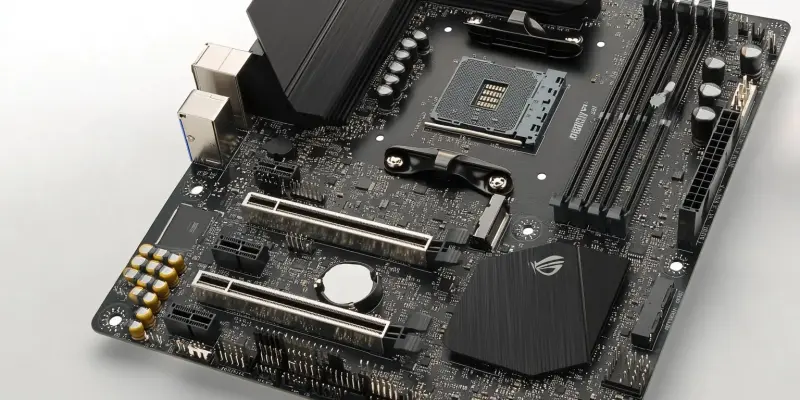
In a significant development for China’s tech industry, MSI has announced that their B860 series motherboards now support CXMT DDR5 memory modules, following a recent BIOS update. With support for up to 6800 MT/s DDR5 memory speeds in 4x DIMM configurations, this update is poised to enhance the performance and versatility of these motherboards. The models included in this update are the MAG B860 Tomahawk WiFi, MAG B860M Mortar WiFi, and Pro B860M-A WiFi, all of which are becoming increasingly crucial for high-performance computing needs.

The integration of ChangXin Memory Technology’s (CXMT) DDR5 memory into MSI’s B860 series marks a noteworthy milestone in China’s domestic tech landscape. As China’s first home-grown DDR5 memory modules, CXMT’s products face the challenge of delivering performance despite sanctions on advanced process nodes. While the current CXMT DDR5 memory modules are physically larger than those produced by industry giants like Samsung and Micron, there is already potential for size reduction and cost optimization as production scales up.

MSI’s support of CXMT memory could be a catalyst for other local memory manufacturers to join the market, potentially broadening the adoption of domestically produced memory. This move is in line with a broader trend towards technological self-reliance spurred by geopolitical tensions. Such enhancements in performance and compatibility serve as a testament to the strides being made in local innovation and growth, aimed at reducing dependence on foreign technology.

Overall, this BIOS update not only optimizes the capabilities of the MSI B860 motherboards but also highlights the significant progress being made in China’s drive for tech self-sufficiency. By reinforcing the functionality and performance of CXMT DDR5 memory modules, MSI is playing a pivotal role in advancing the technological prowess of the local market, paving the way for future innovations and broader industry transformations.

Explore more

Jenacie AI Debuts Automated Trading With 80% Returns

We’re joined by Nikolai Braiden, a distinguished FinTech expert and an early advocate for blockchain technology. With a deep understanding of how technology is reshaping digital finance, he provides invaluable insight into the innovations driving the industry forward. Today, our conversation will explore the profound shift from manual labor to full automation in financial trading. We’ll delve into the mechanics

Chronic Care Management Retains Your Best Talent

With decades of experience helping organizations navigate change through technology, HRTech expert Ling-yi Tsai offers a crucial perspective on one of today’s most pressing workplace challenges: the hidden costs of chronic illness. As companies grapple with retention and productivity, Tsai’s insights reveal how integrated health benefits are no longer a perk, but a strategic imperative. In our conversation, we explore

DianaHR Launches Autonomous AI for Employee Onboarding

With decades of experience helping organizations navigate change through technology, HRTech expert Ling-Yi Tsai is at the forefront of the AI revolution in human resources. Today, she joins us to discuss a groundbreaking development from DianaHR: a production-grade AI agent that automates the entire employee onboarding process. We’ll explore how this agent “thinks,” the synergy between AI and human specialists,

Is Your Agency Ready for AI and Global SEO?

Today we’re speaking with Aisha Amaira, a leading MarTech expert who specializes in the intricate dance between technology, marketing, and global strategy. With a deep background in CRM technology and customer data platforms, she has a unique vantage point on how innovation shapes customer insights. We’ll be exploring a significant recent acquisition in the SEO world, dissecting what it means

Trend Analysis: BNPL for Essential Spending

The persistent mismatch between rigid bill due dates and the often-variable cadence of personal income has long been a source of financial stress for households, creating a gap that innovative financial tools are now rushing to fill. Among the most prominent of these is Buy Now, Pay Later (BNPL), a payment model once synonymous with discretionary purchases like electronics and