

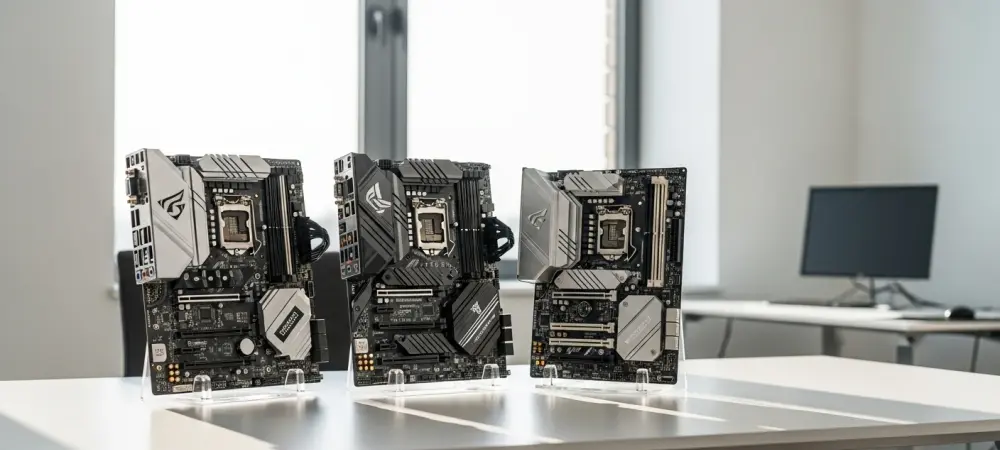
The global PC hardware market is witnessing a rare moment of restraint as two of its most prominent titans choose to break the long-standing tradition of annual socket and chipset updates. For years, enthusiasts have grown accustomed to the rhythmic arrival of new motherboards alongside every CPU revision, but MSI and ASUS are now signaling a strategic departure from this cycle. Regarding the upcoming Intel “Arrow Lake Refresh,” specifically the Core Ultra 200S Plus series, these manufacturers have opted to bypass the release of a dedicated hardware lineup. This decision suggests that the era of forced obsolescence may finally be giving way to a more pragmatic approach to hardware design and consumer value.
A Strategic Departure from the Annual Hardware Cycle
The decision to skip a motherboard generation reflects a profound change in how manufacturers view the shelf life of their products. Historically, a CPU refresh provided a convenient marketing hook to push “Version 2” boards that offered little more than aesthetic tweaks or minor BIOS updates. However, as the industry moves toward 2027 and beyond, the financial and environmental costs of producing redundant hardware have become harder to justify. By maintaining the current platform, these companies are prioritizing the stability of the ecosystem over the short-term gains of a fresh product launch.
This shift also highlights a growing maturity in consumer behavior. Modern builders are increasingly savvy, often recognizing that a motherboard purchased a year ago remains perfectly capable of supporting the latest silicon. In response, manufacturers are focusing on long-term firmware support rather than physical plastic and copper revisions. This change indicates a move toward a more sustainable hardware model, where value is measured by the longevity of a platform rather than the frequency of its replacement.
Historical Context and the End of Forced Obsolescence
To understand this pivot, one must look at the historical trajectory of the DIY PC market. For decades, the industry operated on a “tick-tock” model where each minor architectural shift necessitated a new motherboard purchase. This created a culture of perpetual upgrades that, while profitable for vendors, often left consumers with drawers full of incompatible hardware. Recent years have seen a cooling of this trend as power delivery systems and connectivity standards like PCIe 5.0 have reached a level of performance that exceeds current software demands.
The necessity of a new motherboard with every minor CPU update has come under intense scrutiny. As chipset features have plateaued, the “MAX” or “V2” revisions of the past have lost their luster. Today’s high-end boards are built with such significant headroom that a simple refresh of the processor does not automatically create a performance bottleneck. Manufacturers are finally acknowledging that the current hardware foundation is robust enough to carry the weight of next-generation chips without a physical overhaul.
The Factors Driving the Decision to Skip
Technical Redundancy and the Sufficiency of the Z890 Platform
The most immediate driver for this decision is the sheer technical competence of the existing Z890 motherboard stack. Engineered to handle the initial wave of Arrow Lake processors, these boards were built with massive power stages and integrated support for Thunderbolt 4 and high-speed networking. From an engineering perspective, there is simply no “problem” for a new motherboard to solve. Releasing a new lineup would offer no tangible performance benefits, serving only to confuse a market already struggling with complex naming conventions and overlapping product tiers.
Market Dynamics and the Economic Reality of DDR5
Cold economic data is also playing a decisive role in this strategic retreat. Initial sales for the first wave of Arrow Lake silicon did not meet the aggressive targets set by industry analysts, cooling the incentive for vendors to double down on new revisions. This lack of momentum is further exacerbated by a persistent global shortage of high-quality DDR5 memory components. As the price for premium DRAM climbs, the prospect of manufacturing and selling expensive, DDR5-exclusive motherboards becomes a risky financial proposition for both the manufacturer and the end user.
Strategic Pivots and the Resilience of Legacy Standards
An unexpected turn in this market analysis is the renewed interest in older memory standards. Rather than chasing marginal gains on the high end, MSI and others are refocusing on hardware that supports budget-friendly options. In some regions, manufacturers like Colorful are even investigating the viability of legacy compatibility to bypass current supply chain constraints. This demonstrates a clear industry trend: when the cost of cutting-edge technology becomes prohibitive, the market naturally gravitates toward proven, accessible, and affordable standards.
The Future of Motherboard Development and Innovation
This shift by MSI and ASUS likely marks the beginning of a broader trend toward extended product lifecycles across the entire hardware spectrum. We are entering an era where a single high-quality chipset may serve multiple CPU iterations, moving away from the “disposable” generation mindset. Future innovation will likely be found in software-level enhancements, such as AI-driven overclocking and advanced thermal management firmware, rather than in the addition of redundant physical ports or slightly modified heat sinks.
As economic pressures and environmental regulations regarding electronic waste intensify, modularity and long-term compatibility will become key selling points. Manufacturers who can demonstrate that their boards will support three or four years of processor releases will have a distinct competitive advantage. This evolution fosters a healthier ecosystem where hardware is selected for its engineering merit and long-term utility rather than the novelty of its release date.
Guidance for Consumers and System Builders
The industry’s message to builders is one of reassurance: the current Z890 ecosystem is a safe harbor. There is no technical reason to delay a build in anticipation of “next-gen” boards that are not coming. Existing motherboards are fully prepared for the Arrow Lake Refresh via simple BIOS updates, ensuring that current owners are not left behind. The focus for new builds should be on selecting high-quality, existing components that offer a proven track record of stability and manufacturer support.
Furthermore, builders should remain vigilant regarding the memory market. With DDR5 prices remaining volatile, exploring platforms that offer a better balance of cost and performance is a wise strategy. For those operating on a strict budget, the renewed industry interest in maintaining compatibility with older standards offers a way to build a powerful system without being forced into the premium-priced DRAM tier. This pragmatic approach allows for better allocation of funds toward critical components like the GPU or high-capacity storage.
A New Era of Pragmatism in Hardware
The decision by MSI and ASUS was a definitive statement on the state of the modern PC industry. By recognizing that current hardware was already sufficient and responding to global supply chain realities, these leaders prioritized market health over marketing cycles. This pivot suggested that meaningful innovation was more valuable than frequent, superficial updates that served only to clutter the marketplace. Builders were encouraged to invest in established platforms, securing a more stable foundation for their computing needs. Ultimately, the industry moved toward a model that valued consumer investment and hardware longevity, ensuring the community remained resilient amidst shifting economic landscapes.