

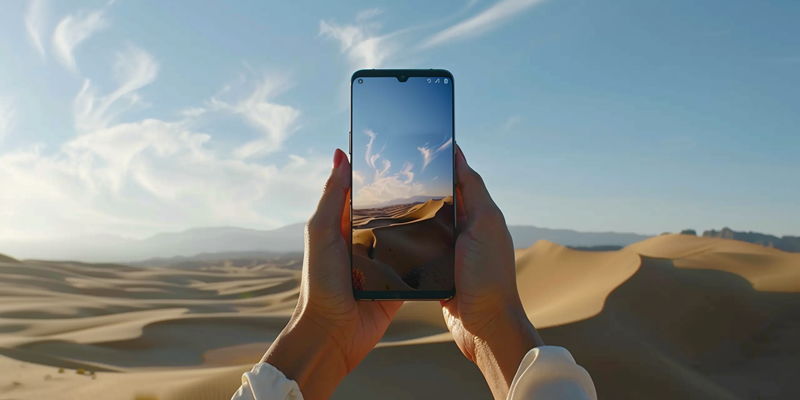
Motorola is gearing up to disrupt the Indian mobile market with the launch of the exciting new Moto G64 5G phone on the 16th of April. This innovative device stands out as the first ever to be equipped with the powerful MediaTek Dimensity 7025 SoC, marking a noteworthy advancement in smartphone technology. The Moto G64 5G is set to provide a high-performance user experience, enhanced by the speed and efficiency of 5G connectivity.
The phone will be available in two distinct configurations to cater to varying user needs. One model boasts 8GB RAM and 128GB of internal storage, while the more robust version comes with 12GB RAM and a generous 256GB storage space. Both variants offer the added flexibility of microSD expansion up to 1TB, ensuring users never run out of space for their photos, videos, and apps. This launch positions Motorola as a strong contender in the race to dominate the burgeoning Indian smartphone segment, leveraging the power of 5G to meet the demands of modern consumers.
State-of-the-Art Design and Display
In terms of design and display, the Moto G64 5G doesn’t disappoint. Featuring a large 6.5-inch FullHD+ LCD with a swift 120Hz refresh rate and a 240Hz touch sampling rate, this smartphone ensures smooth motion and quick touch response for the user. True to Motorola’s commitment to durability and quality, the display is safeguarded by robust Gorilla Glass. At the helm, this device flaunts a 16MP front-facing camera nestled within a centered punch-hole; the design choice is not only functional but also contributes to the modern aesthetic of the phone. Flipping the phone over reveals a versatile dual-camera setup, with a 50MP primary camera equipped with Optical Image Stabilization along with an 8MP ultrawide camera that doubles as a macro shooter for close-up photography.
Power and Durability
The Moto G64 5G is engineered to last with a powerful 6,000mAh battery supporting 30W fast charging, ensuring that users can power through their day without the constant need to recharge. Even better, Motorola includes a 33W adapter in the box, meaning right from the get-go, you’re prepared for rapid charging. With such impressive battery life and fast charging capabilities, the Moto G64 5G stands out as a smartphone that can keep up with the busiest of lifestyles. Additionally, the phone boasts an IP52 rating for water resistance, a side-mounted fingerprint scanner for security, and a set of connectivity options including USB-C, NFC, and a 3.5mm headphone jack. For an elevated audio experience, the device comes fitted with stereo speakers, Dolby Atmos, and Moto Spatial Sound technology.