

In a market long dominated by a predictable duopoly, Motorola’s latest flagship contender emerges not just as an alternative, but as a bold declaration of renewed technological ambition. The Motorola Signature represents a significant advancement in the premium smartphone sector. This review will explore the evolution of Motorola’s flagship strategy, its key features, performance metrics, and the impact it aims to have on a competitive market. The purpose of this review is to provide a thorough understanding of the device, its current capabilities, and its potential to challenge established industry leaders.
Motorola’s Ambitious Leap into the High-End Market
The Motorola Signature is far more than an incremental update; it is a calculated and forceful entry into the fiercely competitive high-end smartphone arena. Unveiled at a launch event in Mumbai, the device is built on a core principle of delivering uncompromising performance, durability, and a refined user experience. It serves as Motorola’s definitive statement, signaling a strategic pivot toward reclaiming a prominent position among the technology elites.
This launch is particularly significant within the Indian market, a landscape where brand loyalty and perceived value hold immense sway. By equipping the Signature with top-tier components and a suite of exclusive services, Motorola is not merely selling a product but also crafting a premium ecosystem. The phone’s arrival challenges the status quo, forcing consumers and competitors alike to reconsider Motorola’s role and capabilities in the flagship technology space.
A Closer Look at Core Features
Next-Generation Display and Unmatched Durability
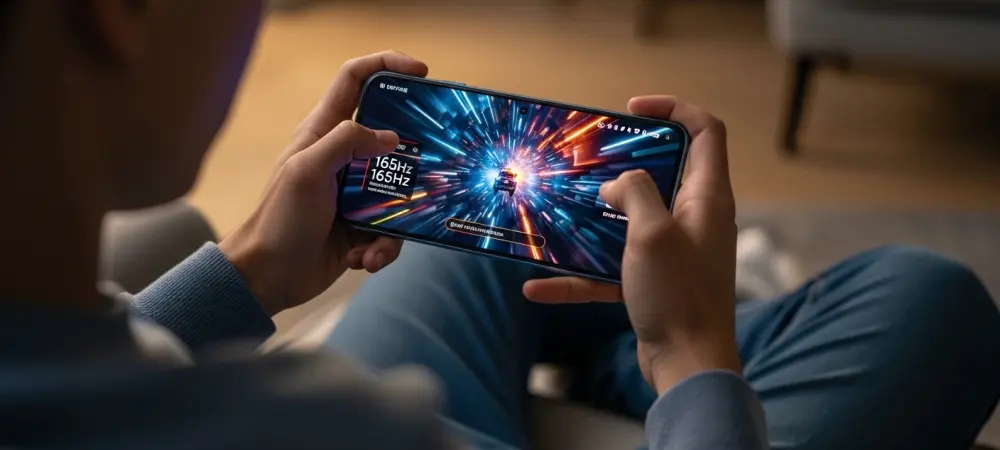
At the forefront of the user experience is the 6.8-inch Super HD LTPO Extreme AMOLED display, a panel engineered to deliver exceptional visual fidelity. With a fluid 165Hz refresh rate and an astounding 6,200 nits of peak brightness, it ensures clarity and vibrancy even in direct sunlight. This display technology, supported by Dolby Vision and HDR10+, is designed for immersive media consumption and precise content creation.
Beyond its visual appeal, the Motorola Signature is constructed to withstand the rigors of demanding environments. The device boasts a rare combination of IP68 and IP69 ratings, offering protection against both submersion and high-pressure water jets. This is further reinforced by a MIL-STD 810H certification and a screen shielded by Corning Gorilla Glass Victus 2, creating a device that blends elegance with formidable resilience.
Flagship Performance and Software Experience
Underpinning the device’s capabilities is the cutting-edge Snapdragon 8 Gen 5 chipset, a 3nm octa-core processor designed for peak efficiency and power. Complemented by up to 16GB of LPDDR5x RAM and UFS 4.1 storage, the hardware configuration ensures instantaneous app launches, seamless multitasking, and superior performance in graphically intensive applications. This raw power is engineered to handle complex tasks without compromise.
The software environment, running on Android 16 with Motorola’s proprietary Hello UI, is crafted to be both intuitive and powerful. Rather than cluttering the user experience, Hello UI aims to provide meaningful enhancements and customizations that augment the stock Android framework. This synergy between advanced hardware and optimized software is central to the Signature’s promise of a smooth, responsive, and reliable user experience.
The Advanced Triple-Camera System
The Motorola Signature is equipped with a highly versatile and powerful triple-camera system, positioning it as a formidable tool for mobile photographers. The setup is headlined by a 50MP Sony primary sensor with optical image stabilization (OIS), capable of capturing stunning detail and clarity. This is flanked by a 50MP ultrawide lens for expansive shots and a 50MP periscope telephoto lens, which offers 3x optical zoom and an impressive 100x hybrid zoom.
For self-portraits and high-quality video calls, the device features a 50MP front-facing camera. The system’s prowess extends to videography, with the capability to record in up to 8K resolution, offering creators a professional-grade tool in their pocket. This comprehensive camera array is designed to deliver exceptional results across a wide range of lighting conditions and creative scenarios.
All-Day Battery and Versatile Charging
Powering the device is a substantial 5,200mAh silicon carbon battery, which Motorola claims can deliver up to 41 hours of usage on a single charge. This impressive longevity is engineered to support the demands of power users, ensuring the device remains operational throughout the most intensive days without needing a top-up.
Complementing its endurance is a comprehensive and flexible charging ecosystem. The Signature supports 90W wired fast charging for rapid power recovery and 50W wireless charging for added convenience. Moreover, its functionality is enhanced with 10W wireless and 5W wired reverse charging, allowing the device to act as a power bank for other gadgets, from earbuds to smartwatches.
Pricing Strategy and Value Proposition
Motorola has introduced the Signature with a tiered pricing strategy to cater to different user needs, starting at Rs. 59,999 for the 12GB/256GB model and reaching Rs. 69,999 for the top-tier 16GB/1TB configuration. This pricing places it in direct competition with other premium flagships, making its value proposition a critical factor for success. To sweeten the deal, launch offers include instant bank discounts and exchange bonuses, which help lower the initial barrier to entry.
However, the device’s value extends beyond its hardware and price tag. Motorola is bundling exclusive services like the Signature Club, a live agent lifestyle support service, and Moto Elite Care to cultivate a premium ownership experience. These additions are designed to build brand loyalty and differentiate the Signature from competitors by offering a level of support and convenience typically associated with luxury brands.
Real-World Applications and Target Audience
The advanced technology integrated into the Motorola Signature is tailored for specific real-world applications, defining a clear target audience. Features like the Smart Water Touch technology, which allows the screen to be used with wet fingers, make it an ideal companion for outdoor enthusiasts or users in unpredictable weather. The robust durability certifications further appeal to those who require a device that can keep up with an active lifestyle.
Simultaneously, the powerful Snapdragon processor and high-refresh-rate display cater directly to tech enthusiasts and mobile gamers who demand uncompromising performance. The sophisticated triple-camera system, with its periscope zoom and 8K video capabilities, is aimed squarely at content creators and mobile photography professionals who need a versatile and reliable imaging tool. This focus on practical innovation ensures the device appeals to distinct user segments with high expectations.
Market Challenges and Competitive Landscape
Despite its impressive specifications, the Motorola Signature faces significant market challenges. The premium smartphone segment is dominated by entrenched players like Apple and Samsung, who command immense brand loyalty and extensive marketing resources. Overcoming consumer inertia and altering the long-standing perception of Motorola as primarily a mid-range brand will be a formidable task.
Furthermore, the exclusive retail partnership with Flipkart, while streamlining distribution, may also limit the device’s reach to a broader audience that prefers other purchasing channels. Technical hurdles, such as ensuring consistent software updates and long-term support, will be crucial in convincing discerning buyers to invest in a new premium ecosystem. The success of the Signature will depend heavily on Motorola’s ability to navigate these competitive and logistical obstacles effectively.
The Future of Motorola’s Premium Ambitions
The launch of the Signature is more than just a single product release; it represents a potential turning point for Motorola’s entire brand strategy. The innovations introduced in this device, from its advanced camera technology to its exceptional durability standards, could set a new baseline for future Motorola products. Success in this segment would likely encourage further investment in research and development, potentially leading to breakthroughs in areas like battery technology or software integration.
In the long term, the Motorola Signature may serve as the foundation for re-establishing the brand as a leader in the high-end market. If the device resonates with consumers, it could create a halo effect, elevating the perception of the entire Motorola portfolio. Its performance will be a key indicator of whether the company can successfully transition from a competitor in the budget and mid-range markets to a true contender for the flagship crown.
Final Verdict: Is the Signature a New Benchmark?
The Motorola Signature presents a compelling and well-rounded package that successfully challenges the established norms of the premium smartphone market. Its strengths are undeniable, with a class-leading display, formidable performance, and a versatile camera system that stands tall against its rivals. The device excels in delivering a cohesive experience where powerful hardware is matched by thoughtful features and a commitment to durability. The combination of a resilient build, long-lasting battery, and exclusive value-added services creates a strong value proposition.
Ultimately, the Motorola Signature is a definitive statement of intent. It proves that Motorola possesses the engineering prowess and strategic vision to compete at the highest level. While market success is never guaranteed, the device has all the necessary components to not only succeed but also to push the industry forward. The Signature has established a new benchmark for what a Motorola flagship can be.