

In the increasingly stratified smartphone market, consumers often face a stark choice between competent mid-range devices and ultra-premium flagships with price tags that soar well past the four-figure mark. Motorola is now charting a new course through this landscape with the introduction of its Signature smartphone, the debut device in a new premium line designed to bridge this gap. Positioned as a “value flagship,” the Signature aims to deliver a thoughtfully curated collection of high-end specifications without the exorbitant cost typically associated with them. Arriving with a competitive price of £900/€1,000 for a generous 12/512GB configuration, the device directly challenges the established hierarchy. It presents a compelling argument that a top-tier experience does not have to come with every conceivable feature maxed out, but rather with a smart allocation of resources toward the features that matter most to a broad swath of users, effectively redefining what consumers can expect from a premium device in this price segment.
Core Strengths and Smart Sacrifices
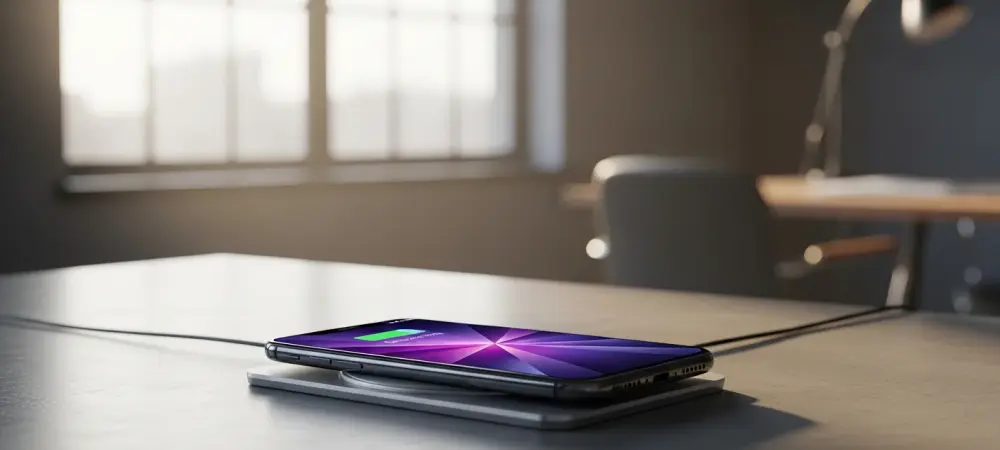
The Motorola Signature builds its value proposition on a foundation of exceptional core features, particularly in areas concerning daily usability and longevity. One of its most impressive engineering feats is packing a substantial 5,200mAh battery into a sleek and lightweight chassis that weighs only 186g. This focus on endurance is complemented by astonishingly fast charging capabilities, with 90W wired and 50W wireless charging speeds that significantly outpace the offerings from industry giants like Apple and Samsung. This translates to less time tethered to an outlet and more time using the device. The user experience is further elevated by a vibrant 6.8-inch, 165Hz LTPO display, which promises both buttery-smooth scrolling and intelligent power management. Security is handled by a modern ultrasonic fingerprint reader embedded in the display. Durability is another key focus, with the device boasting a robust IP68/IP69 rating for superior protection against water and dust ingress. Finally, the inclusion of a versatile USB-C 3.1 port, which supports external displays through the Smart Connect desktop mode, adds a layer of productivity not always found in its class.
The Verdict on Value
To achieve its aggressive price point, the Motorola Signature made several strategic compromises that distinguish it from the most expensive flagships on the market. The device is powered by the standard Snapdragon 8 Gen 5 chipset rather than the top-tier “Elite” version, a decision that provides more than enough performance for nearly all users while trimming costs associated with peak benchmark scores. Similarly, its camera system, while highly capable with a versatile array of four 50MP sensors, was not engineered to be “Ultra-grade” in the same vein as the photography-focused flagships from competitors. This setup will deliver excellent results for everyday shooting but may not satisfy enthusiasts seeking the absolute best in mobile imaging. However, where the Signature truly solidified its long-term value was in its software commitment. By promising an impressive seven years of OS updates, Motorola matched the industry leaders and ensured the device would remain secure and feature-rich for years to come. Ultimately, the Motorola Signature represented a shrewd and well-balanced entry that challenged the conventional definition of a flagship, compelling consumers to prioritize features like battery life, charging speed, and display quality over raw processing power and the most advanced camera hardware.