

Mobile technology enthusiasts have long anticipated a device that could effectively bridge the gap between high-performance computing and true multi-day endurance without sacrificing sleek aesthetics. The recent introduction of the Motorola Edge 70 Pro+ addressed this specific market demand by integrating a staggering 6,500mAh battery into a chassis that remains remarkably thin and ergonomic. As generative artificial intelligence and high-bandwidth 5G applications continue to tax mobile hardware, the need for increased energy density has transitioned from a luxury to a fundamental necessity for professional and casual users alike. This new flagship arrived at a time when the industry struggled to balance the heat generated by next-generation processors with the physical volume required for traditional lithium-ion cells. By pushing the boundaries of internal hardware arrangement, the device offered a compelling solution for those who refused to be tethered to wall chargers throughout the day.
Architectural Engineering: Redefining Mobile Power Efficiency
Material Innovation: The Shift to Silicon Carbon Anodes
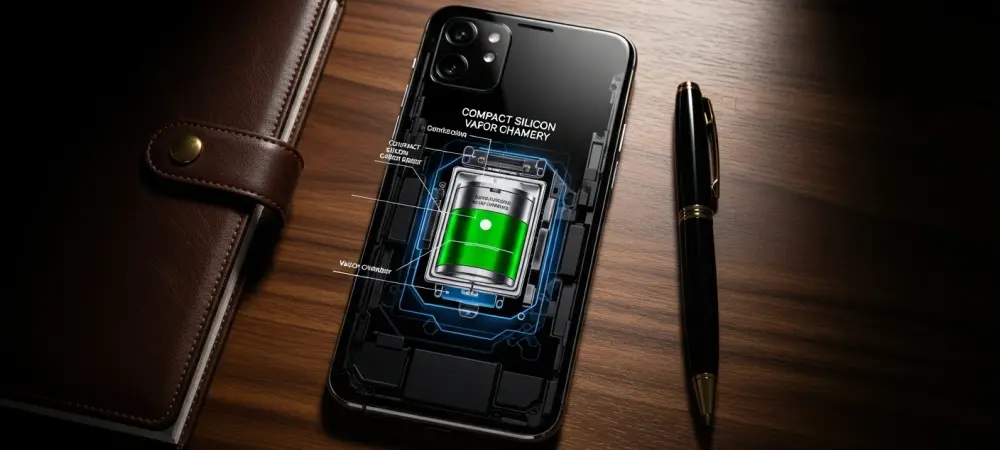
The primary driver behind the impressive capacity of the Motorola Edge 70 Pro+ resided in the implementation of advanced silicon-carbon anode technology. Traditional graphite anodes have largely reached their theoretical limits regarding energy storage per unit of volume, leading many manufacturers to produce increasingly bulky handsets to extend battery life. By utilizing silicon-carbon materials, engineers achieved a significantly higher energy density, allowing for a 6,500mAh capacity in a footprint previously reserved for 5,000mAh units. This transition required sophisticated chemical stabilization to manage the expansion and contraction of silicon during charge cycles, a technical hurdle that had delayed widespread adoption in previous iterations. The result was a power cell that not only lasted longer but also maintained its structural integrity over hundreds of discharge cycles, ensuring that the flagship performance did not degrade prematurely over the lifespan of the device.
Beyond the chemical composition of the battery itself, the internal architecture of the phone was meticulously reorganized to prioritize volume efficiency. Motorola utilized a stacked motherboard design and miniaturized peripheral components to carve out the necessary space for the enlarged energy cell. This engineering feat ensured that the device maintained a profile of just 8.2 millimeters, a dimension that stood in stark contrast to the heavy, ruggedized phones usually associated with high-capacity batteries. The chassis incorporated a high-strength magnesium alloy frame that provided the necessary rigidity to protect the dense battery while keeping the overall weight manageable for one-handed use. This focus on premium materials allowed the handset to retain the signature “Edge” aesthetic, characterized by curved glass and slim bezels, without the compromises in ergonomics that typically haunt the ultra-premium mobile segment when battery life is prioritized.
Thermal Systems: Sustaining Peak Performance Through Cooling
Maintaining peak performance in a device with such high energy density necessitated a complete overhaul of the existing thermal management protocols. The Edge 70 Pro+ featured a sophisticated dual-vapor chamber system that effectively dissipated heat from both the primary processor and the high-speed charging circuits. When utilizing the 125W TurboPower wired charging, the battery generated significant thermal energy that could potentially lead to throttling or long-term cell damage. To mitigate this, the cooling system utilized a series of graphite sheets and liquid-phase transition cycles to move heat toward the external frame, where it could be radiated away from the user’s palm. This thermal efficiency was crucial for supporting the Snapdragon flagship chipset, which demanded consistent temperature regulation to provide the high frame rates and AI processing speeds expected in the current mobile landscape. The integration of artificial intelligence within the power management layer further optimized how the hardware consumed its massive energy reserves. Software algorithms monitored user habits to predict when the device would be under heavy load, proactively adjusting the clock speeds and background processes to prevent unnecessary drain. This intelligent scheduling meant that the 6,500mAh reservoir was utilized with surgical precision, extending the operational time even further than raw capacity numbers might suggest. In retrospect, the development team prioritized a holistic approach where hardware cooling and software intelligence worked in tandem to preserve the health of the silicon-carbon cell. This strategy proved successful in establishing a new industry benchmark for endurance, forcing competitors to reconsider their reliance on older battery chemistries. By focusing on these specific technological advancements, the device provided a clear roadmap for the future of mobile productivity.