

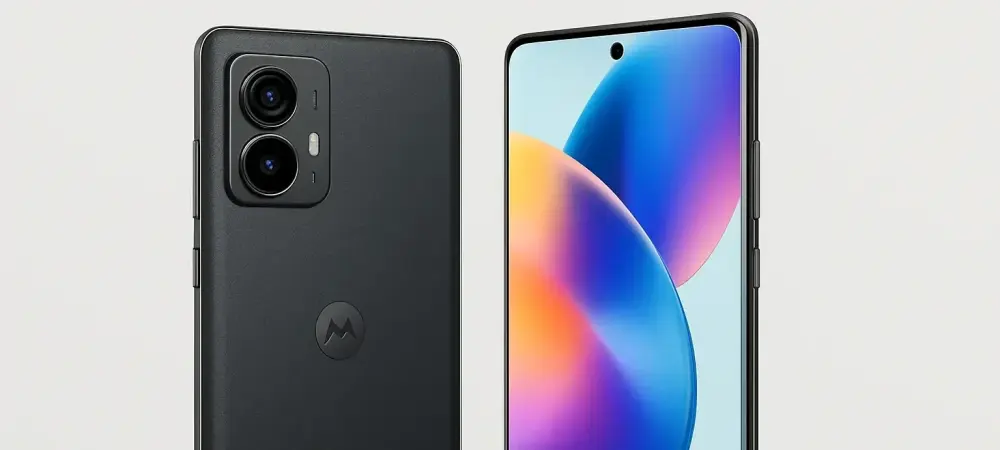
I’m thrilled to sit down with Dominic Jainy, a seasoned IT professional whose deep knowledge of cutting-edge technologies like artificial intelligence, machine learning, and blockchain gives him a unique perspective on the smartphone industry. With leaks and rumors swirling around the upcoming Motorola Edge 70 5G, Dominic is the perfect person to help us separate fact from speculation and dive into what this device might mean for global markets. Today, we’ll explore the potential launch timeline, pricing strategy, design elements, and how this phone could position itself among competitors.
Can you share any insights on whether Motorola is gearing up to launch the Edge 70 5G in global markets anytime soon?
While there’s no official confirmation from Motorola yet, the buzz in the tech community suggests that the Edge 70 5G is on the horizon for global markets. Leaks and tipster reports point to a potential rollout following the debut of the Moto X70 Air in China. I’d wager we could see something concrete within the next few months, likely targeting regions like Europe and India where Motorola has a strong presence.
What are your thoughts on the rumored price of around 690 Euros, or about $750, for the Edge 70 5G?
That price point seems plausible for a mid-to-premium range device, especially if it’s packing high-end specs like 12GB of RAM and 512GB of storage. However, it’s a significant jump from the Edge 60, which launched at roughly $310 in India. If accurate, Motorola might be aiming to position the Edge 70 5G as a more upscale offering, possibly to compete with brands in the higher mid-range segment.
How do you think this pricing strategy could impact its competitiveness in the global smartphone market?
At $750, the Edge 70 5G will need to deliver exceptional value to stand out. The mid-range market is incredibly crowded, with players like Samsung, Xiaomi, and OnePlus offering feature-packed devices at similar or lower prices. Motorola will need to justify the price with standout features—maybe AI capabilities or a superior camera system—to avoid being overshadowed by competitors.
The leak mentions unique color options like Pantone Bronze Green, Pantone Gadget Gray, and Pantone Lily Pad. What’s your take on these shades?
These colors sound quite distinctive and suggest Motorola is leaning into a premium, trendy aesthetic. Pantone collaborations often result in eye-catching, sophisticated tones that can appeal to younger, style-conscious consumers. Bronze Green and Lily Pad, for instance, evoke a natural, earthy vibe, while Gadget Gray might cater to those who prefer a sleek, modern look. It’s a smart move to differentiate the phone visually.
Do you think these colors are tailored to a specific demographic or region?
Absolutely. Colors often play a big role in marketing to specific audiences. These shades could resonate well with urban, tech-savvy users in markets like Europe or North America, where unique design elements are often a selling point. Motorola might also be testing the waters to see how bold color choices are received before rolling out more options or region-specific variants.
Speaking of specs, the leak points to a 12GB RAM and 512GB storage configuration. How well do you think this meets the needs of today’s smartphone users?
That’s a robust setup for most users, especially at this price range. 12GB of RAM ensures smooth multitasking and gaming, while 512GB of storage is more than enough for apps, photos, and videos. It aligns well with current expectations for mid-to-high-end devices, though power users might still crave even higher RAM options for future-proofing.
There’s speculation that the Edge 70 5G could be a rebranded version of the Moto X70 Air launching in China. What can you tell us about this possibility?
It’s not uncommon for Motorola to rebrand devices for different markets, and the Edge 70 5G being a global variant of the Moto X70 Air makes sense. The X70 Air is rumored to have a thin profile and AI features, which could carry over. Rebranding often allows companies to tweak specs or designs slightly to suit regional preferences, so I wouldn’t be surprised if this turns out to be true.
If it is a rebranded device, do you expect any notable differences between the two models in terms of features or design?
There could be minor adjustments, like software optimizations for global audiences or tweaks to the camera system based on market feedback. Design-wise, they might share the same core look—think flat display and triple-camera setup as per the leaks—but Motorola might adjust color availability or add features like regional 5G band support to cater to international users.
The leaked renders highlight a flat display and a triple-camera setup. What are your impressions of the design direction for the Edge 70 5G?
From what’s been shared, the design seems to follow current trends—flat displays are becoming a staple for a modern, minimalist look, and they’re often paired with slim bezels for a premium feel. The triple-camera array suggests Motorola is focusing on photography, possibly with versatile lenses. The hole-punch cutout for the selfie camera and subtle accents around the sensors also hint at a refined, thoughtful design that could appeal to a wide audience.
Looking ahead, what is your forecast for how the Motorola Edge 70 5G might shape up against its competitors in the mid-range segment?
If the specs and pricing hold true, the Edge 70 5G has the potential to carve out a solid spot in the mid-range market, especially if it leverages unique features like AI enhancements or a standout camera. However, it’ll face stiff competition from brands that have loyal followings in this space. Motorola’s success will hinge on balancing price with innovation—offering something fresh that justifies the cost while maintaining the reliability the brand is known for. I’m optimistic, but they’ll need to nail the execution.