

A new contender has emerged from an established technology titan, aiming to redefine expectations by equipping a single device with not one, but four distinct 50-megapixel cameras. Motorola’s official launch of the Signature smartphone at the Consumer Electronics Show (CES) signifies more than just another product release; it represents a deliberate and ambitious entry into the highest tier of the mobile market. The device immediately captures attention with its formidable imaging hardware, setting a new benchmark and challenging rivals to reconsider their own photographic philosophies. This move marks the debut of an entirely new premium product line, signaling a clear intent to compete directly with the industry’s most entrenched players.
A New Peak in the Smartphone Megapixel War
The introduction of a quad-50MP camera system inevitably raises a pivotal question about the direction of mobile photography. For years, the industry has engaged in a “megapixel war,” with manufacturers vying to offer higher resolutions. The Motorola Signature pushes this trend to its logical extreme, suggesting a strategy where sheer data-capturing capability is paramount. By equipping every single camera—from the primary shooter to the ultra-wide, telephoto, and even the front-facing sensor—with a high-resolution 50MP sensor, Motorola is making a powerful statement about consistency and quality across all shooting scenarios.
This approach challenges the conventional wisdom of using a single, high-spec main sensor paired with lower-resolution secondary lenses. The central appeal of the Signature lies in its promise that no photographic mode is a compromise. Whether a user is capturing a sprawling landscape, zooming in on a distant subject, or taking a self-portrait, the underlying hardware is designed to deliver a uniform standard of detail and clarity. This focus on imaging parity across the entire system serves as the phone’s core identity and its primary argument for a place at the top of the market.
Forging a New Identity in a Crowded Market
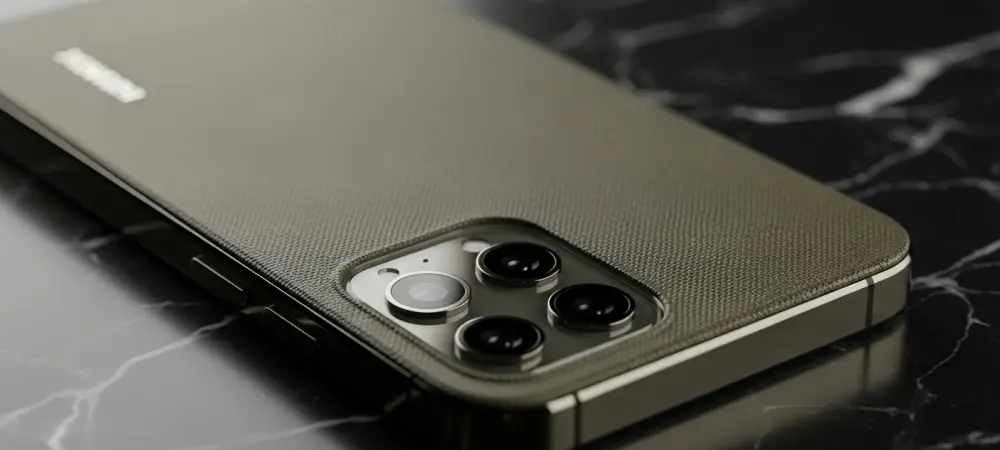
Beyond its camera prowess, the Motorola Signature represents a strategic pivot for the brand. With this new line, Motorola is consciously carving out a fresh identity in the premium segment, separate from its well-known Moto G and Edge families. The design language of the device underscores this ambition. A contoured frame milled from aircraft-grade aluminum provides a rigid and refined foundation, while the back panel, featuring distinctive twill linen-inspired textures, adds a tactile and visual sophistication. Available in colors like Pantone Carbon and Pantone Martini Olive, the aesthetic is both modern and understated.
This emphasis on premium materials and a unique design philosophy aligns with a broader industry trend where smartphones are increasingly viewed as luxury lifestyle accessories. In a market saturated with glass-and-metal slabs, the Signature’s unique texture and build quality are intended to create an emotional connection with the consumer. It is a device engineered not just for performance but also for presence, signaling that its owner values both technological innovation and sophisticated craftsmanship. This strategy aims to attract discerning buyers who seek differentiation in a field of otherwise similar-looking flagships.
A Deep Dive into the Signature’s Core Technologies
The heart of the phone’s appeal is undoubtedly its quad-50MP camera array. The rear system is a versatile trio, led by a primary camera utilizing Sony’s advanced LYTIA 828 sensor. This is complemented by a 50MP ultra-wide-angle lens for expansive shots and a 50MP periscope telephoto sensor that delivers 3x optical zoom for crisp, detailed close-ups. For the front, Motorola has integrated a 50MP Sony LYTIA 500 sensor, ensuring that selfies and video calls are captured with the same high-resolution fidelity as the main cameras, a rarity in the smartphone space.
Matching the camera system’s ambition is a display engineered for an unparalleled visual experience. The device features a large 6.8-inch Super HD LTPO AMOLED screen, which boasts a fluid 165Hz refresh rate for exceptionally smooth scrolling and animations. Its most remarkable specification, however, is an industry-leading peak brightness of 6,200 nits, ensuring outstanding visibility even in the harshest direct sunlight. Furthermore, the display is Pantone-validated, a certification that guarantees superior color and skin tone accuracy, making it an ideal canvas for creative professionals who rely on true-to-life color representation.
Underpinning these features is a powerhouse core built for next-generation performance and endurance. The Motorola Signature is powered by Qualcomm’s latest Snapdragon 8 Gen 5 chipset, ensuring top-tier processing capabilities for demanding applications and multitasking. This is paired with a generous 16GB of LPDDR5X RAM and 512GB of high-speed UFS 4.1 internal storage. A robust 5,200mAh silicon-carbon battery provides the necessary stamina, supported by 90W wired and 50W wireless TurboPower charging, which dramatically reduces downtime.
Credibility Through Partnerships and Unprecedented Support
Motorola has fortified the Signature’s premium credentials by leveraging expertise from established industry leaders. The collaboration with Sony for its state-of-the-art LYTIA imaging sensors is central to the phone’s photographic promise. Similarly, the partnership with Pantone ensures the display meets professional standards for color accuracy, while the inclusion of dual stereo speakers tuned with Dolby Atmos provides an immersive audio experience. These alliances demonstrate a commitment to integrating best-in-class components rather than relying solely on in-house solutions.
Perhaps the most significant value proposition is Motorola’s bold promise for device longevity. The company has committed to providing an unprecedented seven major OS upgrades and seven years of security updates for the Signature. This level of long-term support is a game-changer in the Android ecosystem, directly challenging the standards set by its top competitors. It positions the phone not as a disposable gadget but as a sustainable, long-term investment, assuring users that their device will remain secure and up-to-date for years to come.
Reinforcing its luxury positioning, the Signature comes with exclusive perks designed to elevate the ownership experience. Chief among these is an on-demand “white-glove” assistance service, offering personalized support and access to exclusive lifestyle benefits. This concierge-style service transforms the device from a mere communication tool into a gateway to a premium ecosystem, further differentiating it from mainstream offerings and catering to the expectations of high-end consumers.
Translating High-End Specifications into Real-World Advantages
The versatile camera system translates directly into a pocket-sized creative studio for any scenario. The telephoto lens allows users to capture professional-grade portraits with natural background compression, while the ultra-wide lens is perfect for capturing sweeping landscapes or large group photos without distortion. The consistency of the 50MP sensors means users can switch between lenses without a noticeable drop in image quality, empowering them to focus on creativity rather than technical limitations.
Motorola also engineered the Signature for extreme durability, ensuring its premium design is matched by resilience. The device carries both IP68 and IP69 ratings, certifying its resistance to dust and both low- and high-pressure water immersion. Moreover, its MIL-STD 810#0 certification signifies that it has been tested to withstand harsh environmental conditions, including drops, shocks, and extreme temperatures. These credentials provide practical peace of mind, assuring users that their investment is protected against the rigors of daily life.
Finally, the device is thoroughly future-proofed with the latest in wireless technology. The inclusion of Wi-Fi 7 prepares the Signature for the next wave of ultra-fast, low-latency networks, while Bluetooth 6 ensures seamless connectivity with emerging accessories and smart devices. This forward-looking approach to connectivity ensures that the phone will remain at the technological forefront, capable of taking full advantage of network and peripheral advancements as they become available. This launch was not merely about introducing another high-end smartphone; it was a calculated maneuver to reshape market perceptions and establish a new standard for what a flagship device can offer. By combining an audacious camera system with a robust software commitment and a refined design, Motorola made a compelling argument for its place among the industry’s elite. The Signature’s debut challenged the status quo and set a new, higher bar for competitors, leaving a lasting impression that prioritized both cutting-edge innovation and long-term user value.