

Introduction: The Evolution of Motorola’s Mid-Range Lineup
Motorola’s new Moto G67 arrives not just as another yearly update but as a strategic re-evaluation of what mid-range smartphone users truly value in their daily devices. For years, the Moto G series has been a cornerstone of the budget-to-mid-range market, consistently delivering reliable performance without a premium price tag. Now, with the launch of the Moto G67, Motorola presents a successor to the 2024 Moto G64 that intentionally trades some specifications for others, creating a compelling dilemma for potential buyers. This analysis will dissect the key upgrades and compromises between these two models, examining components from industry giants like MediaTek, Sony, and Gorilla Glass to clarify which device offers the best package. By comparing these handsets, this article aims to guide consumers toward an informed decision based on their individual priorities.
Core Specifications: A Head-to-Head Breakdown
Display and Design: A Leap in Visuals
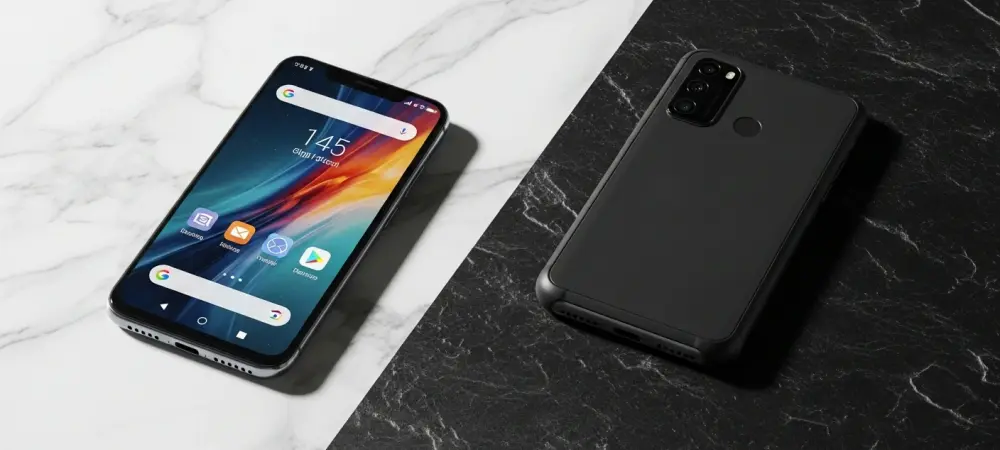
The most immediate and striking upgrade the Moto G67 brings to the table is its display. It features a large 6.78-inch FHD+ AMOLED panel, a significant step up from the likely less vibrant screen technology of its predecessor. With a fluid 120Hz refresh rate, interactions and content consumption feel exceptionally smooth. Furthermore, Motorola has fortified the screen with Gorilla Glass 7i, offering a level of durability often reserved for more expensive devices.
This visual enhancement is complemented by a refreshed design language. The Moto G67 adopts a modern “gas stove” style camera module on its rear, creating a distinct look that sets it apart from the G64. The new aesthetic is available in two sophisticated Pantone-certified colors, Nile and Arctic Seal, signaling a move toward a more premium and style-conscious presentation.
Performance and Memory: The Power Trade-Off
Under the hood, the Moto G67 introduces a fascinating trade-off in processing power. It is equipped with the MediaTek Dimensity 6300 chipset, a capable processor for everyday tasks but one that represents a potential compromise in raw performance compared to the hardware in its predecessor. This decision suggests Motorola prioritized efficiency and other features over sheer computational strength.
To support the processor, the Moto G67 is available in two memory configurations: 4GB or 8GB of RAM, both enhanced with a RAM boost feature to improve multitasking. Storage options are generous, with 128GB or 256GB of internal space, which can be expanded up to an immense 2TB via a MicroSD card. This ensures that while the phone may not be a powerhouse, it offers ample flexibility for media and apps.
Camera Systems: A New Sensor in Play
Photography is another area where the Moto G67 makes a significant leap forward. The device features a new dual-camera system headlined by a 50MP Sony LYTIA 600 primary sensor. This modern sensor promises improved light capture and detail, which should translate to superior photos, especially in challenging conditions. It is paired with an 8MP ultrawide camera, providing versatility for capturing expansive landscapes or group shots. In contrast to the G64’s setup, the G67 also dramatically upgrades its front-facing camera to a 32MP sensor. This higher resolution is a clear advantage for selfie enthusiasts and video callers, delivering sharper and more detailed images. The inclusion of the Sony sensor and the enhanced front camera are arguably the most compelling hardware upgrades for shutterbugs.
Battery and Charging: Endurance vs. Modernity
Battery life presents the most significant compromise in the Moto G67. The device is powered by a 5,200mAh battery, which is a notable reduction from the massive 6,000mAh cell found in the Moto G64. This change means that users who prioritize maximum endurance and multi-day usage might find the older model more appealing.
However, Motorola has balanced this reduction in capacity with an improvement in charging technology. The Moto G67 supports faster 30W wired charging, allowing users to replenish the battery more quickly. This creates a clear choice for consumers: the superior raw longevity of the Moto G64 versus the more modern convenience of faster charging on the Moto G67.
User Experience and Special Features
Beyond the core specifications, the Moto G67 is refined with several quality-of-life features that enhance the daily user experience. It boasts an IP64 rating for dust and water resistance, providing peace of mind against splashes and particles. For audio lovers, the inclusion of stereo speakers with Dolby Atmos support and a traditional 3.5mm headphone jack ensures a rich and flexible listening experience.
Connectivity also sees a welcome upgrade with the inclusion of NFC for contactless payments and Bluetooth 5.4 for more stable and efficient wireless connections. On the software front, the Moto G67 runs on the latest Android 16, overlaid with Motorola’s clean Hello UX. This ensures a modern, secure, and feature-rich software environment right out of the box, giving it a distinct advantage over its predecessor’s older operating system.
Conclusion and Buyer’s Guide
In summarizing the comparison, a clear picture emerges of two devices tailored for different priorities. The Moto G67 offers a vastly superior media experience, thanks to its brilliant AMOLED display and a more capable and versatile camera system powered by a new Sony sensor. Its modern design and updated software provide a more premium feel. In contrast, the Moto G64 remains the undisputed champion of battery endurance, holding a significant advantage with its larger 6,000mAh cell.
For potential buyers, the choice is straightforward. The Moto G67 is the ideal device for users who prioritize screen quality, photography, and a modern software experience. It is perfectly suited for streaming video, capturing high-quality photos, and enjoying a polished user interface. Conversely, the Moto G64 is the better option for those whose primary concern is maximizing time between charges. With the Moto G67 starting at €259.99 and £199.99, its value proposition is strong for those willing to trade a bit of battery life for a major upgrade in display and camera technology.