

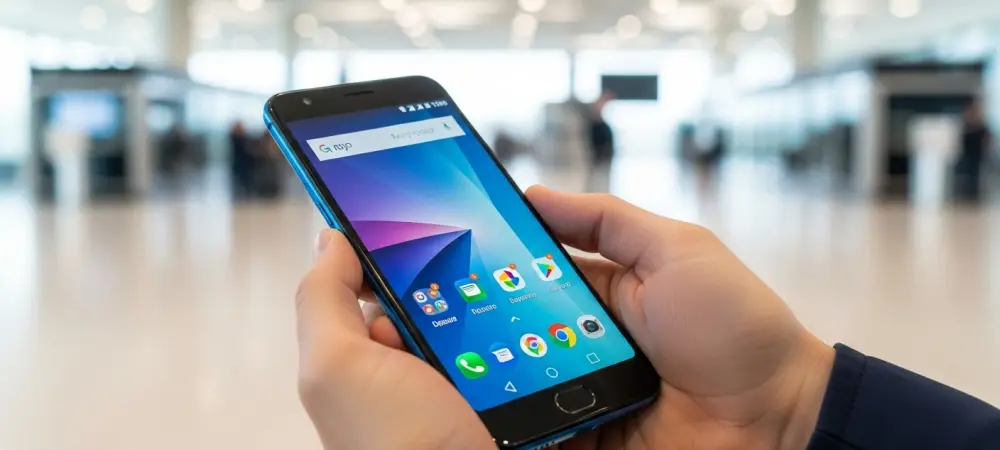
In the fiercely competitive landscape of budget smartphones, the line between a sensible purchase and a compromise is often blurred by a single, decisive feature. The Moto G series has long navigated this territory, and its latest offerings, the G17 and G17 Power, continue this tradition by presenting consumers with a focused choice. This review will explore the evolution of the series through these new additions, detailing their key features, performance metrics, and the critical differences that set them apart. The purpose is to provide a thorough understanding of these devices, their current capabilities, and their potential positioning in the market.
An Introduction to Motorola’s Shared Platform Strategy
The Moto G17 and G17 Power are prime examples of a shared platform strategy, a common approach in the entry-level market designed to streamline development and production. At their core, these two devices are nearly identical twins, built upon the same hardware foundation. They serve as direct successors to the Moto G15 series, carrying forward the brand’s commitment to affordability and practical features.
This approach allows Motorola to cater to slightly different consumer preferences without developing two entirely separate products. By establishing a common baseline of performance and features, the company can then introduce a key variation—in this case, battery capacity—to create distinct value propositions. For consumers, this simplifies the decision-making process, shifting the focus from a broad comparison of specifications to a specific choice based on personal priorities.
Analysis of Core Specifications and Features
Display and Build Quality
Both the Moto G17 and G17 Power are built around a large 6.72-inch FHD+ LCD panel, a size that offers ample screen real estate for media consumption and daily tasks. The display is protected by Corning Gorilla Glass 3, providing a degree of durability against scratches and minor drops. However, the panel is limited to a standard 60 Hz refresh rate, a specification that feels dated in a market where 90 Hz and even 120 Hz screens are becoming increasingly common, even in the budget segment.
The physical construction of both phones is otherwise modern and practical. They share an IP64 rating for dust and water resistance, ensuring they can withstand splashes and light rain. Motorola continues its partnership with Pantone, offering the devices in three sophisticated color options: Pantone Bordeaux, Pantone Alaskan Blue, and Pantone Evening Blue. This attention to aesthetic detail helps elevate the phones beyond their entry-level classification.
Under the Hood Performance and Storage
Powering both models is the MediaTek Helio G81 Extreme chipset, a processor designed to handle everyday applications, social media, and light gaming with reasonable efficiency. This chipset is complemented by generous memory and storage configurations, with options extending up to 8 GB of RAM and 256 GB of internal storage. This combination ensures smooth multitasking and provides ample space for apps and media.
Furthermore, Motorola has included a microSD card slot, allowing users to expand storage by up to 1 TB. This feature is a significant advantage for users who store large media files or prefer to keep their entire digital library on their device. The availability of substantial RAM and expandable storage positions the G17 series as a capable performer for its intended market segment.
Camera System Capabilities
The camera hardware is another area where the G17 and G17 Power share an identical setup, reflecting a commitment to providing a consistent imaging experience. The rear triple-camera array is headlined by a 50 MP Sony LYTIA 600 primary sensor, a modern component capable of capturing detailed and vibrant photos in good lighting conditions. This main sensor is supported by a 5 MP ultrawide lens, which offers greater flexibility for landscape shots and group photos.
The third lens is a flicker reduction sensor, designed to improve photo and video quality under artificial lighting by minimizing banding effects. For selfies and video calls, both phones are equipped with a high-resolution 32 MP front-facing camera. This robust camera system suggests that Motorola is prioritizing imaging capabilities, a key purchasing factor for many consumers.
Software and Connectivity Features
On the software front, the devices run on Hello UX, a user interface based on Android 15. Motorola’s software is known for its clean, near-stock Android experience, with a few thoughtful additions that enhance usability without adding unnecessary bloat. This streamlined approach typically contributes to smoother performance on entry-level hardware.
Both models are also equipped with a suite of modern conveniences that enhance the user experience. The inclusion of stereo speakers with Dolby Atmos support provides an immersive audio experience for movies and music. Additionally, the presence of a 3.5 mm headphone jack will be welcomed by users with wired audio accessories, while NFC support enables convenient contactless payments.
The Key Differentiator Battery Life and Charging
While the G17 and G17 Power share an extensive list of specifications, their identities are ultimately defined by a single, crucial difference: battery capacity. This distinction not only affects endurance and charging speeds but also influences the physical feel and handling of each device, creating two distinct options for different types of users.
Moto G17 Power Built for Endurance
The Moto G17 Power lives up to its name with a massive 6,000 mAh battery, positioning it as the marathon runner of the pair. This substantial capacity is designed for users who demand multi-day usage without needing to reach for a charger. It caters to heavy users, travelers, and anyone who values the peace of mind that comes with exceptional battery life.
To complement the large battery, the G17 Power supports faster 30W wired charging, which helps reduce the time it takes to recharge such a large cell. The trade-off for this endurance is weight; at 201.5 grams, it is the heavier of the two models, a factor that some users may notice during extended use.
Moto G17 The Lighter Standard
In contrast, the standard Moto G17 is equipped with a slightly smaller 5,200 mAh battery. While still a very respectable capacity that should easily last a full day for most users, it doesn’t offer the extreme endurance of its Power sibling. This model is aimed at the average user whose daily routine does not necessitate a multi-day battery.
The charging speed is also reduced to 18W, which is adequate but noticeably slower than the Power variant. The primary benefit of this configuration is a more manageable physical profile. Weighing 189.9 grams, the standard G17 is lighter and may feel more comfortable in the hand and pocket, making it the more ergonomic choice for everyday portability.
Target Audience and Real-World Applications
The distinct battery configurations of the G17 and G17 Power naturally create different target audiences. The G17 Power is clearly designed for the “power user” in the budget segment—someone who relies heavily on their phone for work, navigation, and entertainment throughout the day and often away from a power source. It is an ideal companion for gig economy workers, frequent travelers, or anyone who simply wants to eliminate battery anxiety.
The standard Moto G17, on the other hand, appeals to a broader demographic seeking a reliable and balanced daily driver. Its lighter weight and more conventional battery life make it a practical choice for students, casual users, and individuals who prioritize comfort and portability over maximum endurance. For these users, the 5,200 mAh battery is more than sufficient for typical daily tasks like messaging, browsing, and social media.
Potential Challenges and Unanswered Questions
Despite their well-rounded feature set, the Moto G17 and G17 Power face a significant market challenge in their use of a 60 Hz display. As competitors increasingly adopt higher refresh rates in the entry-level space, a standard refresh rate can make a device feel less fluid and responsive, potentially deterring customers who have experienced smoother screens.
Moreover, several critical pieces of information remain unknown, and these factors will ultimately determine the devices’ success. Motorola has not yet confirmed the pricing, regional availability, or its software update commitment for the G17 series. An aggressive price point could make the 60 Hz display a reasonable trade-off, but a high price would render the phones uncompetitive. Similarly, a clear and timely update policy is crucial for long-term value and security.
Future Outlook and Market Positioning
The Moto G17 and G17 Power enter a crowded and highly competitive segment of the smartphone market. Their success will not be determined by their specifications alone but by how effectively Motorola positions them through strategic pricing. If priced correctly, they offer a compelling value proposition, particularly with their strong camera systems, large batteries, and clean software experience.
The long-term impact of these devices will depend on their ability to stand out against established competitors from brands like Xiaomi, Realme, and Samsung. The core strategy of offering a choice between extreme endurance and a more balanced, lighter profile is a sound one. However, its effectiveness hinges entirely on whether the final retail price aligns with the expectations of budget-conscious consumers.
Conclusion and Final Assessment
The Moto G17 and G17 Power presented a clear and logical extension of Motorola’s entry-level strategy. They were well-equipped, fundamentally similar devices that were intelligently differentiated by their battery and charging specifications. This allowed them to appeal to distinct user priorities without fragmenting the product line. However, their ultimate success was always contingent on external factors. The final verdict on their market impact hinged on the pricing, availability, and software support details that Motorola had yet to reveal, leaving their compelling hardware in a state of competitive uncertainty.