

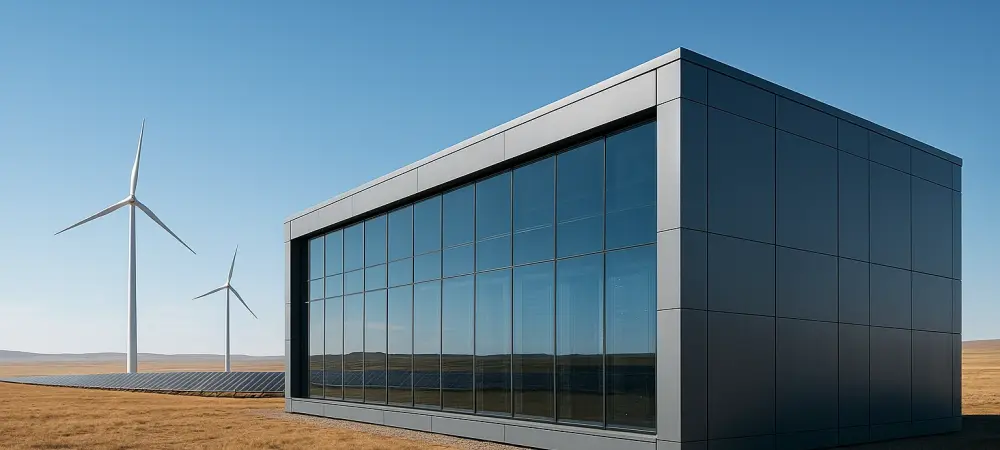
International investors are being offered a unique value proposition that combines low-cost green energy with a stable, democratic regulatory environment. Mongolia has effectively repositioned itself as a prime candidate for hosting energy-intensive digital infrastructure, leveraging its vast Gobi Desert for wind and solar power generation. This shift reflects a broader strategy to diversify the national economy away from traditional mining and toward high-tech services. By 2026, the government has already implemented streamlined permitting processes and tax incentives specifically designed for data center operators. These facilities benefit from the naturally cool climate, which significantly reduces the energy required for cooling systems, a major operational expense for tech giants. The intersection of affordable renewables and a supportive political climate makes the country an attractive alternative to saturated markets in East Asia. Consequently, major firms are looking toward Ulaanbaatar as a regional hub for data processing.
Environmental Efficiency: The Natural Cooling Advantage
Maximizing Thermal Efficiency in Arctic Conditions
The physical environment of the Mongolian steppe offers a distinct technical advantage that few other regions can replicate without incurring massive overhead costs. Because temperatures remain low for a significant portion of the year, data centers can utilize ambient air cooling methods instead of power-hungry liquid chillers or industrial air conditioning units. This direct air cooling approach minimizes the Power Usage Effectiveness ratio, bringing it closer to the ideal 1.0 mark. Engineers have successfully integrated modular facility designs that adapt to seasonal shifts, ensuring that heat dissipation remains efficient even during the warmer summer months. Such environmental characteristics are not just cost-saving measures; they are critical for corporations aiming to meet ambitious net-zero carbon targets. By locating servers in a region where the environment does the heavy lifting, providers can offer hosting services that are truly sustainable rather than just offset by carbon credits.
Sustainable Energy and Grid Stability
Complementing the cold weather is the country’s aggressive expansion of renewable energy projects which are now coming online between 2026 and 2028. Large-scale wind farms in the southern provinces provide a steady supply of electricity that is increasingly independent of the traditional coal-fired grid. This transition is supported by advanced battery energy storage systems that stabilize the supply, ensuring that data centers have the 99.9 percent uptime required for mission-critical operations. The synergy between solar irradiance in the Gobi and the consistent winds of the northern plains creates a balanced renewable portfolio. Tech companies looking to de-risk their supply chains from fossil fuel volatility find this transition particularly compelling. Furthermore, the landlocked nature of the country is being turned into a security asset, as it offers a physically secure location for sensitive data archives away from crowded coastal zones, providing a unique refuge for global data.
Policy Frameworks: Ensuring Security and Growth
Legal Standards: Data Privacy and Protection
A robust legal foundation has been established to protect intellectual property and ensure data privacy, aligning national standards with international protocols such as the GDPR. This alignment is crucial for attracting European and North American firms that require strict compliance for their offshore data processing. The government has also introduced the Digital Mongolia initiative, which prioritizes the expansion of high-capacity fiber-optic cables connecting the region to both Russian and Chinese networks. This transit role allows the country to serve as a digital bridge, offering lower latency for cross-continental traffic than traditional undersea routes. By 2026, several Special Economic Zones have been designated specifically for the ICT sector, offering exemptions from customs duties on imported hardware. These policies create a predictable environment where long-term capital investments can flourish without the fear of sudden regulatory shifts or prohibitive operational taxes.
Human Capital: Building a Technical Workforce
Beyond tax breaks, the focus has shifted toward building a specialized workforce capable of managing sophisticated cloud environments and cybersecurity protocols. Educational partnerships between national universities and global tech leaders have produced a new generation of engineers who are proficient in managing high-density server clusters. This human capital investment ensures that international firms do not need to rely solely on expatriate talent to run their local operations. The integration of local talent also drives down operational costs while fostering a domestic ecosystem of software developers and system administrators. Moreover, the government has facilitated private-public partnerships to modernize the local internet exchange points, which enhances internal connectivity and supports a burgeoning domestic digital economy. These combined efforts demonstrate a comprehensive approach that goes beyond just providing land and power, focusing instead on a holistic technological ecosystem.
Strategic Implementation: Building a Sustainable Digital Sanctuary
The path forward required a sustained commitment to infrastructure redundancy and the continued expansion of high-voltage transmission lines. To maintain this momentum, stakeholders prioritized the integration of AI-driven grid management systems that optimized the flow of renewable energy to data hubs. Local planners focused on developing Tier III and Tier IV certified facilities to meet the highest global standards for reliability and security. Investors moved quickly to secure site locations near existing fiber backbones while engaging with local communities to ensure social license for large-scale energy projects. Policymakers also refined cross-border data transfer agreements to facilitate the seamless movement of information across the central Asian corridor. By focusing on these technical and diplomatic prerequisites, the region solidified its role as a sustainable digital sanctuary. Those who participated in the early stages of this transition secured a competitive edge in the evolving global landscape.