

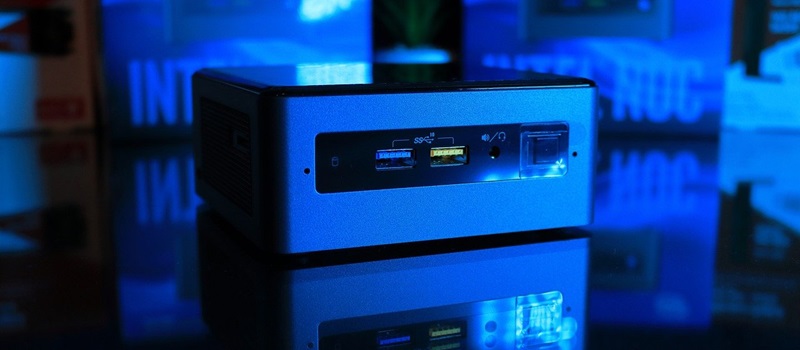
In the world of mini PCs, EDGE has made a significant breakthrough by integrating AMD’s handheld Ryzen Z1 APU, resulting in early tests showcasing promising entry-level performance. The combination of a mini PC form factor with AMD’s cutting-edge technology is sure to entice tech enthusiasts and consumers looking for a powerful yet compact computing solution.
The capabilities of AMD’s Ryzen Z1 APU
AMD’s Ryzen Z1 APU is specifically designed to deliver exceptional CPU and GPU capabilities for low-power devices. It leverages the latest Zen 4 and RDNA 3 architectures, ensuring efficient and optimized performance in mini PCs. This means users can enjoy smooth multitasking and superior graphics processing without compromising on power efficiency.
Specifications of the Ryzen Z1 APU
Let’s delve into the specifications of the Ryzen Z1 APU that make it a standout choice in the mini PC market. The APU features 6 Zen 4 cores and 12 threads, enabling seamless multitasking and efficient handling of demanding workloads. With 16 MB of L3 cache, data access speeds are boosted, resulting in snappy performance.
Accompanying the CPU prowess is the Radeon 740M graphics unit, which provides 4 RDNA 3 compute units. These units enhance the graphical capabilities of the mini PC, delivering stunning visuals and smooth gameplay. Combined with the impressive CPU performance, the Ryzen Z1 APU promises an exceptional computing experience for users.
Performance analysis
While the Ryzen Z1 APU excels in basic tasks, its graphical performance lags behind. This can be attributed to the challenge of fitting powerful components within the limited thermal envelope of a mini PC. Nevertheless, early tests have indicated that the Ryzen Z1 APU handles day-to-day tasks with ease, making it suitable for entry-level users or those requiring a compact yet capable computing solution.
Gaming benchmarks
Moving on to gaming benchmarks, the performance of the Ryzen Z1 APU in titles such as Spider-Man Remastered, Forza Horizon 5, and Grand Theft Auto V is commendable. Despite the limitations imposed by its 44W TDP draw, the APU manages to deliver a decent gaming experience. However, it is crucial to note that further improvements in graphical performance can be achieved if manufacturers find a way to bypass the TDP restrictions.
Potential for improvement
The TDP limitations set on the Ryzen Z1 APU may present some challenges, but there is potential for significant performance enhancements. If manufacturers explore options such as BIOS settings that allow bypassing the TDP restrictions, we could witness an uplift in graphical capabilities, making the Ryzen Z1 APU an even more compelling choice for gamers and multimedia enthusiasts.
Industry adoption of Ryzen Z1 APUs
The adoption of AMD’s Ryzen Z1 APUs in the mini-PC industry is a development that many have eagerly awaited. The powerful combination of Zen 4 CPU architecture and RDNA 3 GPU architecture offers immense capabilities, making these APUs highly desirable for mini PC manufacturers and users alike. The integration of the Ryzen Z1 APU marks a major step forward in the evolution of mini PCs.
Best choice for consumers
For consumers looking to enter the mini-PC market, the standard Ryzen Z1 APU provides an excellent performance-to-dollar ratio. The entry-level performance it offers, coupled with efficient power consumption, makes it an attractive choice for budget-conscious buyers. While it may fall short in terms of graphical prowess, the Ryzen Z1 APU still outperforms many other options in its price range.
EDGE’s integration of AMD’s handheld Ryzen Z1 APU in their mini PC is a testament to the growing demand for compact yet powerful computing solutions. With its Zen 4 and RDNA 3 architecture, the Ryzen Z1 APU delivers impressive CPU and GPU capabilities for low-power devices. While it may have limitations in graphical performance and TDP restrictions, the potential for improvement is evident. Overall, the adoption of Ryzen Z1 APUs in the mini-PC industry marks an exciting advancement, benefiting consumers seeking high-performance computing in a compact form factor.