

Microsoft’s Xbox Cloud Gaming, which was initially introduced as Project XCloud, is poised for significant improvements amidst ongoing criticism regarding its relatively lower latency and quality compared to its competitors. Gamers have often pointed out that Xbox Cloud Gaming lags at a 1080p resolution while rival services like NVIDIA GeForce NOW offer streaming at a superior 4K resolution. Additionally, Boosteroid has also stepped up its game by rolling out 4K support, further highlighting the gap between Microsoft’s service and its competitors. As a result, the tech giant has become increasingly committed to enhancing the Xbox Cloud Gaming experience to remain competitive and attract more users to its platform.
Improvements in bitrates for Xbox Cloud Gaming are currently on the horizon, with Tom Warren from The Verge shedding light on these upcoming changes. Bitrate enhancements are expected to provide better visual clarity for users, although substantial advancements beyond the 1080p resolution have yet to be indicated. This move is seen as a vital step toward improving the overall quality of Xbox Cloud Gaming, making it a more viable option for gamers seeking a high-quality streaming experience. However, latency improvements appear to be contingent upon a significant server hardware upgrade, which may not occur in the immediate future.
Bitrate Enhancements and Its Impact
The increase in bitrates for Xbox Cloud Gaming is a critical development that holds promise for a substantial improvement in visual clarity and overall user experience. By boosting the streaming bitrates, Microsoft aims to minimize visual artifacts and deliver smoother gameplay with more detailed graphics. This enhancement is particularly significant for games with rich, complex visuals where high bitrates can enhance the depth and texture seen by the player, making the games more immersive and enjoyable. However, while bitrate improvements are a step in the right direction, the limitation to a 1080p resolution remains a point of concern.
Users have repeatedly expressed the need for resolutions higher than 1080p to match the offerings of platforms like NVIDIA GeForce NOW and Boosteroid. While increased bitrates may help to some extent, the lack of a 4K resolution option might still deter some gamers seeking the highest quality streaming experience. As of now, there has been no official indication from Microsoft regarding plans to move beyond the 1080p resolution, leading to speculation about the company’s long-term strategy for Xbox Cloud Gaming. Whether the focus will remain on bitrate enhancement alone or if future updates will eventually bring higher resolutions remains to be seen.
Experimental Features: Xbox Together and Direct-to-Cloud Controller
Tom Warren also highlighted two experimental features aimed at further boosting the Xbox Cloud Gaming experience. One such initiative, Xbox Together, aims to create an integrated gaming and socializing environment where users can interact seamlessly while gaming. Think of an experience where gamers can join a virtual room, play their favorite titles, and chat with friends all within a single browser window. While promising in concept, Xbox Together is currently described as a ‘hackathon project,’ suggesting that its public release might not be imminent. Nevertheless, the very exploration of such features underscores Microsoft’s commitment to innovating within the cloud gaming space.
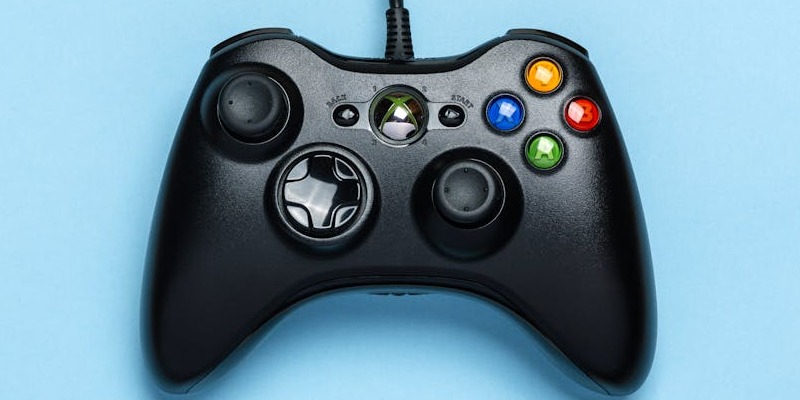
Another intriguing feature under development is a direct-to-cloud controller designed to minimize latency in a manner similar to Google Stadia’s approach. These controllers aim to bypass traditional Bluetooth or USB connections and directly connect to the cloud, potentially reducing input delays and offering a smoother gaming experience. The technology involved in developing a direct-to-cloud controller is complex and still under progress, but it could eventually become a significant selling point for Xbox Cloud Gaming. Minimizing latency is a critical aspect of cloud gaming that can drastically improve user experience, making games feel more responsive and immediate.
Expanding Microsoft’s Audience
Microsoft’s Xbox Cloud Gaming, originally known as Project XCloud, is set for significant enhancements amid ongoing criticism about its latency and video quality. Compared to competitors, Xbox Cloud Gaming currently lags, offering only 1080p resolution while NVIDIA GeForce NOW and Boosteroid provide 4K streaming. This disparity underscores the need for Microsoft to elevate its service. In response, the tech giant is increasingly committed to improving the Xbox Cloud Gaming experience to stay competitive and attract more users.
Tom Warren from The Verge has highlighted forthcoming improvements in bitrates for Xbox Cloud Gaming, which are anticipated to deliver better visual clarity. Despite these bitrate enhancements, substantial improvements beyond the existing 1080p resolution have not been announced yet. This step is crucial for elevating the overall quality of Xbox Cloud Gaming, making it more appealing to gamers seeking high-definition streaming. However, enhancing latency is expected to depend on a major server hardware upgrade, which might not be imminent. This commitment to quality shows Microsoft’s dedication to evolving its gaming platform to meet modern standards.