
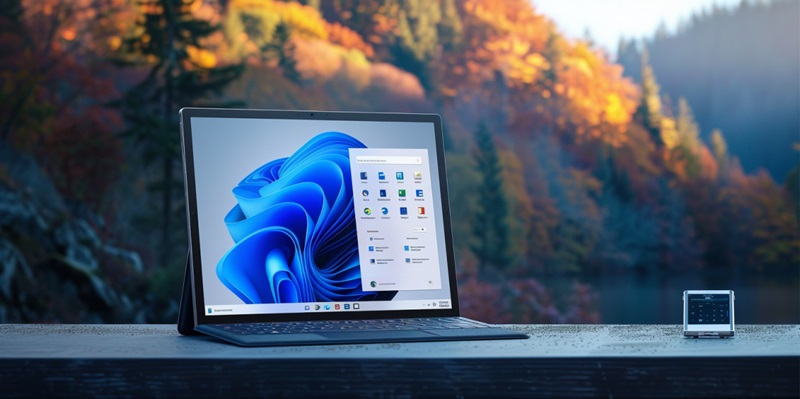
Microsoft to Retire Test Base as Windows 11 Stabilizes Compatibility

In a significant stride toward streamlining its software testing tools, Microsoft has announced the scheduled retirement of Test Base for Microsoft 365—a service designed to facilitate the testing of applications against the latest Windows updates. This move, aligning with the tech giant’s efforts to adapt to the evolving needs of the industry, is set to take effect after May 31, 2024, with Microsoft initiating the wind-down process on March 4, 2024. Test Base has traditionally provided an invaluable sandbox for developers to assess application compatibility and behavior in response to new releases and updates of Windows, effectively mitigating potential disruptions and ensuring smooth transitions.

The decision to sunset Test Base resonates with the improved application compatibility inherent in Windows 11, which has significantly obviated the need for an external testing environment. With a diminished frequency of compatibility issues surfacing post-update, Windows 11 users find less necessity for a dedicated, cloud-based testing service. The positive user feedback and reduced dependence on Test Base have been instrumental in guiding Microsoft’s choice to phase out the platform. However, the company stresses the importance of user preparedness for this transition—encouraging data exportation before the cessation of services—and has provided an FAQ section to help users navigate the forthcoming changes.

Transitioning to a Post-Test Base Environment

As Microsoft retires Test Base, this signals a shift in application management and compatibility assurance with Windows 11. The service’s end reflects the evolution toward applications that are inherently more compatible with new OS iterations, lessening the need for rigorous external testing frameworks. Test Base’s closure highlights a strategic pivot by Microsoft, as it observes a maturing software market capable of self-regulation regarding app reliability and performance.

While there is no direct replacement for Test Base, the move emphasizes the emerging reliance on third-party support and collective technological progression to maintain app excellence on the latest Windows platform. Windows 11’s advanced design, promoting seamless compatibility, underpins this transition, steering the industry toward a future where the software community plays a pivotal role in upholding the integrity and efficiency of apps in a dynamic technological landscape.

Explore more

Effective Email Automation Strategies Drive Business Growth

The digital landscape is currently witnessing a silent revolution where the most successful marketing teams have stopped competing for attention through volume and started winning through surgical precision. While many organizations continue to struggle with the exhausting cycle of manual campaign creation, a sophisticated subset of the market has mastered the art of “set it and forget it” revenue generation.

How Can Modern Email Marketing Drive Exceptional ROI?

Every second, millions of digital messages flood into global inboxes, yet only a tiny fraction of these communications actually manage to convert a passive reader into a loyal, high-value customer. While the average marketer often points to a return of thirty-six dollars for every dollar spent as a benchmark of success, this figure represents a mere starting point for organizations

Modern Tactics Drive High-Performance Email Marketing

The sheer volume of digital correspondence flooding the modern consumer’s primary inbox has reached a point where generic messaging is no longer merely ignored but actively penalized by sophisticated filtering algorithms. As the global email ecosystem navigates a staggering daily volume of nearly 400 billion messages, the traditional “spray and pray” methodology has transformed from a sub-optimal tactic into a

How Will AI-Native 6G Networks Change Global Connectivity?

Global telecommunications are currently undergoing a profound metamorphosis that transcends simple speed upgrades, aiming instead to weave an intelligent fabric directly into the world’s physical reality. While the transition from 4G to 5G was defined by raw speed and reduced latency, the move toward 6G represents a fundamental departure from traditional telecommunications. The industry is moving toward a reality where

How Is AI Redefining the Future of 6G and Telecom Security?

The sheer velocity of data surging through modern global telecommunications has already pushed traditional human-centric management systems toward a breaking point that demands a complete architectural overhaul. While the industry previously celebrated the arrival of high-speed mobile broadband, the current shift represents a fundamental departure from hardware-heavy engineering toward a software-defined, intelligent ecosystem. This evolution marks a pivotal moment where