

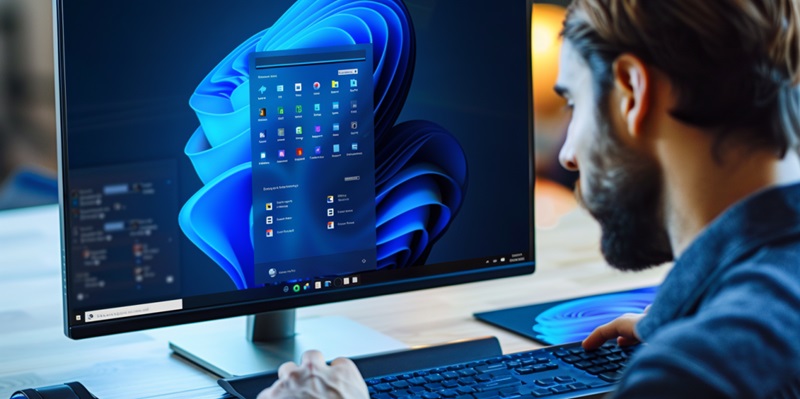
In a significant move aimed at improving user experience, Microsoft has decided to restore control over certain mouse settings in the Windows 11 Insider Preview Build 26257. Initially, the release of Windows 11 saw the removal of critical mouse settings, including the ability to reverse the scroll wheel direction and enhance pointer precision. These settings’ removal led to user inconvenience, as adjustments had to be made either through the registry or by employing third-party tools. With the latest Insider build, available to those signed up for the Canary channel, Microsoft addresses these concerns by reintroducing user-friendly customization options directly within the operating system.
User Feedback Drives Change
The reintroduction of these mouse settings is a clear indication of Microsoft’s willingness to listen to its user base and rectify previous oversights. The decision to bring back these features comes as part of a broader effort to enhance user experience by providing greater customization options and ease of use. Initially, the absence of these settings sparked discontent among users, who found the workaround solutions cumbersome and inconvenient. By incorporating this feedback, Microsoft acknowledges the importance of user control, particularly when it comes to everyday operational aspects like mouse behavior. Therefore, the return of these settings can be seen as a positive step toward improving user satisfaction and loyalty.
User feedback has increasingly influenced the tech industry, and Microsoft’s latest decision is a testament to how powerful collective user voices can be. The company initially faced criticism for its decision to remove these essential settings. However, the proactive approach to reinstate them demonstrates not only a commitment to user needs but also a willingness to continuously enhance the operating system. This moment can be seen as part of a broader trend where major software companies are increasingly making adjustments based on user preference and experience, striving to offer more intuitive and customizable systems.
Enhanced Precision and Customization
With the reintroduction of toggling enhanced pointer precision and changing the mouse’s scrolling direction, Microsoft aims to make Windows 11 a more user-friendly OS. Enhanced pointer precision is particularly important for professionals who require a high degree of accuracy, such as graphic designers and gamers. This feature, which smoothens the mouse’s movements, offers a more refined control mechanism, making tasks that require minute precision much easier. Conversely, the ability to reverse the scroll wheel direction caters to user habits and preferences, ensuring that Windows 11 remains adaptable to individual user needs.
The addition of these features can be seen as an attempt to provide a more personalized experience within Windows 11. Allowing users to modify these settings without needing additional software or complicated registry tweaks simplifies the process and saves time. This move not only caters to tech-savvy users but also extends to those less familiar with complex customization procedures. By making these settings easily accessible, Microsoft is ensuring that all users, regardless of their technical expertise, can benefit from a more adaptable and user-friendly interface, bolstering overall satisfaction with the operating system.
Commitment to Continuous Improvement
In a notable effort to enhance user experience, Microsoft has opted to reinstate control over various mouse settings in the Windows 11 Insider Preview Build 26257. The initial launch of Windows 11 removed essential mouse settings, such as reversing the scroll wheel direction and improving pointer precision, causing inconvenience for users who had to tweak these settings through the registry or use third-party tools. Acknowledging these concerns, the latest Insider build, accessible to those enrolled in the Canary channel, reintroduces these user-friendly customization options directly within the operating system. This move underscores Microsoft’s commitment to listening to user feedback and making adjustments that prioritize user preferences and ease of use. By restoring these settings, Microsoft aims to provide a more streamlined and satisfying experience for its Windows 11 users, ensuring that the operating system remains intuitive and adaptable to individual needs. This change is expected to alleviate previous frustrations, making everyday tasks more seamless and efficient for users across the board.